
Shop for a portable cooler online and you quickly run into a confusing truth: the word cooler covers wildly different machines that work in completely different ways and deliver completely different results. Some genuinely chill the air. Some only move it around. Some add moisture, some remove it, and some do something else entirely. Two products can sit side by side at a similar price while one is a real air conditioner in miniature and the other is a glorified fan. If you do not know which is which, it is easy to spend money on the wrong kind and come away convinced that portable cooling does not work. It does. You just have to know what you are buying.
This guide breaks down the main types in plain language, so you can read past the marketing and tell what a device will actually do before it arrives at your door.
Type One: The Fan That Calls Itself a Cooler
At the simplest and cheapest end sit devices that are, in honest terms, just fans. They move air, and moving air can feel cooler against your skin because it speeds up the evaporation of sweat. On a mild day, that is genuinely pleasant and often enough. But it is important to be clear about what is happening: a fan does not lower the temperature of the air at all. It just pushes the existing air around. On a truly hot day, blowing warm air at warm skin stops helping, which is the moment people discover their cooler was never a cooler in the first place.
Type Two: Evaporative Coolers
A step up are evaporative coolers, sometimes called swamp coolers. These pass air over water, and as the water evaporates it pulls a little heat out of the air, so the air does leave slightly cooler. For very little power, that can make a real difference, and the better personal sized versions are easy to live with. The catch is humidity. Evaporative cooling depends on dry air having room to absorb moisture, so in a dry climate it works nicely, while in a humid one the effect fades and the device adds dampness to an already muggy room. Whether an evaporative cooler is brilliant or useless depends almost entirely on where you live.
Type Three: Real Refrigerant Style Cooling
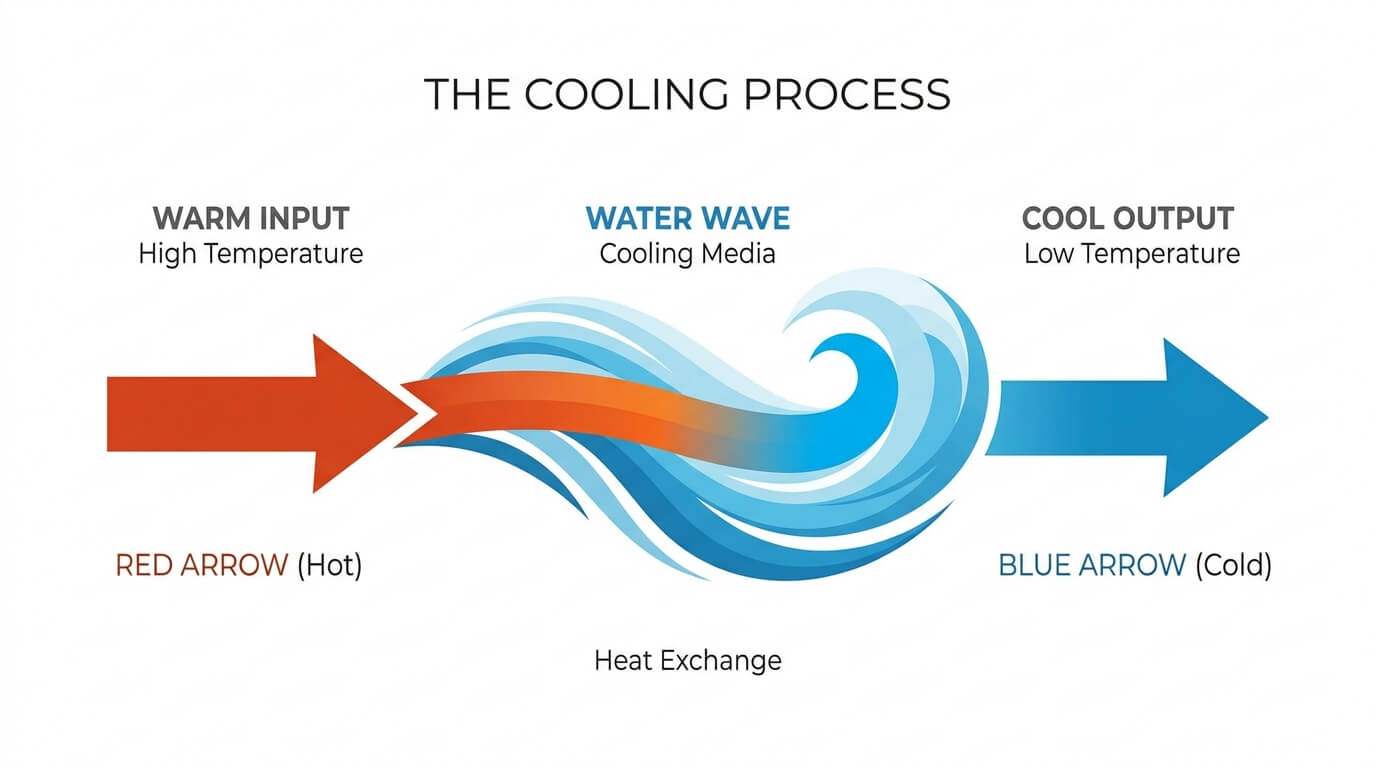
The category that actually lowers air temperature regardless of humidity uses a coil based heat exchange, the same principle that runs your refrigerator and your home air conditioner. Warm air is drawn across a cold coil, gives up its heat to the coil, and leaves genuinely colder than it arrived. This is true cooling rather than air movement or evaporation, and it works in humid and dry climates alike. In a compact, portable form, this is the technology that delivers the closest thing to air conditioning that a small device can provide, conditioning the zone you occupy rather than just stirring the air around it.
Devices in this class are the ones worth taking seriously when you genuinely need to bring a temperature down rather than just feel a breeze. The trade is that they are doing real work, so they belong on the zone you occupy rather than being expected to cool an entire large room on their own.
The Heating Side: Ceramic PTC Elements
Many portable comfort devices now heat as well as cool, and the heating usually relies on a ceramic element with a useful property. As the ceramic warms, its electrical resistance rises, which naturally caps how hot it can get. In effect the material regulates its own temperature, climbing to a working heat and then holding rather than running away. That self limiting behavior is why this style of heating is regarded as one of the safer options for a device you might run while working or sleeping, and it is what lets a single unit add a winter function without the runaway risk of an old exposed coil heater.
How to Tell What You Are Actually Buying
Armed with those categories, you can cut through the marketing with a few direct questions before you spend.
- Does it cool the air or just move it: If the description only promises airflow, it is a fan. If it promises to lower the temperature through a coil or refrigerant style process, it is doing real cooling.
- Does it depend on the climate: An evaporative cooler will struggle in humidity, while a coil based unit works regardless. Match the technology to where you live.
- Does it heat too, and how: If it claims to heat, look for a ceramic or PTC element, which self regulates its temperature, rather than a vague promise of warmth.
- What size space is it honestly for: A personal device cools the zone you occupy, not a whole house. Be wary of any small unit that claims to condition an entire large room evenly.
If you want to see how these principles come together in a single product, this review of the EpiCooler and its coil based cooling is a useful worked example, showing how a real refrigerant style cooling system and a ceramic heating element fit into one portable unit and what that combination does and does not deliver.
Beyond the Cooling: Noise, Power, and Upkeep
Once you know which cooling technology a device uses, three practical questions decide how pleasant it actually is to live with. The first is noise. Anything with a fan makes some sound, but units built for bedrooms and offices are engineered to run quietly, and a quiet mode is worth looking for if the device will share a room where you sleep or concentrate. The second is power. A personal device conditioning a single zone should draw modest power rather than the heavy load of a whole home system, which is much of the point of going personal in the first place.
The third is upkeep. An evaporative cooler has water to refill and a pad to keep clean. A coil based unit may handle moisture internally, leaving little more than the occasional wipe and a clear vent to worry about. A ceramic heater adds almost nothing to the maintenance burden. Knowing the upkeep a given type demands before you buy means no unwelcome surprises about tanks to empty or filters to replace once the device is on your desk.
A Simple Way to Decide
Pull all of it together and the choice comes down to a short path. If you only want a breeze on mild days and live somewhere forgiving, a fan is cheap and fine. If your climate is reliably dry, an evaporative cooler offers real cooling for little power. If you live somewhere humid, or you simply want dependable cooling that does not care about the weather, a coil based unit is the one that genuinely lowers the temperature. And if you want a single device to carry you through both summer and winter, look for that coil based cooling paired with a self regulating ceramic heater in one unit.
Walk that path with the four questions from the last section in hand, and the confusing aisle resolves into a clear decision. You are no longer guessing from a product name; you are matching a known technology to your climate, your room, and the way you intend to use it, which is exactly how you avoid buying the wrong thing.
Conclusion
The portable cooling aisle is confusing on purpose, because vague language lets very different devices wear the same name. But the underlying technologies are not complicated once they are laid out plainly. A fan moves air, an evaporative cooler trades on dry climates, a coil based unit performs real cooling anywhere, and a ceramic element adds safe, self regulating heat. Know which of those you are looking at, ask the four questions above, and you will never again mistake a glorified fan for an air conditioner or buy the wrong technology for your climate. The devices work. The only trick is matching the right kind to the job in front of you.