
Overview
Whether it’s a leisurely day at the park, a family camping trip, or a weekend road trip, coolers are necessary to keep food and beverages cold during outdoor activities. Selecting the appropriate cooler might mean the difference between having a cold, fresh lunch and having to deal with damaged food and melted ice. Picnic coolers and camping coolers are two of the most popular varieties; each is made to suit particular requirements and lifestyles.
A picnic cooler is lightweight, small, and intended for quick excursions. When mobility and convenience are the most important factors, it’s ideal for day getaways, park visits, or beach outings. With handles or shoulder straps, these coolers are convenient to carry and can usually accommodate one or a few people’s worth of food and drink. Instead of focusing on long-term ice retention, their design prioritizes easy access and transportation.
A camping cooler, on the other hand, is designed for long-lasting performance, capacity, and durability. Camping coolers are perfect for multi-day outdoor adventures, tailgating, and family camping trips since they have a larger storage area and thicker insulation that keeps food cold and ice frozen for several days. Even though they are larger and thicker, several models have transportation-related features like wheels or reinforced handles.
Selecting the ideal cooler for your trip requires an understanding of the distinctions between picnic and camping coolers. This article will help you choose the cooler that best suits your needs by going over the advantages, disadvantages, and useful applications of each type. You may choose a cooler that guarantees food stays fresh, drinks stay cold, and your outdoor experience stays pleasurable and stress-free by taking into account aspects like portability, storage capacity, and ice retention.
Understanding Picnic Coolers
A picnic cooler’s portability and ease of use make it perfect for quick excursions where accessibility and minimal weight are crucial. Usually measuring between 6 and 20 quarts, these coolers are tiny enough to hold drinks, snacks, or light meals for one or a few people. They are ideal for informal day outings because of their small size, which makes them easy to put in car trunks, bike baskets, or even beneath picnic tables.
Lightweight materials and basic insulation are frequently used in the construction of picnic coolers. When packed correctly, they can effectively maintain a cold temperature for several hours, even though they might not be able to keep ice frozen for several days. Many types emphasize mobility and convenience of use over heavy-duty insulation by incorporating handles, shoulder straps, or detachable lids.
These coolers are frequently utilized for backyard get-togethers, beach excursions, park picnics, and quick walks. They are useful for transporting modest loads of drinks or perishable food without the inconvenience of a big, heavy cooler because of their reduced footprint. Picnic coolers are also accessible for casual use because they are typically inexpensive, simple to clean, and need little preparation.
Picnic coolers are very practical, but they have certain drawbacks. They are less suited for lengthy journeys or particularly hot weather because of their shorter ice retention, which usually lasts only a few hours. Additionally, they don’t have enough storage room to hold a lot of food or drink for several people.
Picnic coolers are the best option for quick, informal excursions because of their exceptional portability, affordability, and ease of use. When you don’t require the longer performance of a larger camping cooler, they provide a useful way to keep necessities cool.
Picnic Cooler: Pros and Cons
A picnic cooler offers a small and portable solution to keep food and beverages cold, making it ideal for informal get-togethers. Despite being smaller than camping coolers, its practicality and simplicity of use make it a popular option for beach days, park excursions, and day travels. Determining whether it meets your particular needs requires an understanding of the benefits and drawbacks.
Pros of a Picnic Cooler
- Portable and Lightweight: Because of their compact size and ergonomic handles or shoulder straps, picnic coolers are portable. They are easy to put into a car trunk, take on treks, and go on bike rides.
- Convenient for Short Trips: For excursions lasting a few hours, these coolers are perfect. They don’t need complicated packaging or a lot of ice to keep snacks, drinks, or small meals cold.
- Accessible and reasonably priced: In general, picnic coolers are inexpensive and widely accessible. They are easy to maintain, clean, and store when not in use due to their straightforward design.
- Space-Saving Design: Picnic coolers are useful for urban living or short travels because of their modest size, which allows them to fit in limited storage places at home or in cars.
Cons of a Picnic Cooler
- Limited Ice Retention: These coolers are less appropriate for full-day excursions in hot weather because the ice may only last a few hours due to short-term insulation.
- Limited Storage Capacity: While a picnic cooler can accommodate one or a few people’s worth of food and beverages, it is impractical for large groups or families.
- Less Durable: Compared to camping coolers, many types may wear out more quickly because they are lightweight and not made for harsh treatment.
In conclusion, picnic coolers provide a straightforward option for quick excursions and are great for mobility and ease. They are better suited for small parties, couples, or solo excursions than long outdoor excursions because to their capacity and ice retention constraints.
Understanding Camping Coolers
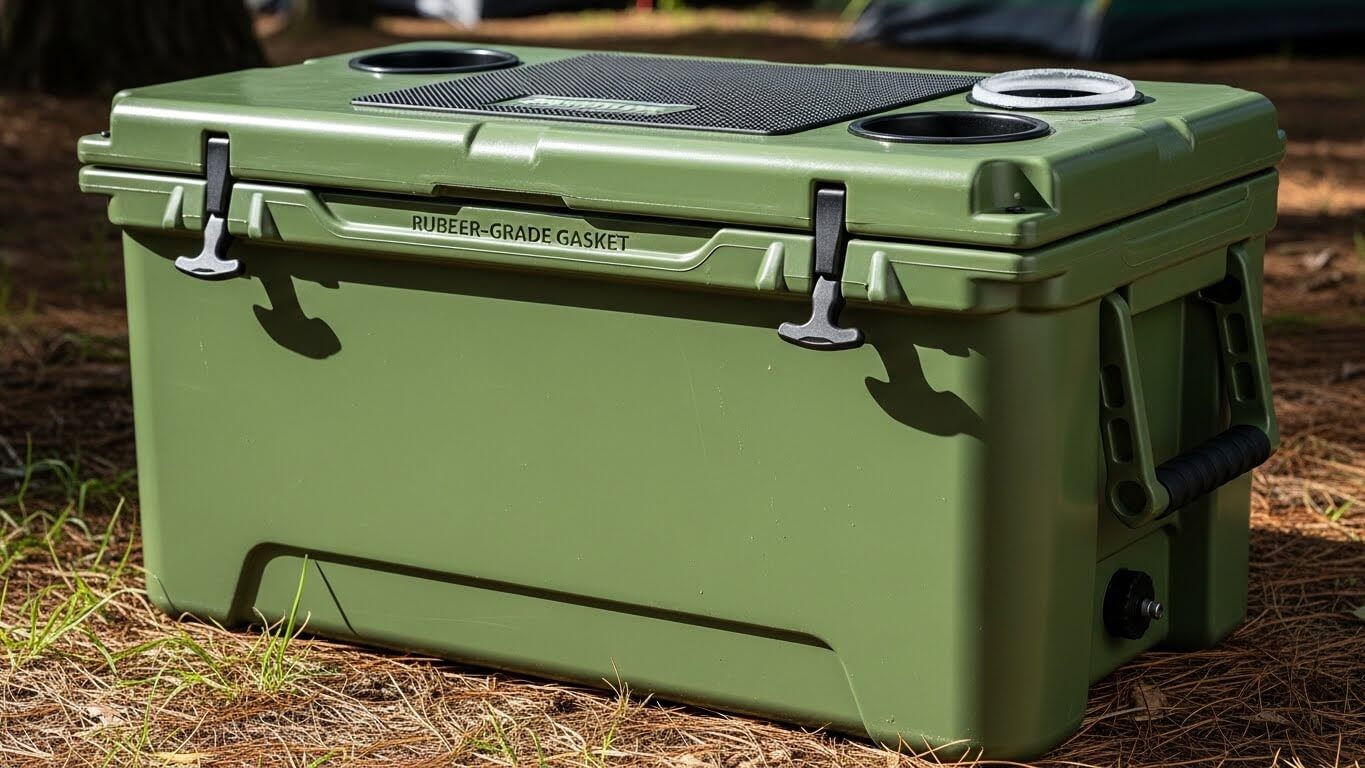
A camping cooler is perfect for group expeditions and multi-day excursions because of its long-lasting ice retention, big storage capacity, and durability. Camping coolers, in contrast to picnic coolers, are designed to endure harsh outdoor environments while maintaining the coldness of food and beverages for prolonged periods of time.
With a capacity of 30 to 100 quarts or more, camping coolers can accommodate several people’s meals, drinks, and ice packs. Their greater size makes them suitable for long road trips, tailgating parties, family vacations, and group camping excursions. When used outside, many camping coolers are resistant to drops, bumps, and rough handling because of their reinforced or rotomolded design.
A crucial component of camping cooler performance is insulation. Even in hot weather, the ice in these coolers can last for several days since they frequently have thicker walls and high-density insulation. By reducing the amount of warm air that enters, heavy-duty seals and secure lids further improve ice retention. They are dependable for lengthy excursions without electricity or refrigeration because of their long-lasting cooling.
Another factor to take into account is portability. Many camping types have built-in wheels, telescoping handles, or strong side grips to make transportation over uneven terrain easier, even though they are heavier and bulkier than picnic coolers. Even fully loaded coolers may be transported with relative ease thanks to this design.
Camping coolers offer reliable performance and storage space, making them ideal for weekend outings, hunting trips, or multi-day family camping. However, they may not be as useful for brief excursions or circumstances with limited room due to their size and weight.
In summary, camping coolers provide durability, excellent insulation, and plenty of storage, making them perfect for longer journeys and larger parties. They are an essential tool for families organizing multi-day excursions or serious outdoor enthusiasts since they offer dependable cooling performance for extended periods of time.
Camping Cooler: Pros and Cons
A camping cooler’s enormous capacity, long-lasting ice retention, and durability make it ideal for prolonged outdoor use. Families, groups, and anyone organizing multi-day excursions will find it perfect. Determining whether it is the best option for your travels requires an understanding of its benefits and drawbacks.
Pros of a Camping Cooler
- Large Storage Capacity: With sizes ranging from 30 to more than 100 quarts, camping coolers may accommodate several people’s meals, drinks, and ice packs. They are therefore ideal for tailgating gatherings, group outings, and family camping trips.
- Better Retention of Ice: Camping coolers keep temperatures frigid for several days thanks to its larger walls, high-density insulation, and tight-fitting lid seals. This guarantees that, even in hot weather, food stays fresh and beverages stay cool.
- Sturdy and Robust Design: These coolers are made to resist drops, bumps, and severe handling. They are dependable for extended outdoor use since they have rotomolded construction, heavy-duty hinges, and reinforced lids.
- Versatile: While some camping coolers may include extra features like seating or drain plugs for simple cleaning, others may have built-in wheels, telescoping handles, or strong side grips for easier transportation.
Cons of a Camping Cooler
- Heavy: A camping cooler’s drawbacks include being heavy and less portable. Fully stocked camping coolers can be challenging to transport due to their larger size and robust design; two people or built-in wheels are sometimes needed.
- Takes Up More Storage Space: Camping coolers are less practical for short journeys or confined settings because they take up a lot of space in cars or storage areas.
- Increased Cost: Camping coolers are more costly than picnic coolers due to their capacity, insulation, and durability.
In conclusion, camping coolers are perfect for longer journeys and larger parties because of their exceptional capacity, insulation, and durability. Weight, size, and expense are trade-offs that can prevent them from being used for quick, informal excursions.
Key Comparison Factors: Picnic vs. Camping Cooler
Which option best meets your needs when choosing between a picnic cooler and a camping cooler depends on a number of important aspects. The most crucial factors are cost, durability, ice retention, mobility, and storage capacity.
The obvious benefit of picnic coolers is their portability. They are simple to carry by hand, load into a car, or take on quick travels because to their small size and lightweight design. Conversely, because of their larger size and thicker insulation, camping coolers are bulkier and heavier. To counteract this, several models have wheels or reinforced handles, although transporting them still takes extra work, particularly when completely filled.
One key differentiator is storage capacity. With adequate drinks and snacks for one or a few individuals, picnic coolers are perfect for small parties or solo excursions. For families or parties, camping coolers provide a lot more capacity and may hold several meals, drinks, and ice packs. A larger camping cooler is required if you need to keep food cold for a few days.
The two varieties differ in terms of ice retention as well. For brief excursions, picnic coolers offer several hours of cooling. Even in warm weather, camping coolers’ prolonged ice retention capabilities frequently keep their contents cold for many days.
Camping coolers are more durable because they include heavy-duty hinges, rotomolded construction, and reinforced lids to resist harsh outdoor use. Picnic coolers are more appropriate for casual use because they are lighter and less durable. Another consideration is cost. Camping coolers are more expensive due to their larger capacity and durable design, but picnic coolers are typically less expensive.
In conclusion, camping coolers are superior in terms of capacity, durability, and long-lasting ice retention, whereas picnic coolers are superior in terms of portability and convenience. The sort of journey, the number of passengers, and the length of time you require products to keep cold will all influence your decision.
Choosing the Right Cooler for You
Whether you’re planning an extensive outdoor expedition or a leisurely day at the park, choosing the right cooler comes down to matching your equipment to your outing. Start by posing three important questions to yourself: For how many people am I packing? What is the duration of the trip? How am I going to move the cooler?
A compact, lightweight cooler is probably all you need if you’re going out alone or for a quick afternoon picnic. These types are excellent at being portable; they are lightweight, compact, and ideal for a few snacks or drinks. On the other hand, you’ll want a bigger model with more capacity and superior insulation if you’re travelling in a group or going on a multi-day camping trip. Larger coolers often have stronger walls and can hold more ice, which helps keep the temperature frigid for several days.
Storage and transportation should also be considered. Even if a cooler has the ideal capacity, it could become more of a pain than a benefit if it is too heavy to transport or takes up half of your automobile. Look for versions with integrated features like wheels or telescoping handles to facilitate movement on longer excursions. A compact design and tight seal can be more beneficial for smaller missions.
The ideal cooler isn’t just the biggest you can purchase; it should also suit the size of your group, the length of your trip, and the mode of transportation. Better ice retention, more seamless transportation, and fewer compromises on your excursion are all possible with a well-matched cooler.
Conclusion
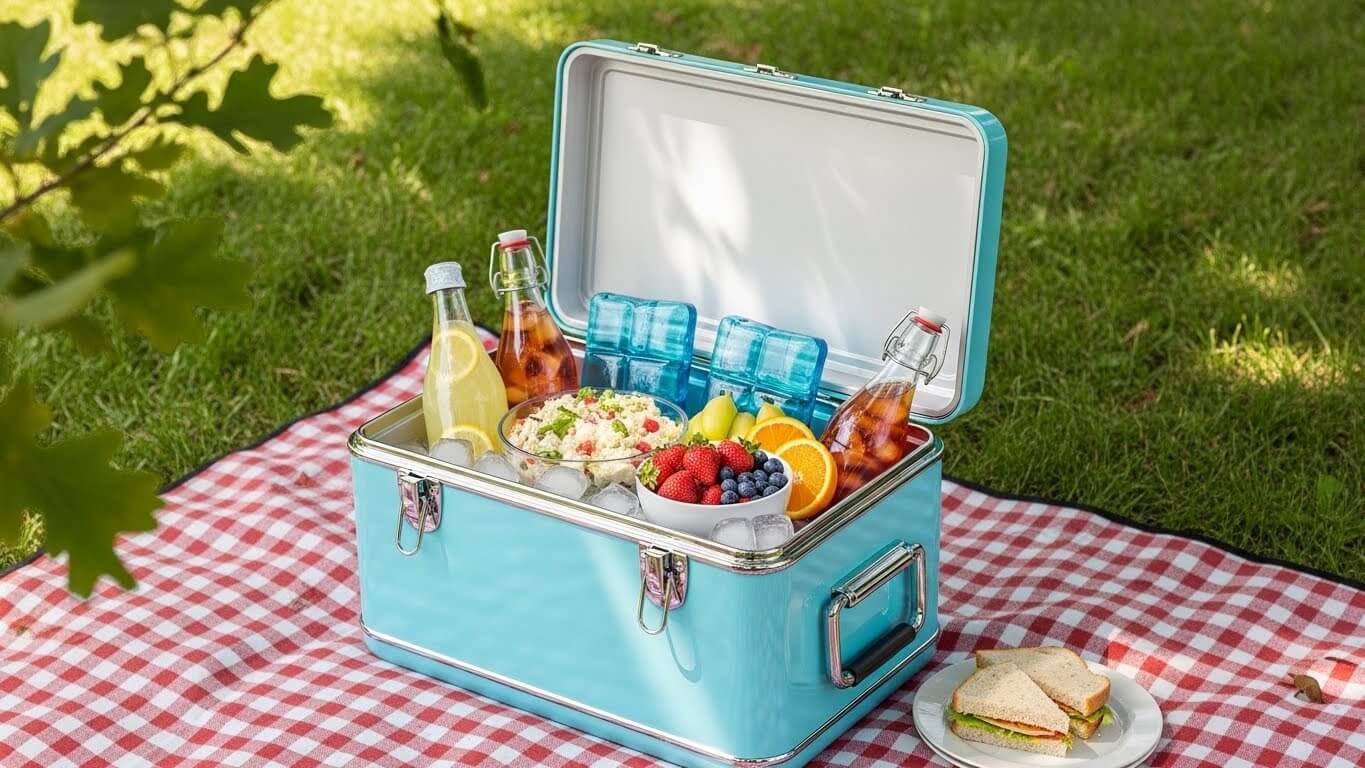
Depending on the kind of trip, the size of the company, and the amount of time you need to keep food and beverages cold, you can choose between a picnic cooler and a camping cooler. Every cooler has benefits suited to particular outdoor activities.
A picnic cooler is perfect for quick trips, solitary excursions, or small parties because it is lightweight, tiny, and portable. Convenient and reasonably priced, it’s ideal for backyard get-togethers, beach excursions, and park picnics. Its smaller capacity and shorter ice retention are its primary drawbacks, making it less appropriate for bigger groups or multi-day excursions.
In contrast, a camping cooler is designed for long-term ice retention, huge storage, and durability. It is perfect for camping excursions, tailgating, or long outdoor adventures because it can accommodate several meals and beverages for families or groups over several days. Its dependability, durable design, and long-lasting performance make up for its heavier weight and higher price.
The best option ultimately relies on your particular requirements. A picnic cooler is portable and simple to use for quick, informal excursions. A camping cooler offers better capacity and insulation for longer trips with more people. A stress-free outdoor experience, chilled food, and refreshing drinks are guaranteed when you match your cooler to your trip.