
A wine cooler is a protector of your wine collection, not merely a piece of equipment. It guarantees that every glass poured preserves the quality and flavour that the winemaker intended by maintaining bottles at the proper temperature and humidity. To continue functioning effectively, a wine cooler needs to be cleaned and maintained properly, just like any other equipment. Ignoring these chores can result in problems like mold development, temperature swings, offensive smells, and even long-term harm to your investment.
Preserving the quality of your wines and safeguarding the equipment itself are two benefits of learning how to clean and maintain a wine cooler. A well-kept cooler keeps corks from drying out or warping, helps your bottles age gracefully, and defends against unforeseen malfunctions that could jeopardize your collection. Establishing a regimen for upkeep is crucial, regardless of whether you are a collector with a huge collection or a casual wine fan with a few bottles.
A wine cooler doesn’t have to be difficult to clean. Dust, debris, and bacteria can be eliminated without damaging the device or the wine within by following the proper procedures and using safe cleaning supplies. Every task, from cleaning the inside walls and shelves to inspecting the coils, seals, and temperature precision, adds to the cooler’s overall effectiveness. Actually, you can prolong the life of your wine refrigerator and keep it functioning well for years with just a few minutes of maintenance each month.
Everything you need to know about maintaining and cleaning a wine cooler will be covered in this article. You’ll discover the importance of maintenance, the precautions to take before cleaning, and a thorough, step-by-step procedure to maintain the best possible condition of your unit. We’ll also go over how to clean condenser coils, maintain hinges and seals, handle defrosting (if necessary), and keep an eye on humidity and temperature for ideal storage conditions.
By the end, you’ll have a well-defined, easy-to-follow, and very successful maintenance schedule. You can safeguard your wine collection and your appliance with a little work, making sure that each bottle is kept in ideal condition until it is opened.
Why Cleaning and Maintenance Matter
Although a wine cooler is made to offer the best conditions for keeping wine, its functionality may deteriorate with time if it is not cleaned and maintained properly. The cooler’s effectiveness and the state of your wine might be negatively impacted by the buildup of dust, filth, and mold within and outside of it. Your bottles are at risk since the cooler finds it difficult to maintain constant temperatures when ventilation is obstructed, if the interior isn’t cleaned.
Stability has a major impact on wine quality. Variations in humidity and temperature, even little ones, can affect the aging process, change the flavor, or harm corks. The taste of your wine may be harmed by mould, germs, or aromas that leak into the corks due to an improperly maintained wine cooler. Frequent cleaning keeps these problems at bay and guarantees that the atmosphere inside your cooler stays clean and fresh.
The longevity of the appliance is also significantly influenced by maintenance. To avoid wear and tear, parts, including the hinges, door seals, and condenser coils require maintenance. Coils that are dirty make the compressor work harder, which uses more energy and increases the chance of malfunctions. Air leaks caused by damaged seals result in uneven cooling and increased electricity costs. Early detection of these issues through routine maintenance prevents expensive repairs or replacements and ultimately saves money.
The cooler is an investment in safeguarding the collection, not just a place to store wine. Both the equipment and the wines within are protected by regular cleaning and upkeep. Each bottle stays in top condition thanks to the quiet, effective, and dependable operation of a well-maintained cooler. To put it simply, picking the correct wines to keep in a wine cooler is just as crucial as keeping it maintained. Regular maintenance ensures your collection will function better, use less energy, and be protected for a long time.
Safety Measures to Take Before Cleaning
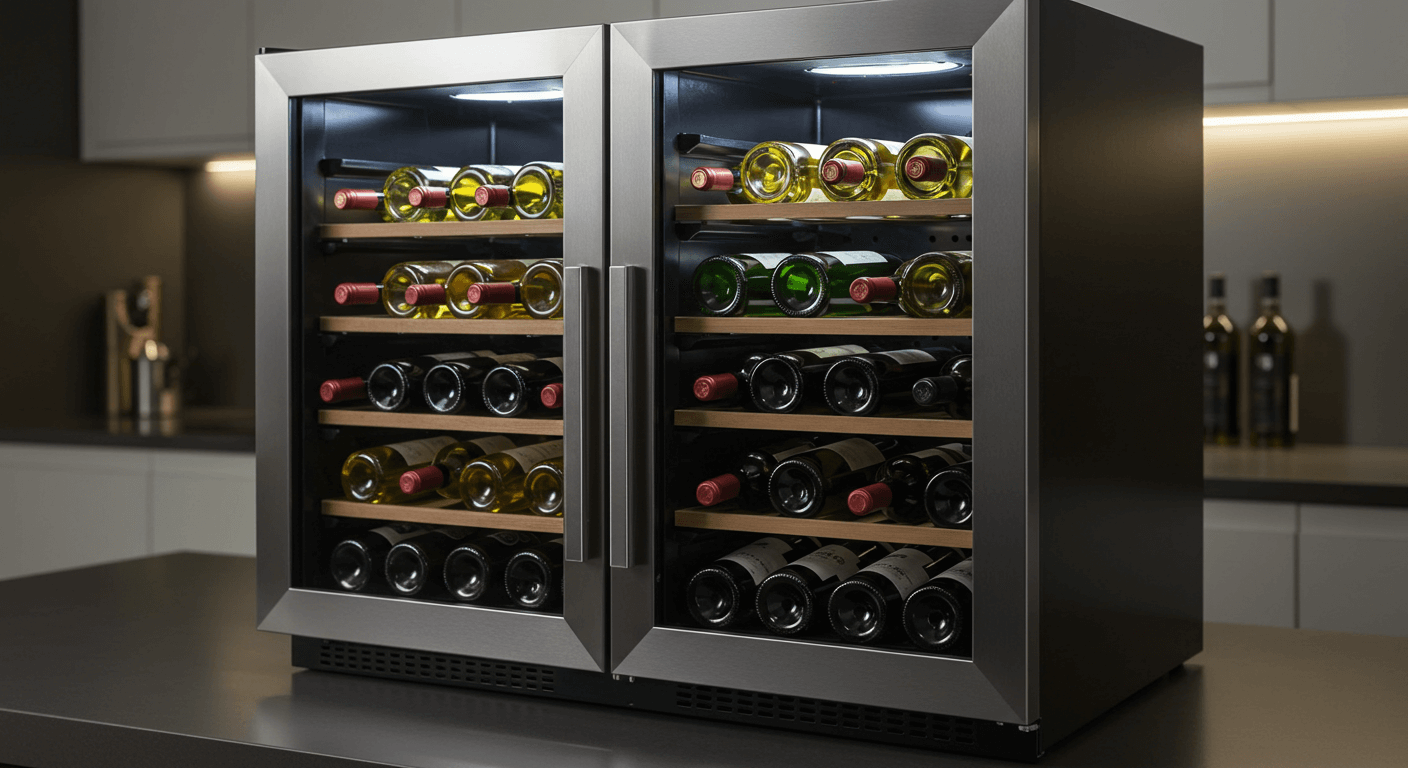
Taking the proper safety measures before cleaning a wine cooler guarantees the protection of your wine collection as well as the equipment. If you clean without planning, you run the danger of electrical hazards, component damage, or even bottle spoilage. A few easy actions lay the groundwork for a safe and efficient cleaning regimen.
Unplugging the device is always the first step. Cleaning while the power is on increases the risk of shock or short-circuiting because wine coolers use fans and electrical components. Safe handling throughout the procedure is ensured by unplugging the appliance from its power supply.
After that, gently take every bottle out of the cooler. To ensure consistent storage conditions while the cleaning process is underway, keep them in a cold, dark spot. For short-term storage, a robust box or makeshift cooler with an ice pack works nicely. By taking this precaution, the wine is shielded from unintentional spills, breakage, and temperature changes.
Choose gentle, non-toxic cleaning supplies wherever possible. Strong-smelling detergents, harsh chemicals, or abrasive cleaners can leave aromas behind and harm interior surfaces, which can then spread to corks and alter the flavor of your wine. For safe surface sanitization, a solution of warm water and vinegar or mild dish soap is frequently adequate.
Using caution when handling shelves and racks is another important safety measure. Since many are detachable, it is best to wash them individually to prevent bending or scratches. To avoid moisture accumulation inside the cooler, always make sure all parts are totally dry before reinstalling them.
Lastly, operate in an area with enough ventilation. Even mild disinfectants and cleaners can generate smells that you don’t want to stay around your wine. Sufficient ventilation contributes to the process’s safety and efficiency. By using these safety measures, you may guarantee a smooth cleaning process while safeguarding your appliance, collection, and personal safety.
A Comprehensive Guide to Wine Cooler Cleaning
Although cleaning a wine cooler is a simple procedure, doing it correctly guarantees complete results without causing any damage to the device. You can preserve your wine collection while regaining freshness and effectiveness with a little attention.
Step 1: Unplug the cooler and empty it.
Always turn off the electricity before beginning. All wine bottles should be taken out and kept in a cold, safe area until cleaning is finished.
Step 2: Take down the racks and shelves
Remove all racks, trays, and detachable shelves. Use mild dish soap and warm water to wash them. Before reinstalling, give them a good rinse and let them dry fully.
Step 3: Clean the Interior Walls
Wipe the inside with a mixture of warm water and vinegar or mild soap using a sponge or soft cloth. Steer clear of scrubbers with abrasives that can scratch surfaces. Be mindful of nooks and crannies where mold and dust can grow.
Step 4: Wipe the Door Seal
For the door to remain airtight, the rubber gasket surrounding it is essential. To get rid of residue, dust, and grime, gently wipe it off with a moist cloth. Look for wear or cracks that could need to be replaced.
Step 5: Clean the Exterior Surfaces
Using a moist towel, clean the cooler’s outside. To get rid of smudges and keep the shine on stainless steel models, use a cleaner made especially for stainless steel.
Step 6: Reassemble and Restore Power
Put shelves and racks back in place after everything has dried thoroughly. Before putting wine bottles back inside, plug the unit back in and let it reach the ideal storage temperature. By following this detailed procedure, you can keep your wine cooler clean, effective, and prepared to maintain the best possible condition for your collection.
Tips for Routine Maintenance
It takes more than the occasional thorough cleaning to keep a wine cooler in optimal condition. Frequent maintenance prolongs the appliance’s life, guarantees continuous functioning, and avoids expensive repairs. You can maintain the effectiveness, cleanliness, and dependability of your wine cooler all year long by implementing a few easy routines.
1. Monthly Quick Cleaning
Dirt, dust, and odors can be avoided with a little regular cleaning. Using a moist cloth, thoroughly clean the inner surfaces, being especially careful around the door seal and any crevices where debris may gather. Look for spills on shelves and racks, particularly if bottles have been improperly stored or recently opened. Between thorough cleanings, this little action keeps the cooler fresh.
2. Seasonal Deep Cleaning
Every three to four months, schedule a more comprehensive cleaning. To preserve energy efficiency, this should entail clearing out shelves and racks, disinfecting the inside, and cleaning the condenser coils. By following a seasonal pattern, you can keep your cooler operating at its best and prevent unforeseen problems.
3. Monitor Temperature and Humidity
When storing wine, consistency is essential. To make sure the cooler maintains the proper temperature and humidity levels, use a thermometer or hygrometer. Examine the ventilation system, door seal, and settings if you observe variations. Early detection helps to avoid long-term harm to your wine and the cooler.
4. Inspect Door Seals and Hinges
Wine preservation requires airtight sealing. Regularly check gaskets for wear, debris, or cracks that could jeopardize the seal. To keep them flexible, wash them with water and light soap. In order to guarantee gap-free, seamless closing, hinges should also be inspected.
5. Keep the Exterior Dust-Free
Dust-prone ventilation sections and condenser coils are located in the back of your wine cooler. To keep the compressor from being overworked, vacuum or clean these surfaces frequently. The cooling system’s lifespan is extended, and energy efficiency is guaranteed by adequate airflow.
6. Schedule Professional Servicing
Professional servicing once a year is advised, particularly for high-capacity or built-in versions, even if the majority of maintenance chores may be completed at home. Technicians are able to examine electrical components, check refrigerant levels, and make sure the system is operating at peak efficiency.
You can preserve your wine collection as well as your wine cooler by following these routine maintenance guidelines. You may enjoy your wines as they were intended to be with regular care, which ensures peak performance, energy savings, and peace of mind.
Conclusion
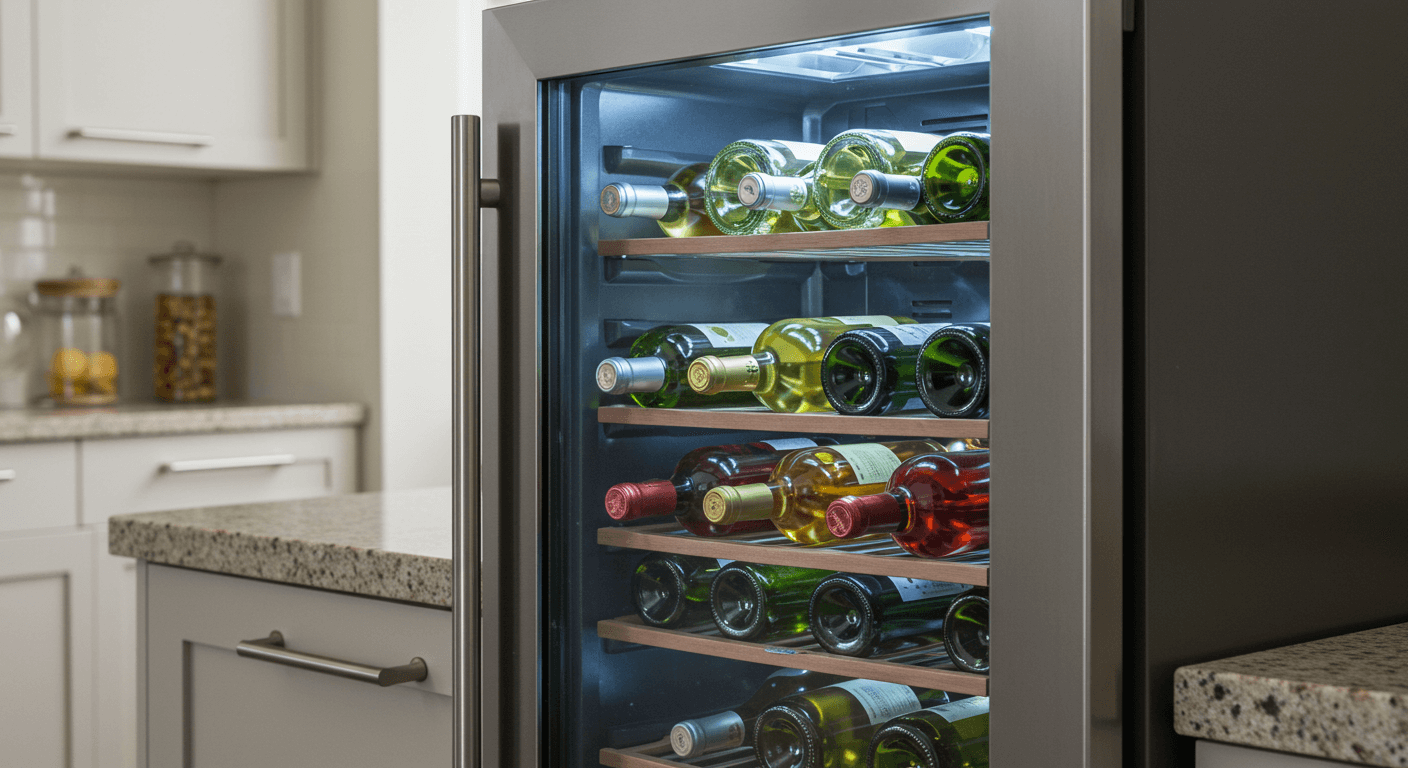
Your wine collection’s freshness and flavor are greatly enhanced by a wine cooler, and the best way to make sure it operates at its peak is to keep it clean. While maintenance chores like inspecting seals, cleaning coils, and keeping an eye on the temperature keep the unit operating efficiently, routine cleaning avoids mold, smells, and ice accumulation.
You can establish a program that safeguards your wine investment and the equipment by combining monthly quick cleanings with seasonal deep cleanings. Performance and energy consumption can be greatly improved by taking simple actions like cleaning the door seal, clearing the dust from the back vents, and monitoring the humidity levels. Safe and delicate techniques avoid needless harm while preserving adequate airflow for models that need to be defrosted.
For larger or built-in units, professional servicing could also be beneficial because specialists can examine deeper components and make sure everything is operating as it should. Maintaining your wine cooler ultimately comes down to protecting the wines you’ve picked and kept in storage, not just the device. Your cooler will continue to provide the ideal atmosphere with regular maintenance, ensuring that every bottle is ready to be enjoyed at its best.