
Keeping cool throughout the summer doesn’t require turning on the air conditioner or shelling out a fortune for expensive technology. Homemade cooling systems are a useful and affordable option for anyone wishing to combat the heat without going over budget. Simple cooling arrangements that can have a significant impact can be made with a few commonplace objects and a little imagination, particularly on hot afternoons when fans are insufficient.
Not only are homemade cooling devices reasonably priced, but they also work well. The fundamental ideas of air circulation, thermal insulation, and evaporative cooling are used in many do-it-yourself systems to naturally reduce temperatures. Making a portable cooling towel or turning a standard fan into a personal air chiller are two do-it-yourself projects that can provide instant comfort. Furthermore, the majority of these interesting hacks are ideal for both novice and experienced do-it-yourselfers because they call for few tools and no technological knowledge.
Particularly in homes without central air conditioning, the summer heat may quickly make indoor rooms uncomfortable. Because of this, more people are using inventive, do-it-yourself substitutes that truly do the trick. There are numerous ways to chill a room, a bed, or even your own body with items that are already sitting around the house, such as reflecting blackout curtains and ice-powered fan tricks. In addition to being more environmentally and energy-efficient than conventional cooling systems, these do-it-yourself alternatives will keep you cool while also lowering your electricity consumption.
This tutorial examines do-it-yourself cooling devices that have been tried and tested and shown to work. Practicality, usability, and performance are the main goals of any concept presented here. There is a do-it-yourself solution for any situation, whether you want to cool your bedroom at night, manufacture a portable neck cooler for walks, or erect a temporary swamp cooler for your office.
This post offers all you need if your objective is to cool down naturally, fast, and affordably. Discover how to construct clever, effective gadgets out of foil, terracotta pots, fans, ice packs, towels, and water bottles. These are genuine, do-it-yourself cooling tips, not tricks. With only a few simple tactics and some common home items, you can turn any hot area into a cool haven. Let’s explore the top DIY cooling solutions that will keep you cool throughout the summer.
Why Go Homemade?
Many resort to costly alternatives like air conditioners or powerful cooling fans when the summer heat hits. However, not everyone can afford those solutions or has the energy tolerance to do so. Homemade cooling gadgets can help with it. They provide a clever, reasonably priced, and unexpectedly efficient substitute for conventional cooling systems. Building DIY cooling gadgets that have a significant impact without using a lot of electricity or breaking the bank only requires a little work.
Saving money is the main justification for making things yourself. In addition to the continuous energy costs, store-bought cooling devices can cost hundreds of dollars. On the other hand, homemade cooling systems frequently use household objects such as ice packs, plastic bottles, used fans, towels, and containers. They are, therefore, a low-investment choice that nevertheless produces observable outcomes.
Energy efficiency is yet another significant advantage. The majority of do-it-yourself cooling options use little to no electricity, which makes them perfect for environmentally concerned homes or places with spotty power supplies. A small room can be made cooler without putting too much strain on the electrical grid by using a basic evaporative cooler or an ice-based fan system. Actually, DIY cooling tips are ideal for emergency packs, camping vacations, and off-grid living.
Another reason why individuals use do-it-yourself cooling techniques is customization. Different rooms require different solutions. A cooling mattress pad hack could be useful in a bedroom, and a desktop ice fan and reflective curtain could be useful in a stuffy kitchen. Devices manufactured at home can be tailored to certain environments, tastes, and even climates. They are a wise option for imaginative problem-solvers because of their adaptability.
Additionally, doing it yourself promotes sustainability and lessens reliance on ephemeral or transient cooling devices. You may make long-lasting cooling tools by reusing and repurposing household materials rather than purchasing another single-use gel pad or plastic fan. With minimal upkeep, many do-it-yourself systems may be disassembled, cleaned, and reassembled year after year.
Making clever, creative decisions that truly work is more important than simply saving money when selecting homemade cooling devices. These do-it-yourself techniques provide a useful approach to stay cool in hot weather, whether you’re cooling your body, your bed, or a space. What’s the best part? The design, the materials, and the final product are entirely within your control.
Homemade Cooling Devices That Actually Work
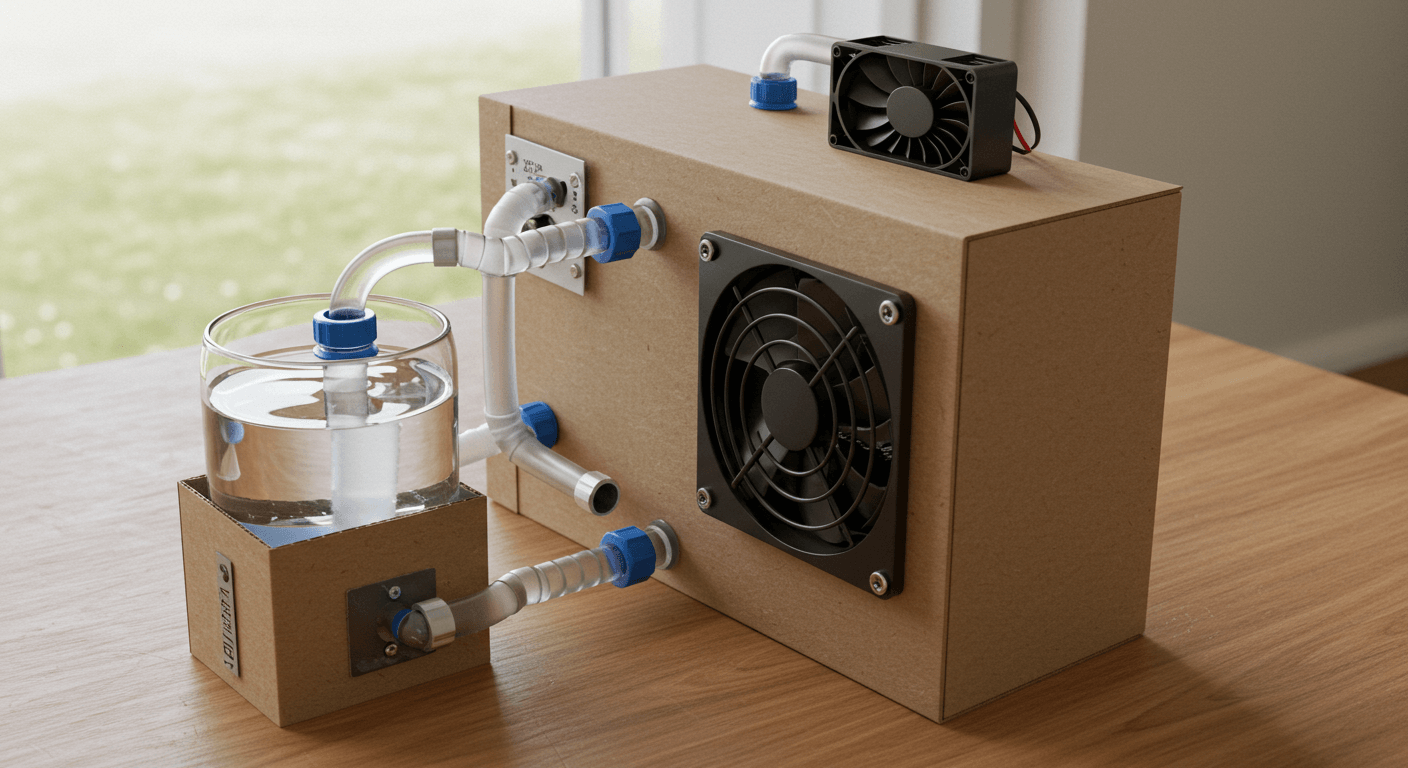
Staying cool becomes more than just a luxury when the temperature rises; it becomes essential. Cooling systems and air conditioners provide respite, but they are expensive and energy-intensive. For this reason, a lot of people are using effective homemade cooling systems. These do-it-yourself methods lower indoor and personal temperatures without breaking the bank or the electrical grid by using fundamental science and inexpensive materials. Here are a few of the best DIY cooling devices you can make with things you probably already own.
- DIY Evaporative Cooler (Swamp Cooler): Make Your Own Swamp Cooler or Evaporative Cooler: Evaporative coolers are low-tech, straightforward devices that chill air by evaporating water. To create one at home, set a shallow bowl of ice water behind the fan so that the air flows over the moisture, or place a damp towel or sponge in front of the fan. Instant respite is provided by the fan, which circulates cooler, more humid air into the space.
- Frozen Fan Hack: Frozen Fan Hack: Holding a bowl of ice or frozen water bottles in front of a standard fan is a traditional do-it-yourself cooling technique. The room’s temperature can be lowered by the cool wind produced by the fan blowing air over the ice. Use several frozen bottles and switch them around as they melt for maximum impact.
- Cooling Towels with Mint or Vinegar Water: A quick and convenient way to chill your body is with cooling towels infused with mint or vinegar water. Soak a bandana or cotton towel in cold water with a few drops of vinegar or peppermint oil. Until you’re ready to use it, keep it in the freezer. To cool important pulse spots, wrap around the wrists, forehead, or neck. On sweltering days, this technique offers immediate personal relief.
- Terracotta Pot Air Cooler: This device employs sand and two clay pots, one smaller than the other, and is modeled after traditional passive cooling methods. Put the smaller pot into the bigger one, fill the void with wet sand, and cover the top with a damp cloth. The water cools the air around it as it evaporates through the porous terracotta.
- Ice-Filled Air Duct Box: Make a miniature air chiller out of a regular cardboard box by filling it with ice. Make ventilation holes in the sides, put a fan on one end, and then fill the box with ice bottles or frozen gel packs. Air passes over the ice and exits the other end as cold air when the fan is turned on. Excellent for tiny places, workspaces, and bedrooms.
- DIY Neck Coolers: These DIY neck coolers are ideal for outdoor use and can be created by stuffing sponge strips or absorbent polymer beads inside a cloth tube. Tie around the neck, soak in water, and freeze if necessary. These are perfect for working outside in the sun, hiking, and gardening because they keep cool for hours.
- Reflective Window Covers: Make your own reflective window panels to block out the sun’s heat. Put aluminum foil on cardboard or foam board and insert it, shiny side out, into the window frame. By reflecting sunlight away from the space, this lessens heat accumulation and increases the efficiency of fans and other cooling devices.
- Cooling Mattress Pad Trick: It can be really uncomfortable to sleep in the heat. Use wet towels wrapped in plastic wrap, cold gel packs, or water-filled bottles to make a cooling mattress pad. To help you sleep cooler, place these under your bed sheet or close to your feet to absorb body heat.
- Salt and Ice Cooling Pack: To reduce the freezing point of ice and increase its retention time, mix salt with ice in a tight bag. For longer-lasting cooling, these packs can be submerged in buckets of water, bowls, or fans. beneficial for direct-contact packs for individual relief as well as do-it-yourself room coolers.
- Water Curtain That Is Frozen: A damp towel or sheet is hung in front of an open window or fan, and it is lightly sprayed or frozen as part of this easy DIY treatment. The cold fabric cools the air as it passes through it, distributing more comfortable temperatures throughout the space.
Tips for Better Results
To maximize the benefits of DIY cooling devices:
- Use them in areas that are partially covered or shadowed.
- Combine them with enough ventilation and airflow.
- Because evaporative cooling is less effective in high-humidity environments, avoid utilizing it there.
- Reusable items should be cleaned frequently to avoid the growth of bacteria or mold.
Simple physics and common sense are used to create homemade cooling devices. Temperature reduction is simple with the correct setup and doesn’t require costly equipment or exorbitant utility costs. These do-it-yourself cooling techniques provide easy ways to stay cool and cozy throughout the summer, whether you’re at home, outside, or preparing for emergencies.
Pro Tips for Maximizing DIY Cooling Results
Although homemade cooling systems can be surprisingly effective, they can perform even better with a few clever tips. Small changes have a significant impact on the amount of relief that evaporative coolers and ice-based fans offer. These expert suggestions help maintain appropriate indoor temperatures even during the hottest summer months and optimize do-it-yourself cooling outcomes.
- Enhance Airflow: Cooling units should always be placed in areas with good air circulation. Utilize fans to distribute cold air throughout the space from do-it-yourself setups. To promote cross-ventilation and dissipate stored heat, open windows in the morning and late at night.
- Pick the Correct Time of Day: When the weather cools down, do-it-yourself cooling is most effective. In order to avoid dealing with the extreme afternoon heat, run homemade coolers during cooler hours. Close your drapes or blinds in the middle of the day to avoid heat accumulation.
- Instead of using loose ice, use frozen bottles: Compared to loose ice, frozen water bottles keep colder longer and produce less mess. To maintain the effectiveness of your cooling system, rotate them throughout the day.
- Cut Down on Indoor Heat Sources: Switch to LED lighting, unplug any unused electronics, and stay away from stovetops and ovens throughout the day. Homemade cooling gadgets can function more efficiently when there is less heat indoors.
- Increase Evaporation by Using Fans: Fans are more effective when used in conjunction with damp cloth setups and evaporative coolers. Evaporation is accelerated by air movement, which swiftly and naturally cools the air.
- Maintain Clean Materials: After each usage, make sure that towels, sponges, or reusable containers are dry and clean. This stops bacteria, mold, and other smells from growing over time.
When used properly, do-it-yourself cooling equipment can provide significant relief. Without raising your energy costs, these easy tips increase efficiency, prolong cooling times, and help make do-it-yourself techniques even more successful.
Tips for Safety and Upkeep
Although homemade cooling devices are economical and effective, they must be properly maintained and kept safe to prevent accidents or health problems. By taking simple steps, you can make sure that every gadget functions properly throughout the summer, whether you’re utilizing fans, ice, damp materials, or do-it-yourself air chillers.
- Make Responsible Use of Water: A lot of do-it-yourself coolers use moist materials, ice, or water. Be cautious when placing these close to power wires or gadgets. Do not place damp towels or bowls of ice directly on surfaces that are susceptible to moisture damage. To capture condensation and stop leaks, use trays or waterproof containers.
- Keep an eye out for mold and mildew: If damp towels, sponges, and containers are not cleaned frequently, they can develop into mold breeding grounds. Wash and completely dry any cloth or reusable item after each usage. To avoid odors and bacterial growth, keep them in a dry, clean place.
- Electrical outlets should not be overloaded: Plug any powered device, such as a box fan or desktop fan, straight into a wall socket or a surge-protected power strip. Do not use extension cords for more than one device in one location. Although homemade setups could appear low-energy, using electricity near metal or water should always be done with caution.
- Replace Water and Ice Packs Often: Rotate ice packs or frozen bottles every few hours to keep do-it-yourself coolers operating efficiently. In open containers, stale water can harbor bacteria or algae. For optimal results and hygiene, clean the containers and swap out the contents every day.
- Watch for Material Wear and Tear: Keep an eye out for material wear and tear by routinely checking cooling textiles, bottles, or containers for indications of wear. Broken bottles, ripped fabric, or poor glue joints can all lower cooling effectiveness and present a safety or mess hazard.
- Oversee When Used Near Children or Pets: Certain setups are dangerous for unattended children or animals because they involve small parts, sharp edges, or water. To increase safety, put gadgets out of reach or use covers and guards.
Homemade cooling systems can be kept safe, efficient, and long-lasting by following a few easy steps. During hot weather, better outcomes and peace of mind are achieved by cautious use, appropriate placement, and routine cleaning.
Conclusion
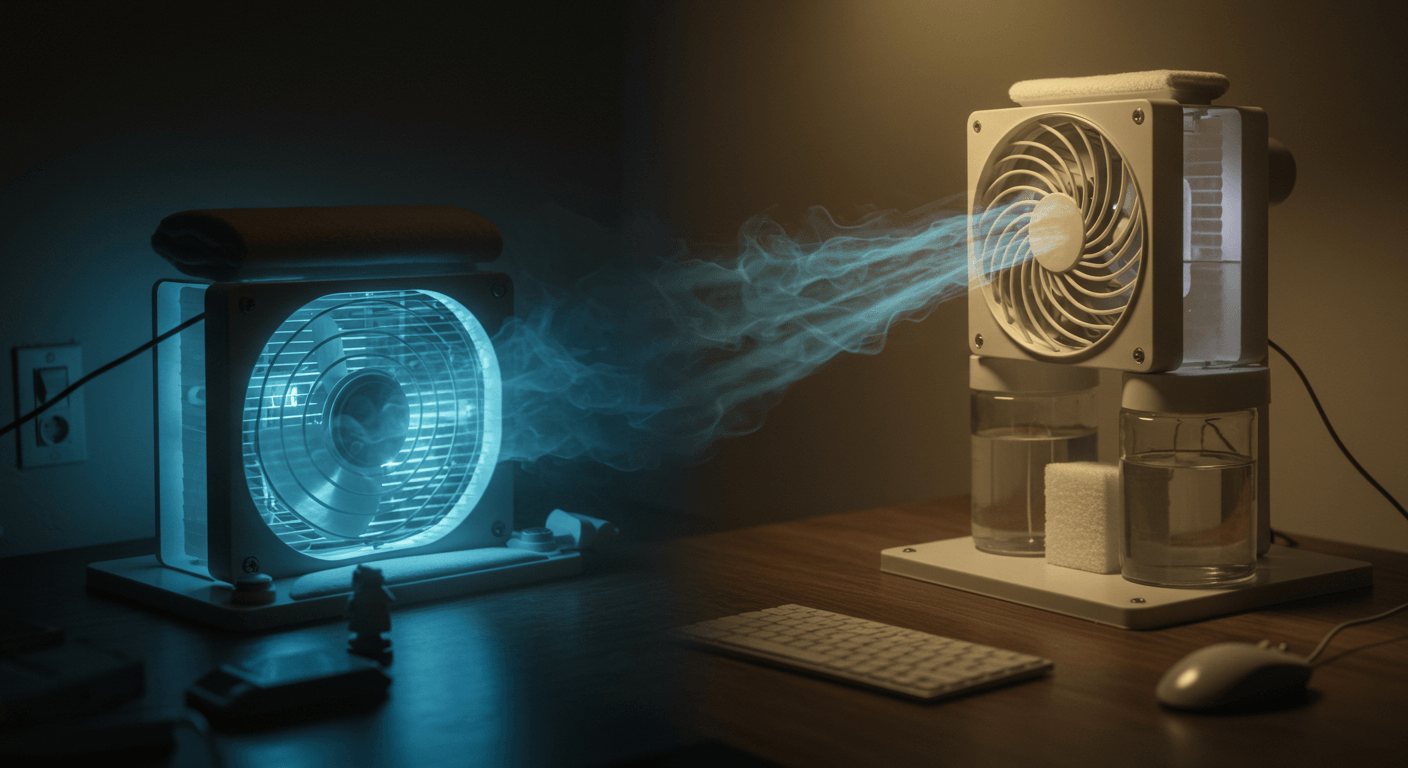
It’s not necessary to rely on pricey air conditioning or hefty energy costs to stay cool during the summer. Homemade cooling systems are an inexpensive and environmentally responsible solution to combat the heat if you have the necessary supplies and a little imagination. These easy fixes, which range from DIY neck wraps and terracotta pot systems to evaporative coolers and ice fan hacks, can significantly improve comfort both indoors and out.
DIY coolers provide you with more control over where and how cooling is administered, in addition to saving money. It’s easy to see why more individuals are using homemade techniques when you combine that with the thrill of creating something practical out of commonplace materials.
Just keep in mind that these gadgets are much more likely to remain long-lasting and effective with safe setup and routine maintenance. Responsible use, careful cleaning, and strategic positioning all contribute to maximizing outcomes while lowering risk.
When the temperature rises, don’t worry. These tried-and-true do-it-yourself cooling techniques are inexpensive, simple to make, and surprisingly effective. Enjoy cool comfort throughout the summer by experimenting with different combinations to see what suits your space the best.