
Many people have soft coolers as the preferred portable chilling option for weekend road excursions, fishing, camping, and tailgating. They are perfect for both casual users and outdoor enthusiasts because of their lightweight design, versatile storage, and long-lasting ice retention. Two names stand out as leading candidates among the several brands available on the market: Yeti and RTIC. Both are renowned for providing soft coolers with good performance, but they attract different kinds of customers, particularly in terms of cost, features, and longevity.
Many people consider Yeti soft coolers to be high-end equipment. These coolers are designed to survive tough environments using durable materials and innovative insulation. The greater price tag is frequently justified by the Yeti name’s reputation for dependability and superior performance. However, RTIC has gained a devoted following by providing comparable features and cooling capacity at a far lower price. The question of whether the higher price of a Yeti cooler is worth it is raised by the fact that RTIC soft coolers, which were designed with value in mind, frequently look and function similarly to their Yeti counterparts.
Everything you need to know about the Yeti Soft Cooler vs. RTIC Soft Cooler controversy is covered in this comprehensive comparison. This guide will assist you in choosing the best cooler for your needs based on how and where you use it, covering everything from ice retention and waterproofing to portability, build quality, and overall value. Both brands provide models that are worth taking into consideration, whether you’re searching for a heavy-duty cooler that can withstand trips lasting several days or a more affordable choice for short trips.
Declaring a winner isn’t the only objective here. To choose the soft cooler that best suits your needs and budget, it’s important to know the advantages and disadvantages of each brand. This comparison covers all the important details, so you can decide which cooler is the greatest value for your money, which one is simpler to handle, or which one retains ice longer. Are you prepared to choose the best soft cooler for your upcoming trip? Let’s get started on the final head-to-head matchup between RTIC and Yeti.
Brand Overview
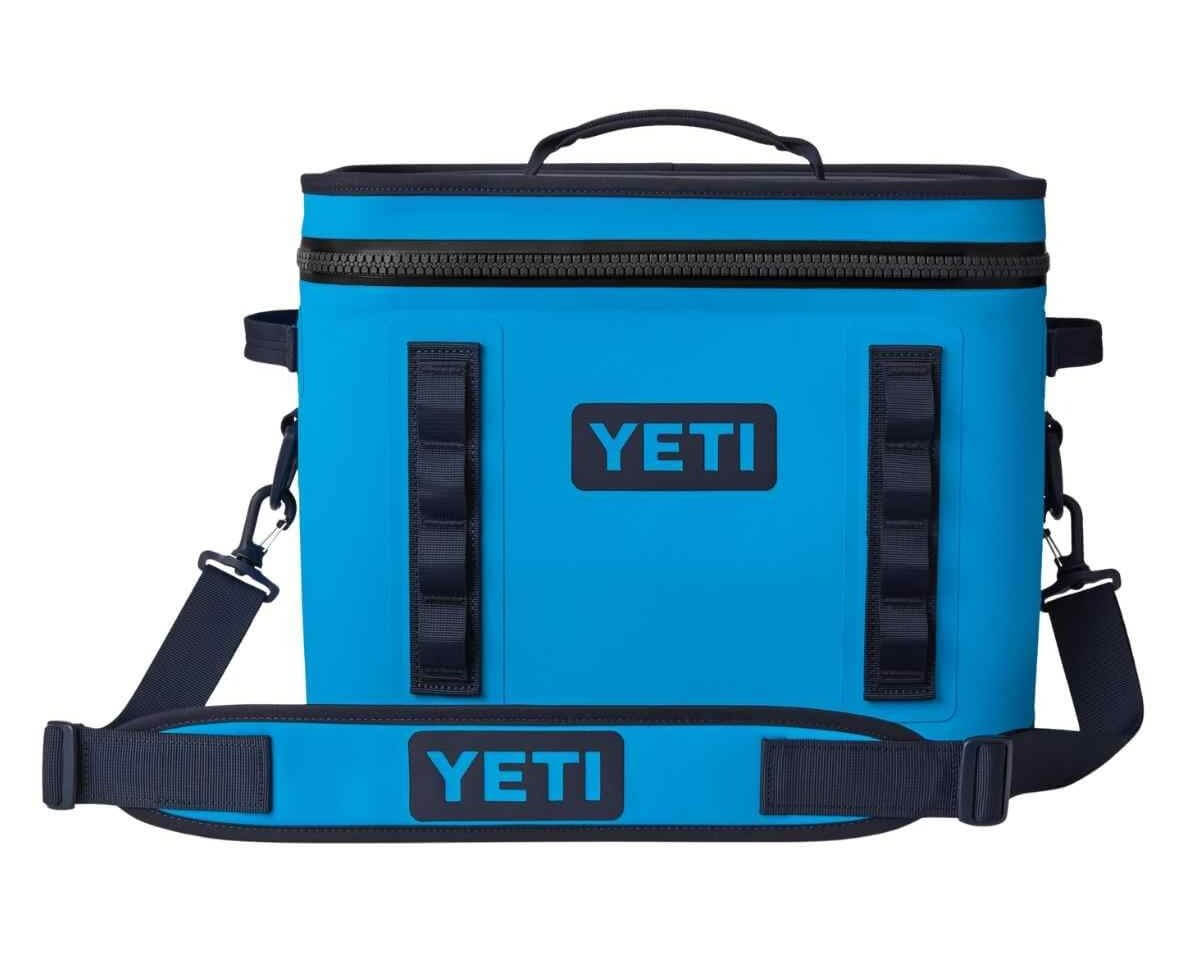
Knowing the brands that produce the various soft coolers aids in explaining variations in cost, functionality, and customer loyalty. Though they both dominate the cooler market, Yeti and RTIC approach product design and price differently.
Yeti:
In 2006, Yeti was established with the goal of producing high-performance, incredibly durable coolers that could withstand the most extreme conditions. Serious outdoor enthusiasts, fishermen, and thrill-seekers soon adopted the brand. The Hopper Flip and Hopper M Series are two examples of Yeti soft coolers that are renowned for their extended lifespan, superb insulation, and waterproof design. High-end components like the ColdCellTM insulation and DryHideTM Shell add to their pricey and durable appearance.
There is a sense of prestige associated with the Yeti name. This brand is synonymous with dependability, performance, and quality. Every product must pass stringent testing in order to satisfy strict durability requirements. Yeti provides users with equipment they can rely on in harsh environments.
RTIC:
With the audacious goal of offering Yeti-like performance at a more reasonable cost, RTIC joined the market in 2015. By selling directly to customers, eliminating the middleman, and maintaining cheap prices, the firm upended the cooler market. With their sturdy vinyl exteriors, closed-cell foam insulation, and good ice retention, RTIC soft coolers including the well-liked Soft Pack series often outperform Yeti in practical applications.
RTIC prioritizes cost-effectiveness without compromising functionality. RTIC offers great value even if it does not have Yeti’s upscale finishing or luxury branding. For tailgating, beach days, and weekend excursions where reliable performance is required but cost is an issue, many people opt for RTIC coolers.
RTIC is seen as the clever substitute, whereas Yeti is considered the premium original. Both have devoted followings and provide goods that are beneficial to their customers. The primary distinction is in brand identity: RTIC emphasizes affordable durability, whereas Yeti is all about tough status.
Knowing the philosophies of each brand might help consumers make an informed choice when they are deciding between the two. Both manufacturers offer good choices, regardless of whether having a high-end device or getting excellent performance for less money is more important.
Product Lineup and Price Comparison
Although Yeti and RTIC both have a selection of soft coolers made for durability, portability, and ice retention, there are noticeable price and size variations that could affect your decision.
Yeti
The Hopper Flip and the Hopper M Series are two models in Yeti’s lineup that are constructed with high-quality materials and cutting-edge insulation. The Hopper Flip is available in sizes 8, 12, and 18, while the Hopper M Series (M12, M15, and M20) has backpack-style choices with magnetic closures for hands-free carrying. Depending on the model and size, Yeti coolers normally cost between $200 and $350. For long-term consumers, the brand’s prestige, waterproof design, and quality frequently make the price tag worthwhile.
RTIC
The Soft Pack cooler series is available from RTIC in can sizes of 12, 20, 30, and 40. These coolers have welded seams, strong zippers, and excellent insulation. With prices ranging from $70 to $130, RTIC’s coolers are a far more cost-effective option. Additionally, the firm occasionally runs promotions and bundles, which make it simpler to obtain more for less money.
Value Comparison
RTIC coolers are often 50% to 60% less expensive than Yeti models when comparing similar sizes. A 20-can RTIC Soft Pack, for instance, might cost about $90, yet a similar Yeti Hopper Flip 18 might cost more than $300. Though Yeti has a more upscale, polished finish, RTIC offers more storage for the money. RTIC is the obvious choice for people that prioritize their finances. Yeti might be worth the extra money for someone looking for high craftsmanship and brand prestige.
Performance Head-to-Head
Performance is one of the most crucial considerations when contrasting Yeti and RTIC soft coolers. This covers durability, waterproofing, and ice retention all essential for outdoor use.
Ice Retention
ColdCellTM insulation, which traps cold air using closed-cell foam, is used in the construction of Yeti coolers. Depending on usage and circumstances, this produces remarkable ice retention that can last two to three days. Similar outcomes are achieved by RTIC soft coolers, which similarly use closed-cell foam and can retain ice for up to two days in mild heat. The performance difference is negligible in real-world tests. Yeti’s thicker insulating walls, however, might provide it a small advantage in extremely hot or cold weather.
Waterproofing and Leak Resistance
The HydroLokTM zipper, which is renowned for being airtight and leakproof, is a feature of Yeti coolers. This maintains contents sealed even in the event that the cooler topples over and helps avoid leaks. A strong, watertight zipper is another feature of RTIC soft coolers, albeit it could take extra work to open and close. Both kinds function well under typical use and have welded seams to stop leaks.
Durability and Build Quality
Premium materials like the DryHideTM Shell, which is resistant to UV radiation, mildew, and punctures, are among Yeti’s well-known products. For heavy-duty use, the handles, straps, and stitching are strengthened. Although they may feel less upscale, RTIC coolers are constructed with durable parts and a similar laminated nylon cover. Nevertheless, they withstand normal wear and tear quite well.
Portability and Ease of Use
When deciding between Yeti and RTIC soft coolers, portability is crucial, particularly for day outings, boating, and camping. Although ease is a top priority for both manufacturers, there are significant variations in weight, carrying alternatives, and accessibility.
Weight and Size
Because of their sturdy hardware and extensive insulation, Yeti soft coolers may weigh more than RTIC models with comparable capacities. For instance, when empty, a Yeti Hopper Flip 18 weighs roughly 5.1 lbs, and the RTIC Soft Pack 20 weighs more like 3 lbs. RTIC might be advantageous if weight is an issue for single carrying or lengthy walks.
Carrying Options
Yeti coolers, like as the Hopper M20 Backpack, are made for hands-free transportation and have reinforced side handles and padded shoulder straps. While there are fewer possibilities in the backpack form, RTIC still provides easy-grip handles and padded shoulder straps. Though Yeti offers a more ergonomic diversity, both brands are comfortable to hold.
Usability and Accessibility
Although Yeti’s HydroLokTM zippers and wide-mouth holes offer excellent sealing, they can be stiff and difficult to unzip. Heavy-duty zippers that keep contents sealed are also used in RTIC coolers, albeit they may become stuck after repeated usage. When both coolers are open, they stay structurally sound, which facilitates packing and item access. Sometimes loading is made easier by RTIC’s bigger lid opening, particularly when dealing with bulkier objects. Yeti’s M Series magnetic closure alternatives, on the other hand, provide speedy access and ease.
What’s the Best Cooler for You?
It essentially boils down to your priorities when deciding between a Yeti soft cooler and an RTIC soft cooler, whether you’re searching for luxury quality, economical performance, or something in between. Although each brand caters to a slightly distinct customer demographic, both have advantages.
Choose Yeti if…
You are willing to spend more for superior performance and long-lasting durability. For people who spend a lot of time outdoors—whether fishing, hunting, hiking, or overlanding—Yeti soft coolers are perfect. Their DryHide™ Shell adds exceptional protection to UV rays, mildew, and abrasions, while their ColdCell™ insulation provides marginally greater ice retention. Yeti is a good option if you value long-term dependability, style, and branding.
Additionally, Yeti provides greater carry alternatives, such as wide shoulder straps and backpack styles. They are appropriate for both professional and recreational use because of features like the HydroLokTM zipper and magnetic closures, which provide ease and leak protection.
Choose RTIC if….
You want tough construction and similar cooling power without going over budget. For consumers on a tight budget who nevertheless desire dependable performance, RTIC soft coolers are the best option. Strong insulation, resistance to leaks, and a range of sizes to suit both solitary excursions and large gatherings are features of their Soft Pack coolers.
For infrequent users who require a reliable cooler for weekend excursions, beach days, or tailgating, RTIC is also a fantastic choice. The value for the money is difficult to surpass, even though the finishes may not be as elegant as Yeti’s. The performance of RTIC is more than sufficient for the majority of casual users.
FAQs And Answers
Is the Yeti or RTIC soft cooler better at retaining ice?
The closed-cell foam insulation of Yeti and RTIC soft coolers provides exceptional ice retention. Because of its better seals and thicker insulation, Yeti coolers typically retain ice for a little longer in real-world settings, particularly during periods of intense heat. RTIC coolers are a fantastic deal for daily use, though, as they can effectively hold ice for up to two days.
Is the extra cost of Yeti soft coolers justified?
Yeti soft coolers are renowned for their long-term durability, sturdy construction, and high-quality materials. Although they increase cost, features like the DryHide™ shell, HydroLokTM zipper, and magnetic closures improve functionality and user experience. Yeti’s increased price may be justified if you need a cooler for professional use or frequent outdoor excursions.
Why is RTIC thought to be a less expensive option?
RTIC is far less expensive than Yeti while providing comparable performance and design. RTIC can reduce costs without compromising necessary features by selling directly to customers and emphasizing value. RTIC is a wise and dependable option for infrequent users or those on a tight budget.
Which company sells soft coolers in a wider range of sizes?
The Soft Pack line from RTIC comes in four primary sizes: 12, 20, 30, and 40-can capacity. Yeti provides the Hopper M Series with backpack-style alternatives and the Hopper Flip series in various sizes. Both provide variety, but Yeti has more high-end features and designs, particularly for needs involving huge capacity and hands-free carrying.
Are RTIC and Yeti soft coolers impervious to leaks?
Yes, both types have welded seams and zippers that don’t leak to stop spillage. The HydroLokTM zipper, which Yeti utilizes, is well-known for its watertight and airtight seal. Liquids are kept safe with RTIC’s heavy-duty zipper, albeit opening and closing it could take extra effort.
Which cooler—the Yeti or the RTIC—is more portable?
RTIC soft coolers are easier to transport on quick journeys because they are often lighter than Yeti coolers with comparable capacities. Better ergonomics and carrying alternatives, such as backpack variants, side handles, and shoulder straps, are provided by Yeti. RTIC works well for short distances. Perhaps Yeti is more comfortable for all-day mobility.
Can both coolers withstand inclement weather?
Indeed, the sturdy materials used to make Yeti and RTIC coolers are resistant to UV radiation, mildew, and punctures. RTIC stands up well for the majority of outdoor activities, camping excursions, and day journeys, while Yeti’s structure is more sophisticated and made to handle more rigorous use.
Which brand is more cost-effective overall?
For consumers on a tight budget, RTIC offers superior value by providing dependable performance at a reduced cost. For heavy users, Yeti offers superior long-term durability and cutting-edge functionality, making it a wise investment. How frequently and where you intend to use the cooler will determine the greatest value.
Conclusion
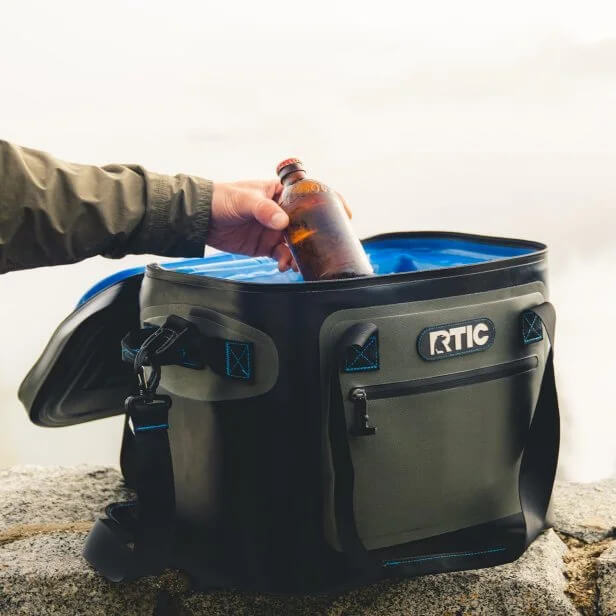
To wrap up, both Yeti and RTIC feature soft coolers with dependable insulation, strong performance, and long-lasting design. How often you intend to use the cooler, your budget, and your unique needs will all influence the ideal option. Yeti is distinguished by its high-end construction, cutting-edge features, and solid reputation in the outdoor gear industry. For frequent travellers who desire superior performance and are willing to pay more for long-term value, it’s perfect.
In contrast, RTIC offers remarkable ice retention and a sturdy design at a substantially reduced cost. It is the preferred choice for those on a tight budget who nevertheless desire performance without making significant compromises in functionality or durability. Both Yeti and RTIC provide coolers that are capable of handling the task, whether you’re packing for a fishing trip, a beach vacation, or a weekend walk. The choice ultimately boils down to your preference for economical pragmatism or high-end luxury.
Are you trying to find reliable cooling without going over budget? RTIC is a wise investment. Do you want a cooler that works well in harsh environments and looks great at the same time? Spending money on Yeti is worthwhile. In any case, you will be spending money on a soft cooler that will keep your equipment cold and your travels enjoyable.