
Finding economical and effective ways to stay cool becomes crucial when the summer heat arrives. Although they work well, air conditioners can be costly to operate, particularly in outdoor areas like patios, backyards, and open garages. Many people, therefore, question whether a swamp cooler, sometimes referred to as an evaporative cooler, would be the answer. Swamp coolers are an energy-efficient substitute for conventional cooling systems since they are made to harness the natural process of evaporation to lower the air temperature. Still, it’s unclear if a swamp cooler will function outside.’
In order for a swamp cooler to function, warm air must first be drawn in, then it must pass through pads soaked in water before a cooler breeze is released into the surrounding area. This technique works best in arid settings with little humidity because it maximizes cooling power by enabling water to evaporate rapidly. These devices can significantly lower the temperature indoors, but they pose a distinct problem outside. The environment, airflow, and cooler placement all have a significant impact on performance, and open areas are less effective in trapping cool air.
Knowing a swamp cooler’s outside capabilities can assist homeowners, renters, and outdoor entertainers in making informed decisions about their purchases. The ability to cool outdoor spaces without incurring large energy costs is desirable for everything from garage workshops to backyard barbecues. Swamp coolers are limited, nonetheless, when utilized in expansive, humid settings.
This guide explains how swamp coolers operate, how effective they are outside, where they work best, and what other outdoor cooling options are available. By the end, you’ll know for sure whether a swamp cooler is appropriate for your outdoor setup and, if so, how to use it to achieve the greatest results.
What Is a Swamp Cooler and How Does It Work?
Swamp coolers, also known as evaporative coolers, are an affordable substitute for conventional air conditioners. It uses the natural process of evaporation to produce a cooling effect rather than compressors and refrigerants. This makes it particularly alluring to those who want to use less energy while still being comfortable during hot weather.
The swamp cooler’s science is straightforward. A built-in water reservoir keeps the cooling pads moist when warm air is brought into the machine and passed across them. Evaporation takes place as the air passes over the wet pads. The air’s temperature is lowered by this process, which also emits a cool wind into the surrounding area. Cooler, more comfortable air that resembles a natural wind blowing across a lake or river is the end result.
In hot, dry climates with low humidity, swamp coolers perform best. Evaporation occurs rapidly under these circumstances, and the cooler can lower temperatures by a number of degrees. In contrast, humid environments make swamp coolers less effective because the air is already saturated with moisture, leaving little room for evaporation.
One of the major advantages of a swamp cooler is energy efficiency. Since it does not rely on heavy machinery or chemicals, it requires substantially less electricity compared to a standard air conditioner. Additionally, a lot of versions are portable, so they may be utilized in a variety of settings, such as patios and living rooms.
A swamp cooler works by leveraging evaporation to lower the air temperature organically. It is a simple, eco-friendly cooling device suited for arid conditions and may offer a consistent flow of cold air indoors or in semi-open locations.
Can a Swamp Cooler Be Used Outdoors?
A common question homeowners ask is whether a swamp cooler can be used outdoors. The short answer is that while swamp coolers can offer relief in outdoor settings, their efficacy is contingent upon a number of critical factors. Evaporative coolers use the ambient air instead of a sealed indoor cooling zone, like standard air conditioners do. The environment, ventilation, and the particular area you wish to cool all affect outdoor performance.
The best conditions for swamp coolers are hot, dry regions with minimal humidity. An evaporative cooler can have a significant impact on open garages, backyard decks, and outdoor patios. You can immediately feel the impact of these coolers, especially if you are sitting close to the device, because they blast cooled, moistened air into the surrounding air. Portable swamp coolers are frequently positioned close to seating areas for outdoor events in order to optimize comfort.
There are restrictions to take into account, though. Compared to indoor use, the overall temperature drop is lessened since outdoor areas are open and the cool air is not trapped. Performance is further restricted by humid circumstances because evaporation is less efficient in humid air. Location is crucial; placing the cooler in a shady spot and making sure there is adequate ventilation can greatly enhance the outcome.
Many people consider swamp coolers to be a useful and affordable outdoor storage solution in spite of these drawbacks. They consume significantly less energy than air conditioners, generate a continuous cooling wind, and can be relocated easily to different areas. For patios, garages, or backyard activities, a swamp cooler can be an excellent choice to keep guests comfortable without high electricity costs.
Best Outdoor Uses for a Swamp Cooler
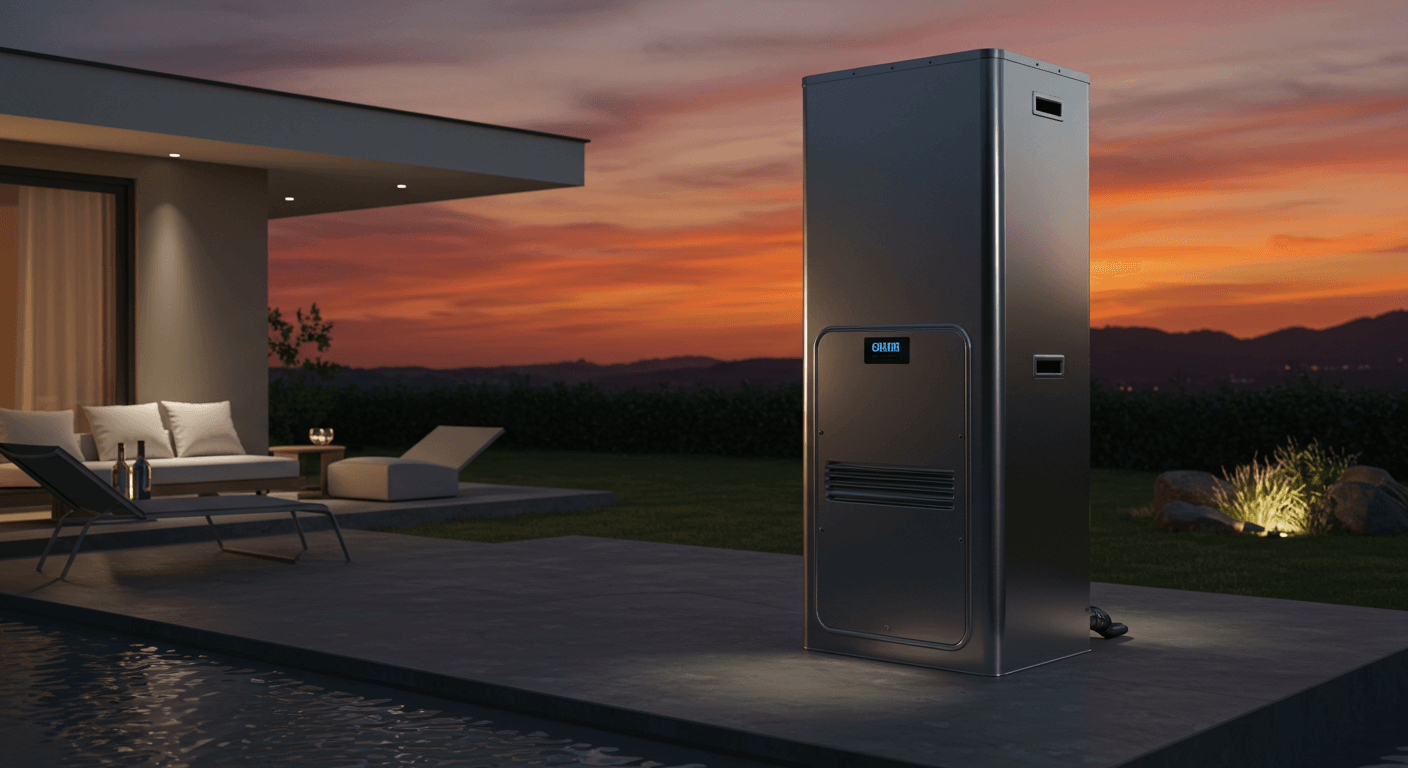
Swamp coolers are not just for interior comfort; they can also be beneficial in certain outdoor conditions. An outdoor swamp cooler can produce a pleasant wind that helps people cope with hot days when used properly. Selecting the ideal setting and positioning the cooler where it will have the biggest impact are crucial.
Patios and decks are among the most common places to use it. For visitors seated outside during summer festivities, a swamp cooler can offer localized cooling. Everyone will experience the cooling effect if the unit is placed close to tables or lounge areas. These coolers can also improve outdoor lounging in arid areas by adding a slight mist of humidity to the air.
Workshops and garages have excellent applications as well. These areas frequently retain heat even if they might not be completely enclosed. By positioning a swamp cooler close to an open door, cold, fresh air can circulate, lowering stuffiness and improving working conditions.
Portable swamp coolers are also useful for outdoor eating areas and backyard barbecues. Hosting friends and family is considerably easier when a consistent stream of cold air keeps everyone refreshed. Unlike air conditioners, swamp coolers don’t require a sealed enclosure, making them a perfect option for outdoor gatherings.
They can also be helpful for outdoor gatherings held beneath shade structures like tents. Swamp coolers can assist control temperatures in semi-open spaces when airflow is present but shade alone is insufficient, whether it’s for a small wedding reception, picnic, or community event.
While they won’t cool a full garden, swamp coolers excel at providing targeted cooling in certain zones. These units are a wise choice for outdoor living since they concentrate on high-traffic areas, providing comfort where it’s most needed.
Limitations of Using a Swamp Cooler Outdoors
A swamp cooler has some drawbacks that should be taken into account before making a purchase, even if it can offer noticeable relief in outdoor areas. You may set reasonable expectations and make sure you get the most out of your outdoor cooling solution by being aware of these disadvantages.
Humidity is the primary element influencing the performance of outdoor swamp coolers. Dry regions are ideal for these coolers since low moisture content in the air speeds up evaporation. In humid areas, the air is already saturated with water vapour, which delays evaporation and makes the cooling effect negligible. For places with significant humidity, the difference in temperature outdoors may be scarcely visible.
Open space cooling is another drawback. A swamp cooler discharges air into the surrounding environment, as opposed to an air conditioner, which cools a contained space. Since the cool breeze disperses quickly outside, the effect is only as intense in a small region surrounding the unit. For big backyards or wide-open patios, you may need many units or extra fans to feel constant cooling.
Swamp coolers also require a continuous water source to operate successfully. Running out of water lowers the unit’s cooling capacity and could possibly harm the internal pads. Regular refills or having access to a garden hose connection may be required when used outside for extended events.
In peaceful outdoor gatherings, noise can often be an issue. Even though swamp coolers aren’t as noisy as some other appliances, the sound produced by the fan and water pump can nevertheless disrupt conversations or background music.
In conclusion, swamp coolers are effective and energy-efficient when used properly, but their outside performance is greatly influenced by setup, airflow, and environment. Knowing these drawbacks makes it easier to decide if an outdoor swamp cooler is the best option for your requirements.
How to Maximize Outdoor Swamp Cooler Performance
In hot weather, using a swamp cooler outside is a great way to remain cool, but for optimal results, careful setup and astute tactics are needed. Small changes can have a significant impact on performance since evaporative coolers and air conditioners operate differently. These are tried-and-true methods for increasing the effectiveness of outdoor swamp coolers.
- Put the cooler somewhere that gets some shade. Direct sunlight lowers cooling performance by heating the unit and the water within. Maintaining cooler circulation can be achieved by placing it beneath a shade structure, patio cover, or umbrella.
- Verify adequate ventilation. Natural ventilation or a constant breeze are ideal for outdoor swamp cooler operation. To disperse the chilled breeze across the dining area, position the cooler where air may flow freely rather than in a closed corner.
- To disperse cool air, use fans. The cooled air is pushed farther when you use outside fans in conjunction with your swamp cooler. Particularly on bigger patios or decks, this expands the comfort zone.
- Fill the water tank with ice. Ice may be added to the reservoir of a lot of portable swamp coolers. This produces a more refreshing breeze and a stronger cooling effect by lowering the water’s temperature.
- Select the appropriate unit size. Larger areas call for swamp coolers with greater airflow capacity (measured in CFM) for outdoor application. While a larger model can cover patios, garages, or sections in the rear that are shaded, a tiny unit might only cool a few feet around it.
- Keep pads and water levels stable. To maintain optimal system performance, periodically inspect the cooling pads and replace the tank.
Patios, backyard parties, and barbecues may be made much more enjoyable by using an outdoor swamp cooler that provides greater, longer-lasting cooling by adhering to these suggestions.
Conclusion
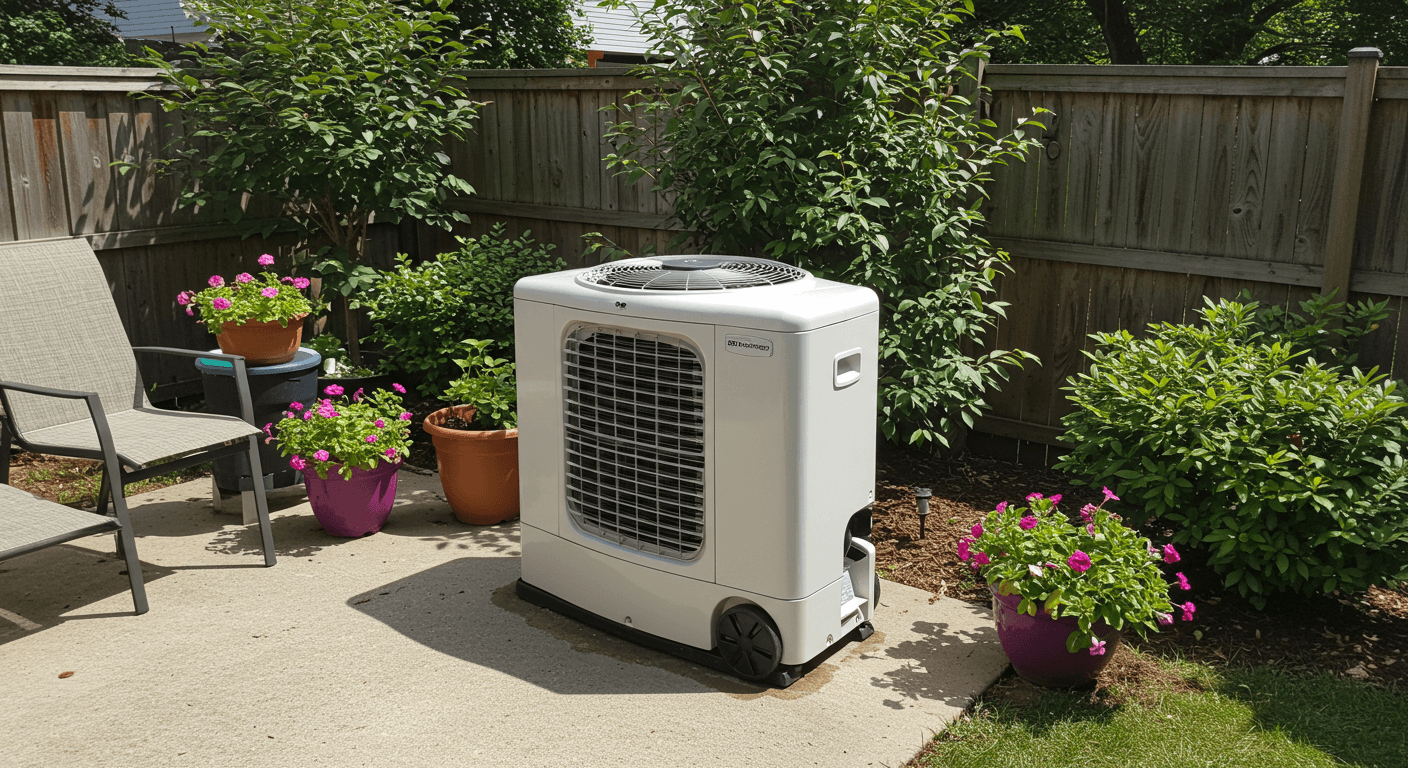
The effectiveness of a swamp cooler is largely dependent on the temperature, location, and expectations, but it can be a cost-effective and efficient outdoor cooling solution. By producing a cool breeze, these devices offer obvious respite in hot and dry areas, improving the comfort of patios, decks, and outdoor gatherings. Compared to conventional air conditioners, they are simpler to use, more eco-friendly, and energy-efficient.
Nevertheless, swamp coolers aren’t always the best option. Their reach is limited by the rapid dispersion of chilly air in open areas. Because evaporation slows down when the air is already saturated with moisture, high humidity levels also limit effectiveness. Therefore, semi-enclosed areas like garages, workshops, or shaded patios are ideal for outdoor swamp coolers, as are arid environments.
A swamp cooler is a good option for homeowners who want to improve outdoor comfort without incurring excessive energy costs. You may optimize performance by positioning the unit in a shaded area, making sure there is adequate ventilation, and selecting the appropriate size for the area. Swamp coolers are an inexpensive way to beat the heat outside, but they can’t replace air conditioning. They’re ideal for parties, cookouts, or just lounging on a hot summer day.