
Mini-split systems, also referred to as ductless air conditioning, are quickly becoming more and more popular among companies and households looking for effective, adaptable cooling options. Unlike traditional central air systems that rely on ductwork to circulate cold air, ductless air conditioning gives climate control directly to specific rooms or zones. This method reduces energy waste and utility costs by enabling accurate temperature control.
An exterior compressor and one or more indoor air-handling units connected by refrigerant lines make up the two primary parts of ductless systems. These units offer flexible installation options, even in areas without existing ducting, and can be placed on the wall, ceiling, or floor. Ductless air conditioning is perfect for older houses, room extensions, and places where adding ducts is prohibitive because each unit runs separately, allowing customers to create personalized comfort zones.
Ductless air conditioners are renowned for their silent operation, ease of installation, and zoning flexibility in addition to their energy efficiency. Before making a choice, it is crucial to comprehend the sorts of ductless air conditioners that are available, how they operate, and their prices. In order to help you decide whether a mini-split system is the best option for your house or place of business, this guide covers all the information you require regarding ductless air conditioning.
How Ductless Air Conditioning Works?
Without the use of ducts, ductless air conditioning uses a straightforward yet incredibly effective technique to heat or cool individual rooms. The system is made up of one or more interior air-handling units connected by refrigerant lines and an outdoor compressor. In order to lower the inside temperature, the compressor pumps refrigerant to the indoor units, where it absorbs heat from the space and releases it outdoors.
To ensure constant comfort, indoor units are furnished with fans and filters to distribute air around the room. Because each unit runs separately, homeowners may customize the temperature in each room or area. Because you can cool just the rooms that are being used rather than the entire house, this zoning feature not only improves comfort but also lowers energy usage.
Ductless air conditioners are adaptable for year-round use because they can also provide heating through a heat pump function. The installation process is often less invasive than traditional central air systems, as it requires only a tiny hole for refrigerant lines and electricity connections.
Ductless AC systems prevent energy losses that can waste up to 30% of heated or cooled air by doing away with ducting. Because of this, ductless air conditioning is a practical, adaptable, and effective option for contemporary homes and workplaces.
Types of Ductless Air Conditioning Systems
There are various varieties of ductless air conditioning systems, each intended to satisfy distinct heating and cooling requirements. The single-zone system, which links one indoor unit to one outdoor compressor, is the most popular choice. For heating or cooling a single room, like a bedroom, home office, or small apartment, single-zone systems are perfect.
A multi-zone system is the best option for areas with more rooms or larger spaces. These systems connect multiple indoor units to a single outdoor compressor, allowing each room or zone to be controlled independently. By allowing consumers to choose the temperature for each location, multi-zone ductless air conditioning provides increased comfort and energy efficiency.
Additionally, indoor units come in a variety of styles to meet both practical and decorative requirements. The most common units are wall-mounted ones, which are subtly positioned close to the ceiling for the best ventilation. Ceiling cassette units are perfect for business settings since they are integrated into drop ceilings and evenly disperse air in four directions. In spaces where installing units on the wall or ceiling is impractical, floor-mounted units perform admirably.
Selecting the best option for any room requires an understanding of the many ductless air conditioning system types. Ductless air conditioning is a flexible substitute for conventional central air conditioning systems, since the proper system optimises comfort, energy efficiency, and installation flexibility.
Benefits of Ductless Air Conditioning
Due to their many advantages, ductless air conditioning systems are a desirable substitute for conventional central air conditioning systems. Energy efficiency is one of the main benefits. Only the rooms that are being used are heated or cooled because each indoor unit may be controlled separately, which cuts down on wasteful energy use and utility costs.
Easy installation is yet another important advantage. Unlike conventional systems that require extensive ductwork, ductless AC units need just a tiny hole for refrigerant lines and electricity connections. They are therefore perfect for locations where building ducts is impractical, such as older homes or room extensions.
Zoning flexibility is yet another significant benefit. With multi-zone systems, users may customize the temperature in each room or location, making every environment more comfortable. This adaptability is particularly helpful in families with different temperature preferences or in spaces that require special heating and cooling.
With the majority of interior units operating at low noise levels that won’t interfere with everyday activities or sleep, ductless systems are also renowned for their silent operation. Furthermore, a lot of units have sophisticated features that improve indoor air quality and convenience, such as remote controls, air filters, and programmable timers.
All things considered, ductless air conditioning is a wise option for contemporary homes and workplaces since it blends comfort, flexibility, and efficiency.
Drawbacks or Considerations
Although ductless air conditioning systems provide numerous benefits, there are also some disadvantages and things to think about before installing one. The increased initial cost is one of the main issues. Generally speaking, ductless systems are more expensive per unit than conventional central air systems, particularly when many zones are needed. Long-term energy savings, however, may make the initial outlay worthwhile.
Another factor is aesthetic considerations. Not every interior design will work well with indoor units that are visible on walls, ceilings, or floors. Keeping a clean appearance requires selecting a unit style that blends well with the area.
To guarantee peak performance, regular maintenance is also required. Frequent cleaning of filters is necessary, and professional inspections of compressors, electrical connections, and refrigerant lines are advised. Maintenance neglect can shorten lifespan and diminish efficiency.
Limitations in capacity are another factor to take into account. Single rooms or zones are the ideal application for ductless air conditioners; very big spaces may need many units, which would increase complexity and cost.
Finally, although ductless systems are silent, outdoor compressors can make noise, particularly in places with a high population density. For the least amount of disturbance, positioning is crucial.
When evaluating ductless air conditioning, homeowners can balance cost, comfort, and efficiency by being aware of these disadvantages.
Cost of Ductless Air Conditioning
The number of interior units, installation difficulty, and system type all affect ductless air conditioning costs. Installation costs for single-zone systems typically range from $1,500 to $3,500. These systems are perfect for heating or cooling a small space or a single room. Multi-zone systems that service numerous rooms usually cost between $3,000 and $7,500 because the cost increases with each additional indoor unit.
Even while ductless air conditioning systems are frequently more expensive up front than conventional central air units, they can save energy over time. Homeowners can save 20–30% on utility expenditures by not heating or cooling unoccupied spaces because each unit can be operated independently.
The length of refrigerant lines, the kind of interior units selected, and any structural or electrical work required for installation are other considerations that affect cost. While floor-mounted or ceiling cassette units may increase labour and material expenses, wall-mounted systems are typically the most economical.
Additionally, some areas provide incentives or refunds for HVAC systems that use less energy, which can help defray the initial costs. When assessing the investment in ductless air conditioning, it is crucial to take into account both the initial expenses and possible savings.
Ductless Air Conditioning vs. Traditional Systems
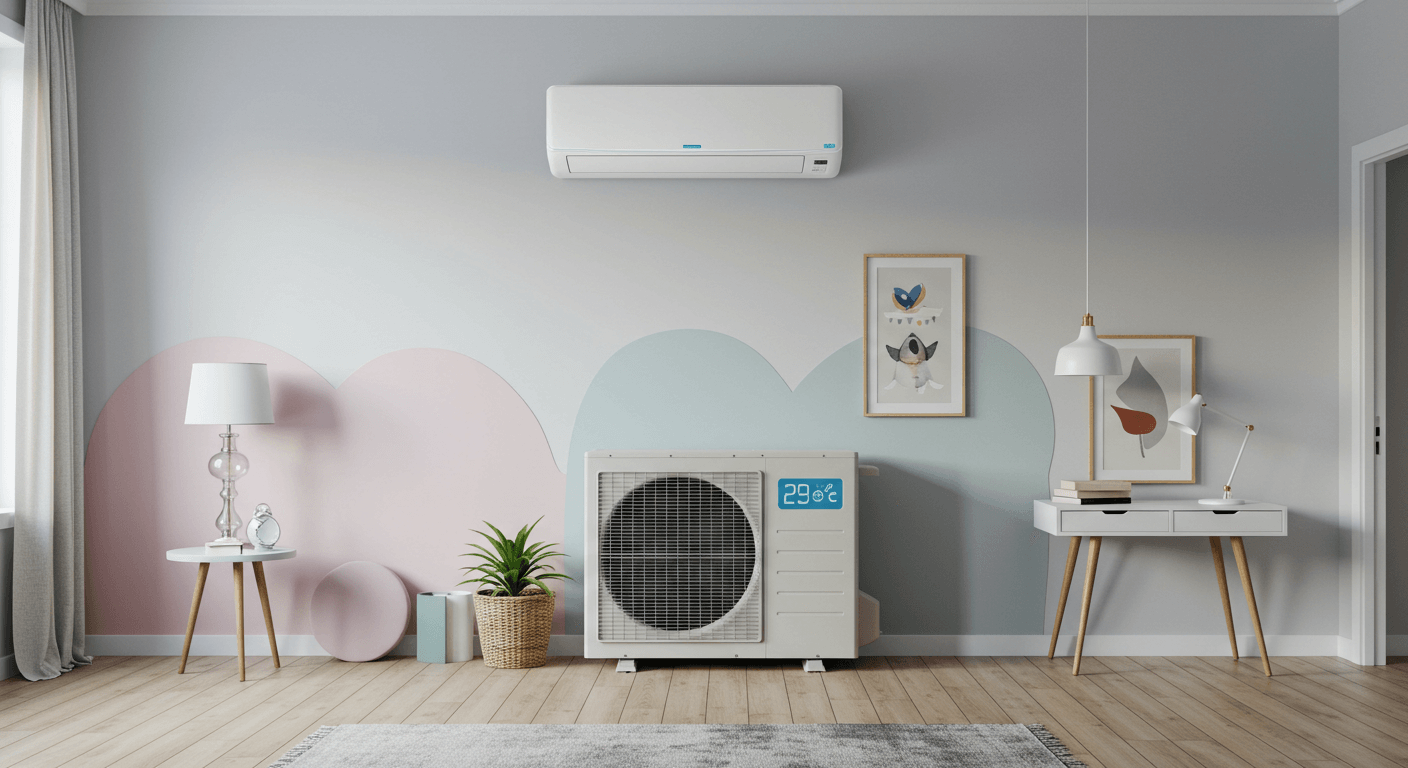
Homeowners can select the best option by being aware of the distinctions between ductless air conditioning and typical central air systems. Ductless systems provide climate control directly to specific rooms or zones, as opposed to central air conditioning, which uses ductwork to distribute warm or cool air throughout the entire house. This design minimizes energy waste and utility costs by enabling accurate temperature control.
Another significant distinction is installation. Particularly in older homes, central air systems frequently call for extensive ductwork, which may be expensive and intrusive. In contrast, ductless air conditioners require only a tiny opening for power and refrigerant connections, which speeds up and minimizes installation disturbance.
Ductless systems are also distinguished by their energy efficiency. Users may only chill the sections that are being utilized using separate controls for each room, whereas central air conditioning may waste energy cooling regions that are not being used.
Central air systems, on the other hand, are frequently more efficient for very large homes and offer whole-home comfort without the need for visible indoor units. For ductless systems to provide comparable coverage, several interior units could be needed. While traditional systems are excellent at providing consistent temperature control for bigger spaces, ductless air conditioning is best for targeted cooling, energy savings, and flexible installation.
The Best Uses of Ductless Air Conditioning
Systems for ductless air conditioning are quite adaptable and appropriate for many different uses. One of the most popular applications is in residences without ducting. Mini-split systems are advantageous for older homes, historic structures, or areas with restricted duct access because they only need a tiny opening for power connections and refrigerant lines to be installed.
Ductless air conditioning is particularly advantageous for house renovations and room extensions. While ductless systems offer effective heating and cooling for newly constructed or renovated buildings, installing a typical central air system may be expensive or impossible. Comfort is ensured throughout the house with multi-zone systems, which enable independent temperature control for every room.
In business environments like offices, small shops, or clinics, ductless systems work just as well. By cooling only occupied areas and lowering operational costs, the ability to build tailored zones guarantees that energy is used efficiently.
Other perfect locations include sunrooms, attics, and basements, where it can be difficult to extend ductwork. Without requiring significant construction, ductless air conditioners offer dependable climate management for these areas.
All things considered, ductless air conditioning provides adaptable options for both residential and business settings, making it a great option in places where conventional ducted systems are either too expensive or unfeasible.
Tips for Ductless Air Conditioning Maintenance
For ductless air conditioning systems to function effectively and persist for many years, proper maintenance is necessary. Cleaning the indoor unit filters on a regular basis is one of the most crucial duties. Airflow, efficiency, and indoor air quality can all be negatively impacted by dirty filters. Depending on usage and climatic conditions, the majority of filters can be taken out and washed with water every few weeks.
Another important maintenance step is to inspect the external compressor. To guarantee adequate airflow and avoid damage, keep the area surrounding the unit free of dirt, leaves, and debris. Refrigerant leaks, electrical problems, or worn components can be found before they become major concerns by scheduling an annual professional check.
It’s also critical to look for wear, corrosion, or leaks in the refrigerant lines. For effective heating and cooling, the right amount of refrigerant must be present. Make sure the condensate drain is clear as well to avoid water accumulation that can cause damage or mold.
It is important to keep an eye on remote controls and programmable settings to make sure they operate properly and maximize energy use. Maintaining consistent comfort, increasing system lifespan, and optimizing energy efficiency are all made possible by heeding these maintenance recommendations.
For many years to come, ductless air conditioning systems can maintain dependable, effective climate management by adhering to basic maintenance procedures and arranging for expert inspections.
Conclusion
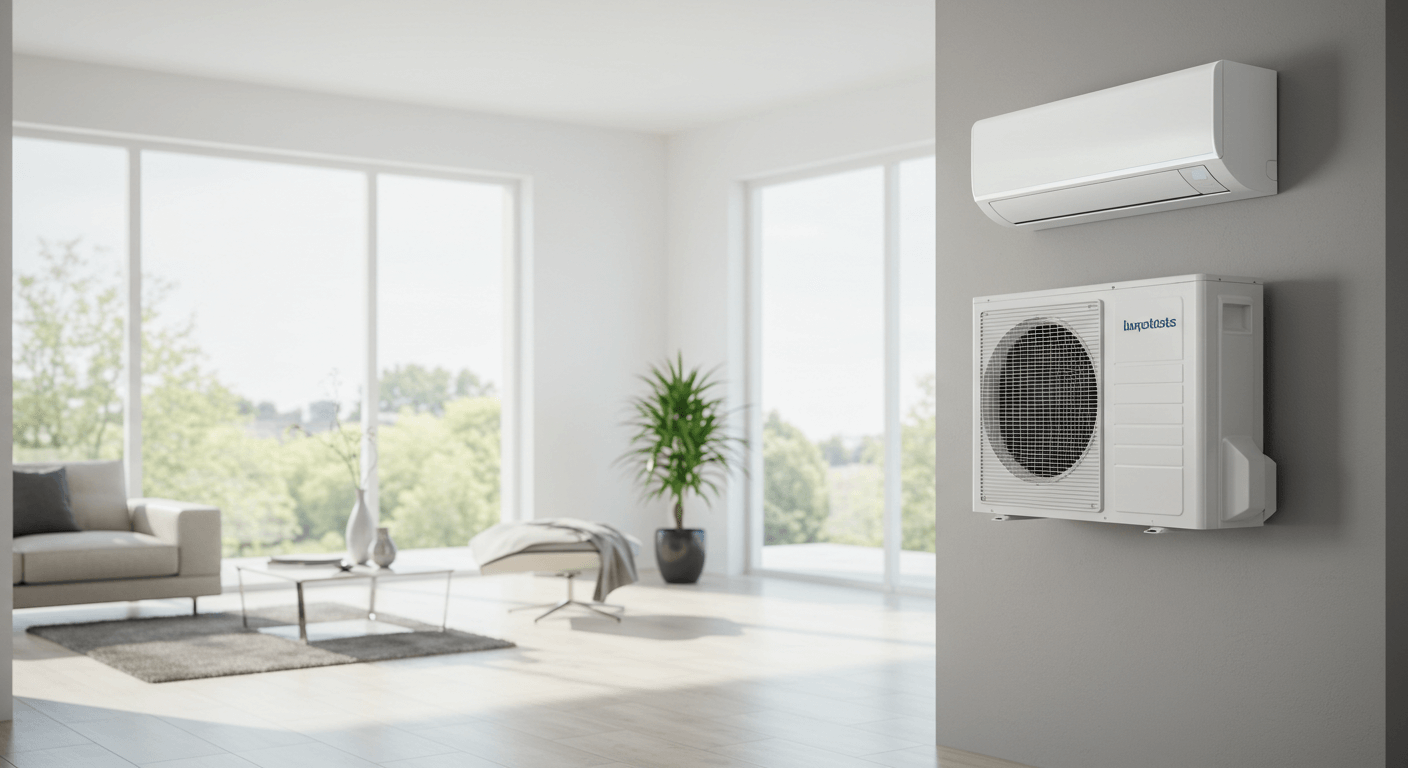
For households and businesses looking for precise climate control without the need for ducting, ductless air conditioning offers a versatile and energy-efficient alternative. Ductless systems provide individualized comfort by distributing heating and cooling directly to specific rooms or zones, minimizing energy waste and utility costs.
Ductless air conditioning can be tailored to a variety of locations and design tastes with options ranging from single-zone to multi-zone systems and different interior unit types like wall-mounted, ceiling cassette, and floor-mounted. It is perfect for older houses, room extensions, basements, and commercial buildings because installation is usually speedier and less intrusive than traditional central air systems.
Although ductless systems have certain disadvantages, such as upfront expenses, visible inside units, and regular maintenance, these are frequently outweighed by the advantages, which include quiet operation, zoning flexibility, and long-term energy savings. Optimal performance and longevity are guaranteed by proper maintenance, which includes routine filter cleaning and expert inspections.
All things considered, ductless air conditioning is a flexible and effective substitute for traditional HVAC systems. A ductless mini-split system is a clever, contemporary option for efficient, dependable temperature control, whether you’re remodelling an old house, cooling a new addition, or enhancing comfort in a business setting.