
Pelican and Yeti are two of the most well-known brands when it comes to high-end coolers. Both are well known for their durable design, remarkable ice retention, and performance that is suitable for outdoor use.
Purchasing a sturdy cooler is important for campers, fishermen, and explorers for reasons more than simply keeping beverages cold; it’s also important for dependability throughout multi-day excursions and in the sweltering summer months. Two of the most talked-about models in the 50-quart category, the Pelican 50QT Elite Cooler and the Yeti 50QT Tundra, will be thoroughly examined in this comparison.
The Pelican 50QT is designed to be durable and long-lasting. It has molded handles, press-and-pull closures, a lifetime warranty, and a sturdy polypropylene shell. Professionals and outdoor enthusiasts who place a premium on robustness and performance appreciate it because of its almost unbreakable build.
In contrast, the Yeti 50QT Tundra is distinguished by its rotomolded construction, clean design, and ColdLock™ gasket, which guarantees enduring ice retention. Yeti is a popular choice for anyone seeking a sleek look and reliable cooling performance because of its solid reputation for fusing high quality with usefulness.
We’ll compare these two coolers side by side in this guide, paying particular attention to design, mobility, ice retention, capacity, and cost. You’ll know which cooler best suits your outdoor lifestyle by the end. This comprehensive Pelican vs. Yeti cooler comparison will assist you in making an informed choice, regardless of whether you’re organizing a camping vacation, a fishing weekend, or simply require reliable ice retention for lengthy drives.
Quality of Design and Construction
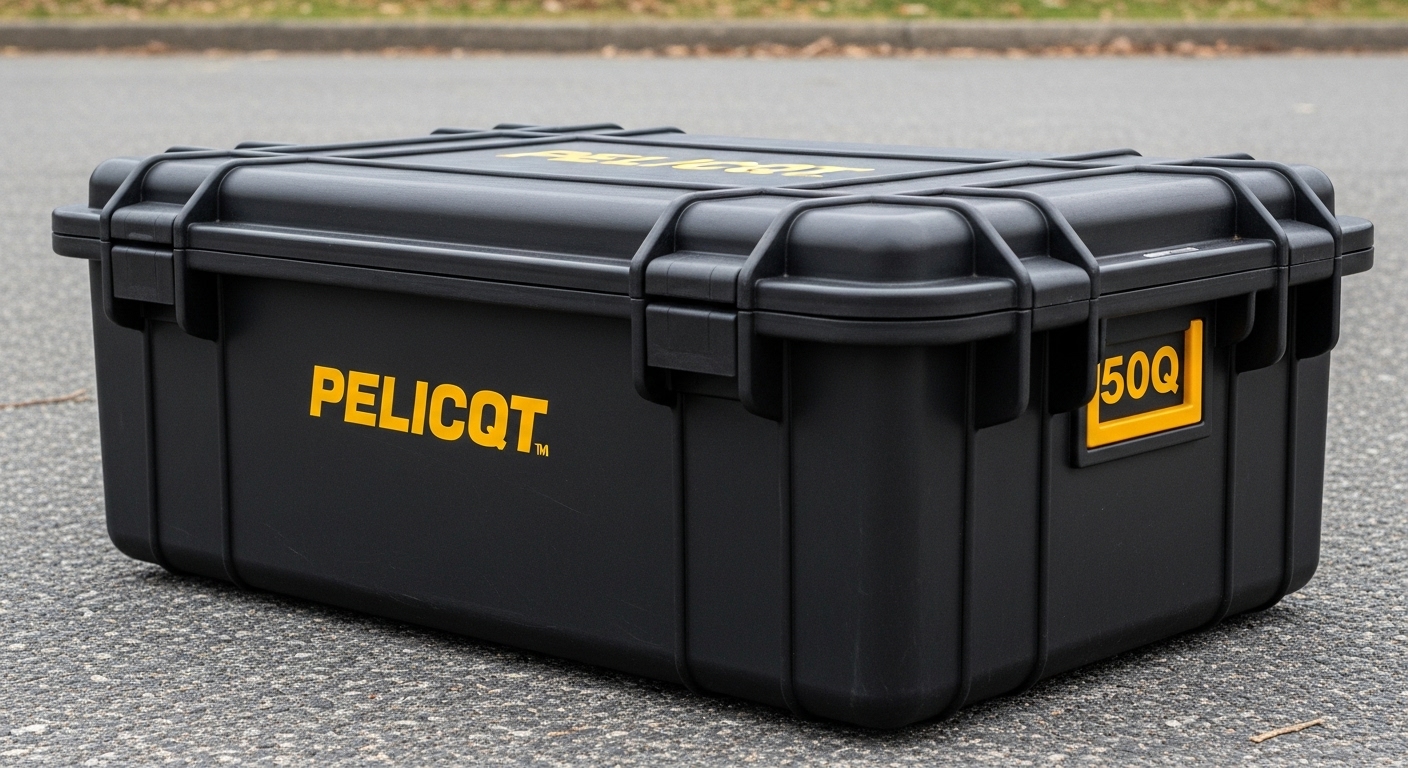
The Yeti Tundra 50QT and the Pelican 50QT Elite both have superior build quality, but they use different materials and design strategies to achieve distinct performance goals.
Pelican Elite 50QT
For extended ice retention, Pelican’s Elite line features a sturdy polypropylene body with 2-inch-thick foam insulation. The external measurements are around 30 x 20.3, and the empty weight is approximately 26.4 lbs. Pelican emphasizes features like molded-in handles, anti-skid feet, press-and-pull closures, and a freezer-grade 360° gasket seal. A cooler designed for tough use, longevity, and extreme outdoor environments is reflected in these design elements.
Yeti Tundra 50QT
Using rotomolded construction, which is also used for kayaks, Yeti gives the Tundra series a durable, one-piece body that is meant to last. When empty, the Tundra 50 weighs about 26–27 pounds and has external dimensions of about 24″ × 17.4″ × 18″. The BearFoot™ non-slip feet, T-REX™ latches, NeverFail™ hinges, and ColdLock™ gasket are important hardware components. Yeti’s design places a strong emphasis on insulating performance and durability.
With its thick insulation and sturdy construction for demanding outdoor use, the Pelican Elite stands out if maximum durability and tough performance are your top priorities. The Yeti Tundra 50QT, on the other hand, is marginally more compact and provides similarly excellent durability thanks to its rotomolded structure and high-quality hardware. Both are excellent, but the decision between them depends on your preference for the premium rotomolded design and brand ecosystem (Yeti) or the little thicker insulation (Pelican).
Ice Performance and Retention
Ice retention is a crucial distinction between the Yeti Tundra 50QT Cooler and the Pelican 50QT Elite Cooler. Although both are high-end hard coolers designed for intense outdoor use, there are minor variations in how they sustain cold temperatures over time.
Ice Retention with Pelican 50QT Elite
The Pelican 50QT Elite is designed with a freezer-grade gasket that provides “extreme ice retention,” according to the company, and thick insulation, around 2 inches of polyurethane foam. According to one reviewer’s tests, it maintained its ice for over four days in hot weather. At the conclusion of another comprehensive 13-day test, the last ice cubes were still there. These findings imply that the Pelican offers superior long-distance cold performance, particularly when packed appropriately and in ideal circumstances.
Ice Retention of the Yeti Tundra 50QT
The Yeti Tundra 50QT has rotomolded construction, an InterLock™ lid mechanism, a ColdLock™ gasket, and strong PermaFrost™ insulation. For its build, reviews call it “incredible ice retention.” In order to optimize ice retention, Yeti’s own guidelines place a strong emphasis on proper packing (such as the ratio of ice to contents and pre-chilling). Although Pelican’s “extreme” claims are more widely publicized than the Tundra’s particular day-by-day ice longevity data, the Tundra is unquestionably the best in its class.
Portability and Usability
When comparing the Pelican 50QT Elite vs the Yeti Tundra 50QT, portability is crucial since it influences how simple it is to move a fully loaded cooler over various terrains.
The Pelican 50QT Elite
The Pelican 50QT Elite has molded side handles for two-person lifting and weighs about 26.4 lbs empty. Even when the cooler is completely packed with ice and drinks, the sturdy handles offer a firm hold. Although the regular 50QT Pelican model lacks wheels, the cooler’s design and handle location enable comfortable short-distance transportation. It is more appropriate for vehicle-based travel or circumstances where rolling is not required due to its somewhat wider footprint.
The Yeti Tundra 50QT
The Yeti Tundra 50QT has sturdy T-Rex™ latches, BearFoot™ non-slip feet, and NeverFail™ hinges. It weighs about 26–27 lbs empty. It is easy to lift and carry over moderate distances thanks to the side handles and rope grips. Similar to the Pelican, the 50QT version of the Tundra lacks integrated wheels. Its somewhat smaller size improves portability for lone users or small groups by making it simpler to put into cars, boats, or tiny storage spaces.
Although both coolers need to be manually lifted, two people can manage them thanks to the handle design and weight distribution. While the Yeti’s small size and ergonomic handles give it an advantage in vehicle and small-space transportation, the Pelican’s superior stability and grip make it perfect for rough terrain or uneven surfaces.
Since neither cooler has built-in wheels in the 50QT capacity, portability essentially favors scenarios where you either hoist with a partner or pack into a vehicle. Although both are thoughtfully designed to balance handling, weight, and grip, your decision may be influenced by the terrain, available storage, and your own lifting preferences.
Storage Options and Capacity
Storage capacity, interior dimensions, and layout efficiency become crucial considerations when comparing the Yeti Tundra 50QT with the Pelican 50QT Elite to determine which cooler will best suit your needs.
Pelican 50QT Elite Storage & Capacity
According to Pelican, the Elite 50QT’s outside footprint is 30 × 20.3″ × 20.4″, while its interior measurements are roughly 17.5″ L × 11.0″ W × 13.7″ H. The published volume is around 50 QT of usable space, or 52.9 QT. Additionally, according to Pelican, when filled with ice, the capacity may hold up to 38 cans (or 34 in other listings). Compared to coolers with thinner walls, its insulation depth of roughly 2 inches means that the walls occupy more internal area.
Yeti Tundra 50 QT Storage & Capacity
According to Yeti, the Tundra 50’s external measurements are around 24 L by 17.4 W by 18 H, and its empty weight is about 26 lbs. According to store listings, the inside measurements of certain variations are approximately 16.6 L by 10.6 W by 12.1 H. Though similar-sized models (like the Tundra 35) carry about 39 cans, Yeti’s capacity guide doesn’t always specify how many 50QT models can hold.
Despite having the same “50 QT” designation, the Pelican 50QT Elite has a slightly wider exterior but a narrower inside width, partly because of its thicker insulating walls. In exchange for a relatively more compact external size and possibly more usable inside space in relation to its proportions, the Yeti Tundra 50QT has a slightly taller profile. The Pelican can offer a little volume advantage if your goal is to fit a lot of cans or bottles and maximize storage inside the cooler. The Yeti offers excellent storage performance as well as a superior design in a little smaller package if you’d rather have a cooler that fits more readily into a boat hatch or car trunk.
Pros And Cons
Both the Yeti Tundra 50QT and the Pelican 50QT Elite are high-end coolers that perform exceptionally well outdoors and in terms of ice retention and durability. Nevertheless, depending on your preferences, each has certain advantages and disadvantages.
Pros of the Pelican 50QT Elite:
- Superior Ice Retention: A freezer-grade gasket and thick 2-inch insulation help keep the ice solid for several days.
- Sturdy Construction: Press-and-pull latches and a polypropylene body offer exceptional durability.
- Lifetime Warranty: Provides outdoor enthusiasts with long-term peace of mind.
- Large Capacity: When packed well, a little greater inner volume can accommodate more cans or bottles.
Cons of the Pelican 50QT Elite:
- Bulkier: It is bulkier and heavier, and when full, it takes two persons to lift comfortably.
- Standard Model Without Wheels: Without further help, transporting a vehicle over long distances may be difficult.
- Costlier: It costs more than some competitors because of the premium materials and warranty.
Pros of the Yeti Tundra 50QT
- Rotomolded Construction: Sturdy one-piece design that withstands shocks and adverse environments.
- PermaFrost™ Insulation and ColdLock™ Gasket: Offer superior ice retention, rivaling Pelican.
- Small Footprint: Simpler to transport to storage spaces, boats, or automobiles.
- Established Brand Reputation: Worldwide, campers, fishermen, and outdoor enthusiasts trust this brand.
Cons of the Yeti Tundra 50 QT
- Slightly Reduced Insulation Thickness: In certain testing, it retained ice slightly less than Pelican.
- Manual Lifting Needed: A full cooler may be difficult to transport due to the lack of built-in wheels.
- Higher Price Point: High-end performance is expensive.
Conclusion
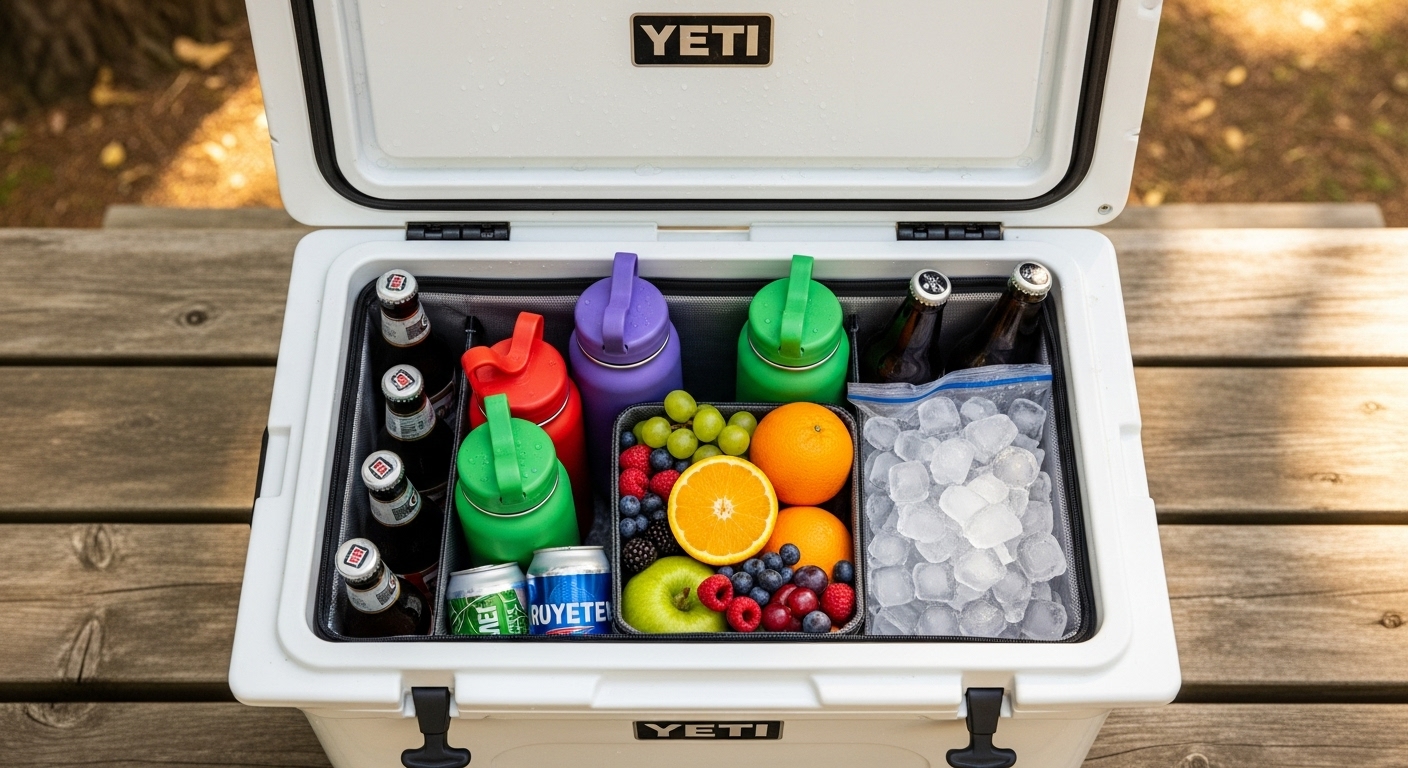
Your unique needs and outdoor lifestyle will ultimately determine which of the Pelican 50QT Elite and Yeti Tundra 50QT is best for you. Although both coolers are high-end, long-lasting, and designed to function well in demanding environments, they each have unique benefits that appeal to certain user types.
The Pelican 50QT Elite is designed to last as long as possible and hold onto ice. Even in heated conditions, the ice will remain frozen for several days thanks to its sturdy polypropylene construction, freezer-grade gasket, and strong 2-inch insulation. For people who need to bring more cans, bottles, or food on lengthy excursions, the Elite model also has a little greater internal volume. The ordinary model’s lack of wheels, a heavier body, and a larger footprint are the trade-offs; when fully laden, it might take two persons to lift.
Premium performance and a somewhat more compact design are features of the Yeti Tundra 50QT. Excellent ice retention is ensured by the ColdLock™ gasket, PermaFrost™ insulation, and rotomolded construction. Its reduced footprint also makes it simpler to put into storage spaces, boats, and cars. Users can be confident in the Yeti’s long-term dependability because of its high-quality hardware and established brand reputation. It costs more and requires physical lifting, just like the Pelican, but its overall usefulness and reliable brand reputation are significant benefits.
In conclusion, if maximum ice life and tough performance are important to you, especially for long excursions, the Pelican 50QT Elite is perfect. Those looking for a reliable brand, portability, and compact versatility would be better served by the Yeti Tundra 50QT. Both options are great, and the choice you make should be based on your intended usage of the cooler and the characteristics that are most important to you on your outdoor excursions.