
Ice chests and soft insulated coolers are the two primary solutions that are discussed when discussing how to keep food and beverages cold during outdoor excursions. Although their functioning, construction, and design make them appropriate for rather different scenarios, both are made to maintain low temperatures and keep freshness. Convenience, performance, and lifestyle are more important considerations when choosing between them than looks alone.
An ice chest, also referred to as a hard cooler, is renowned for its vast storage capacity, excellent insulation, and tough sturdiness. These durable coolers are perfect for extended road trips, fishing outings, and camping trips because they are usually constructed of heavy-duty polyethylene or rotomolded plastic. Perishable food remains fresh even in hot weather because to ice chests that can store ice for several days. But without further assistance, they can be difficult to carry due to their tendency to be heavier and bulkier.
A soft insulated cooler, on the other hand, emphasizes ease and mobility. Soft coolers are made of lightweight, flexible materials like nylon, polyester, or TPU. They include shoulder straps or backpack-style designs, are portable, and fold up for storage. They’re ideal for quick excursions, everyday commuting, and informal beach activities. Soft coolers provide unparalleled comfort and versatility for short excursions, but they can’t match an ice chest’s long-term ice retention.
The insulation performance, durability, portability, and cost of ice chests and soft-insulated coolers are all broken down in this comparison. Selecting the ideal cooler for your upcoming excursion, be it a park picnic or a weekend in the woods, is made simpler by being aware of the advantages and disadvantages of each.
What Is An Ice Chest?
For those who require maximum durability and long-lasting chilling capabilities, the conventional option is an ice chest, often known as a hard-sided cooler. Constructed from robust materials such as polyethylene, stainless steel, or rotomolded plastic, an ice chest is made to withstand harsh environments and sustain inside temperatures for prolonged periods of time. Because of this, it’s a great option for multi-day outdoor activities like camping, fishing, and tailgating.
An ice chest’s exceptional insulation is its defining feature. The majority of contemporary hard coolers have walls and lids made of thick polyurethane foam or injected insulation. Depending on usage and ambient temperature, some models’ sophisticated construction allows them to hold ice for up to five to ten days. When electricity or refrigeration is unavailable, ice chests are the best option for preserving perishable foods, meat, and beverages due to their high efficiency.
Ice chests are renowned for their durable design in addition to their ability to insulate. Many have non-slip feet, rubberized latches, and reinforced hinges to guarantee stability and longevity on rough terrain. For added convenience, some even come with built-in features like locking lids, drain plugs, tie-down points, and cup holders.
Despite their superior performance, ice chests do have several disadvantages. When completely laden, their bulk and weight can make transportation more difficult. They can be difficult to store and frequently need two persons to carry or have built-in handles. An ice chest is still the best option for anyone who values durability, capacity, and maximum cold retention.
To put it briefly, an ice chest is a powerful cooler designed for hard situations and lengthy travel. It provides unparalleled durability and ice retention, making it the perfect choice for people who value dependability and performance above all else.
What Is A Soft Insulated Cooler?
Designed for mobility, ease, and short-term cooling, a soft insulated cooler is a lightweight and adaptable substitute for conventional hard coolers. Soft exterior shells composed of polyester, nylon, or thermoplastic polyurethane (TPU) are used in the construction of these coolers. Depending on use and the environment, they include a leak-resistant liner and multi-layered foam insulation inside that helps keep the temperature cool for a few hours to a whole day.
Soft coolers are ideal for everyday commuting, sporting events, beach visits, day getaways, and picnics. The majority of models have handles, padded shoulder straps, or backpack-style straps for hands-free transportation, and their small size makes them easy to carry. Soft coolers, as opposed to large hard coolers, are a great choice for those who appreciate space efficiency because they can be stored in car trunks, kayaks, or even beneath desks.
Soft coolers’ adaptability and ease of storage are further benefits. Many types fold flat or collapse when not in use, saving room for storage at home or in a car. Additionally, they are lightweight, which facilitates handling when loaded with snacks or beverages. In order to store utensils, napkins, or small items, many brands additionally feature additional pockets, watertight zippers, and easy-access tops.
In contrast to hard ice chests, soft insulated coolers have drawbacks. They are more likely to deteriorate over time and lose their ability to hold ice for several days. The structure and insulation are not designed to withstand harsh conditions or frequent use.
All things considered, people who require simplicity, portability, and short-term cooling rather than all-day ice retention would benefit greatly from a soft insulated cooler. It is the preferred choice for anyone who prioritizes portability and lightweight mobility over tough performance.
Important Distinctions Between Soft Coolers and Ice Chests
Knowing the main distinctions between an ice chest and a soft insulated cooler will help you choose the one that best suits your cooling requirements and way of life. Despite having the same function—keeping contents cold—they differ significantly in terms of design, insulation, mobility, and durability.
- Insulation & Ice Retention: When it comes to ice retention, ice chests perform better than soft coolers. Airtight gaskets and thick polyurethane foam insulation are common features of hard coolers, which can keep ice fresh for five to ten days. Conversely, soft coolers, which are ideal for quick trips, use foam cushioning and flexible liners to keep cold for a few hours to a day.
- Durability: Rotomolded plastic or other sturdy materials that withstand knocks, abrasions, and harsh conditions are used to make ice chests. Because of its flexible fabric design, which is more likely to rip, tear, and leak over time, soft coolers are less durable.
- Size & Capacity: Ice chests are perfect for lengthy excursions or family camping because they can carry anything from 20 to more than 100 quarts. Soft coolers, which are intended for smaller gatherings or individual use, usually have capacities between 6 and 40 gallons.
- Portability: In this category, soft coolers are the best. They are easy to carry, lightweight, and frequently have handles or straps that are padded. Even though they are strong, ice chests can be heavy and unwieldy, especially when loaded with drinks and ice.
- Price Range: Soft coolers typically range from $30 to $100, making them more reasonably priced. Ice chests can cost anywhere from $100 to over $400, depending on the brand, capacity, and level of insulation.
In conclusion, soft coolers provide mobility and convenience, whereas ice chests offer better performance and durability. How long you need to keep things cold and how portable you want your cooler to be will determine your option.
Pros and Cons
Soft insulated coolers and ice chests each offer special advantages and disadvantages. How, where, and how long you intend to use your cooler will determine the option you choose. Selecting the type that best suits your lifestyle can be made easier by being aware of the advantages and disadvantages of each.
Pros of an Ice Chest
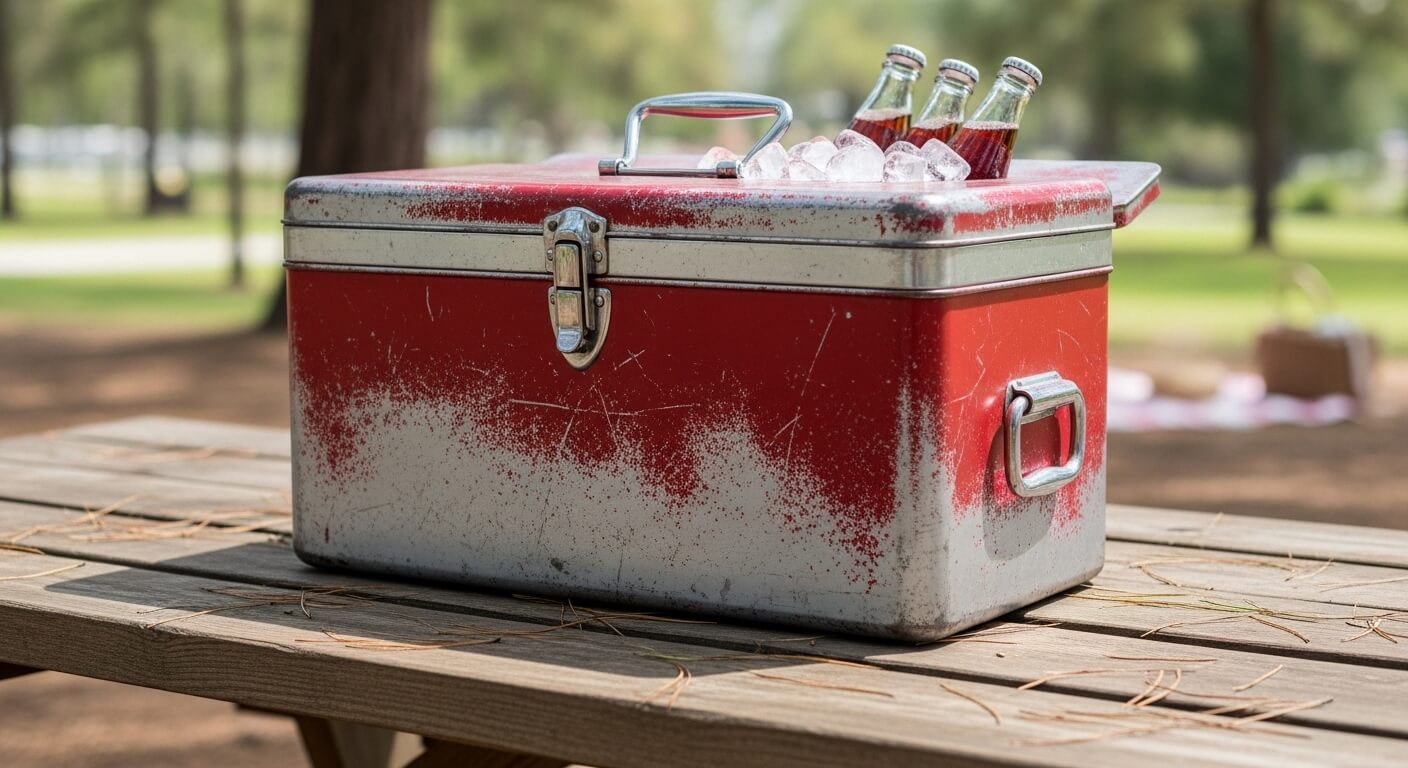
- Superb Ice Retention: Ice chests are ideal for camping or lengthy road journeys because of their sealed lids and strong insulation, which can keep contents cold for up to five to ten days.
- High Durability: Made of durable materials like stainless steel or rotomolded plastic, they can resist outdoor environments, impacts, and severe use.
- Large Capacity: Ice chests are ideal for families or parties because they are available in a variety of sizes and may frequently contain 40 to 100 quarts or more.
- Additional Features: For convenience, several versions come with non-slip bases, locking lids, and drain plugs.
Cons of Ice Chest
- Heavy and Bulky: They can be challenging to lift and move when loaded with food and ice.
- Hard coolers require storage space because they are unable to fold or compress when not in use.
- Higher Price Point: Because of their superior construction and insulation, premium versions may be more expensive.
Pros of a Soft Insulated Cooler
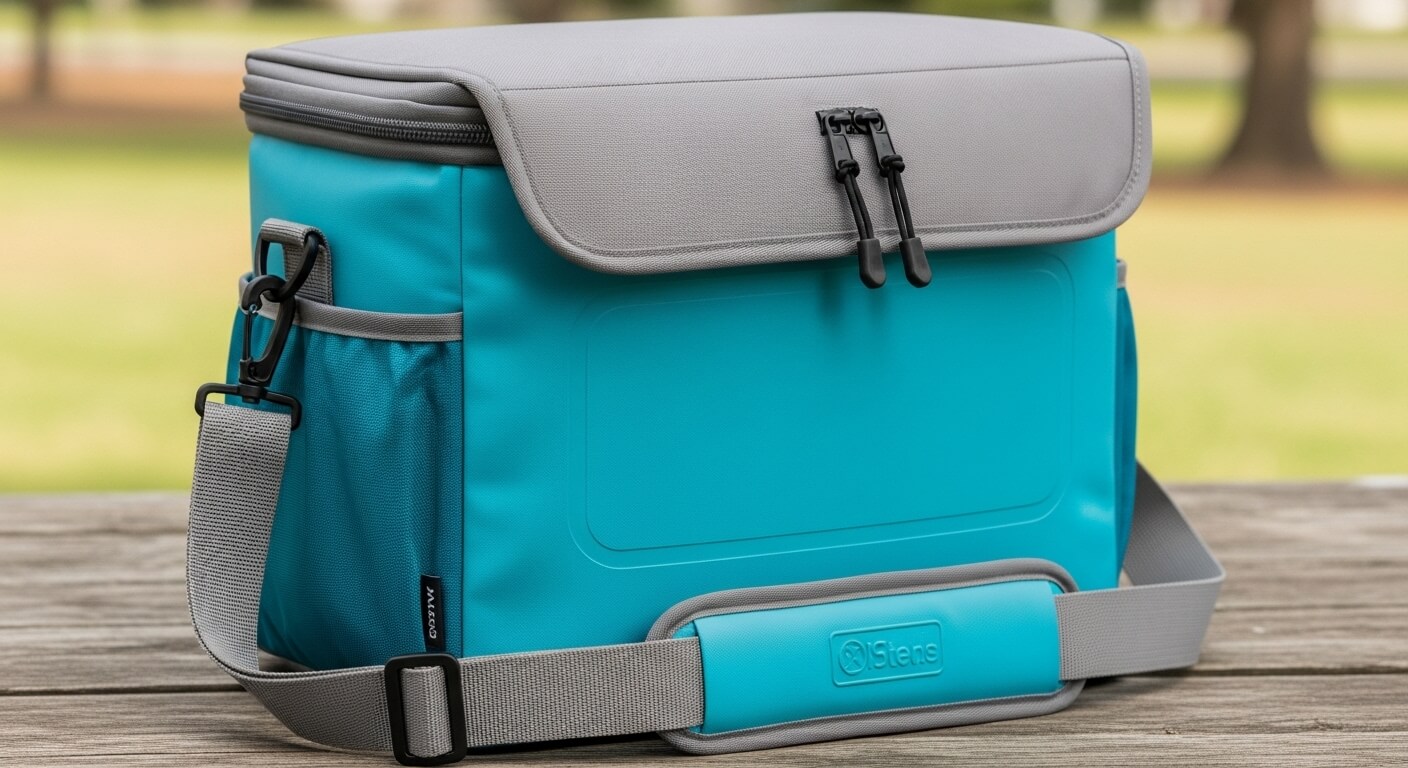
- Portable and lightweight: Shoulder straps or backpack-style handles make it simple to carry.
- Space-Saving Design: When empty, the majority fold flat or collapse for easy storage.
- Affordable: Usually less expensive than hard coolers, these units provide sufficient short-term cooling.
- Fast Access: Snacks and beverages are easily accessible thanks to magnetic lids or flexible zippers.
Cons of a Soft Insulated Cooler
- Shorter Ice Retention: Only a few hours to a day are needed to keep the contents cold.
- Less Durable: Materials made of fabric are more likely to rip and leak.
- Limited Capacity: Ideal for small-group or individual use.
What Should You Pick?
How and where you intend to use it will determine whether you should get a soft-insulated cooler or an ice chest (hard-sided cooler). A hard ice chest is usually a preferable choice if you’re preparing for extended weekend camping trips, boating excursions, or fishing excursions when you’ll be apart from conveniences for a few days. Hard-sided coolers “are rugged, built for durability, and designed to keep your food and beverages cold for multi-day trips,” according to one gear guide.
A soft insulated cooler, on the other hand, provides mobility and simplicity with sufficient cooling for shorter periods of time if you’re mostly packing for day vacations, beach outings, tailgating, or the daily commute. Soft-sided coolers “are ideal for short-term use, convenience, and lighter loads,” according to one expert piece, but they “don’t match the ice-retention of hard-sided models.”
Additional considerations include the number of people in your group, the location of the cooler (car trunk, boat deck, hiking route), the frequency of use, and your budget. For example, a soft-insulated cooler would be the ideal option if you only use it occasionally throughout the year and for quick hikes. Purchasing a high-performance hard cooler makes sense if you enjoy the outdoors or camp frequently.
In the end, match your selection to your use case: the soft insulated cooler for flexibility and light weight; the hard ice chest for endurance and capacity.
Conclusion
Soft insulated coolers and ice chests both aim to keep your food and beverages cold, but they accomplish this in rather different ways. An ice chest is distinguished by its long-lasting performance, sturdy design, and excellent insulation. It is the preferred option for outdoor activities when durability and ice retention are crucial, such as multi-day camping vacations and tailgating.
Conversely, a soft insulated cooler excels in terms of portability and ease of use. It is portable, lightweight, and convenient for everyday commuting, beach excursions, picnics, and short excursions. It provides unrivaled ease of use and storage versatility, but it doesn’t keep things cold for as long as a hard cooler.
In summary, your priorities and way of life will determine the best cooler. An ice chest is a good choice for people who require durability and prolonged cooling power. A soft, insulated type would be appreciated by those who seek portability and minimal weight for temporary cooling.
There is no one “best” option when comparing ice chests with soft-insulated coolers; rather, you should choose the one that best suits your needs. Consider how much weight you can manage, how far you’ll be travelling, and how long you’ll need to keep things cool. Every excursion will be more pleasant, easier, and cooler with the correct cooler.