
Pets can also have difficulties on hot days, just as people. Pets are more susceptible to heat stress and dehydration than people because they regulate their body temperature differently. To ensure your pet’s comfort and safety on a hot day, you must understand how they stay cool.
For instance, dogs mostly use panting to expel heat. Dogs don’t have sweat glands all over their body as people do. They mostly perspire through their paw pads instead, which is insufficient to control body temperature on its own. They may cool their blood and assist in maintaining a healthy body temperature by panting, which enables them to expel moisture from their respiratory system.
Cats, on the other hand, deal with heat by reducing activity, sleeping in shaded spots, and grooming. They must seek out cool surfaces and preserve energy during the hottest portions of the day since they have few sweat glands, which are mostly found on their paw pads.
Birds, guinea pigs, rabbits, and other small animals have unique ways of staying cool. They frequently flap their wings to disperse extra heat, stretch out to increase ventilation, or lie on cool surfaces. These dogs’ ability to regulate their body temperature is also greatly influenced by grooming and behavioural changes.
Understanding these innate cooling activities is essential for pet owners. Pets stay healthy and comfortable when heat stress symptoms are recognized and supporting measures like water, shade, and cooling devices are given.
This tutorial explains how pets naturally control their body temperature, what signs point to coolness, and how owners can support their pets. Pet owners can keep their furry and feathery friends from overheating and guarantee a fun, safe summer by being aware of these mechanisms.
Understanding How Pets Handle Heat
Pets use special physiological and behavioral adaptations to control their body temperature, handling heat in a different way than people. Owners can determine when a pet is comfortable and when assistance is required by being aware of these mechanisms.
Due to their inability to perspire over the majority of their bodies, dogs are especially vulnerable to hot temperatures. Their main cooling mechanism is panting, which lowers body temperature by allowing moisture in the respiratory system to evaporate. During the hottest parts of the day, dogs may also sleep on cold surfaces, seek out shade, or lessen their activity. Some breeds are more likely to overheat because of restricted ventilation and ineffective panting, particularly those with short noses like bulldogs and pugs.
Cats use behavioral techniques to maintain their composure. Their natural tendency is to limit physical activity during periods of high heat and to rest in cool or shaded settings. Because the evaporation of fur’s saliva produces a slight cooling effect, grooming is essential. Similar to dogs, cats mostly have sweat glands on their paw pads, which help regulate their body temperature just little.
Rabbits and guinea pigs are examples of small mammals with thin coats and little sweating capacity. To cope with the heat, they frequently burrow, sprawl out on cool floors, or look for places with shade. Additionally, grooming practices aid in saliva distribution for mild evaporative cooling.
Birds use their wings to disperse extra heat and pant to control their body temperature. Regular flapping, a characteristic that helps remove moisture from the mouth and throat and promotes quick cooling, is exhibited by certain species.
Pet owners can determine how well their animals are handling the heat by watching these natural actions. Since pets cannot express their distress way people can, it is important to be aware of these adaptations. Preventing heat stress, keeping pets safe, and making sure they stay comfortable on hot days all start with an understanding of how pets react to heat.
Natural Cooling Methods in Pets
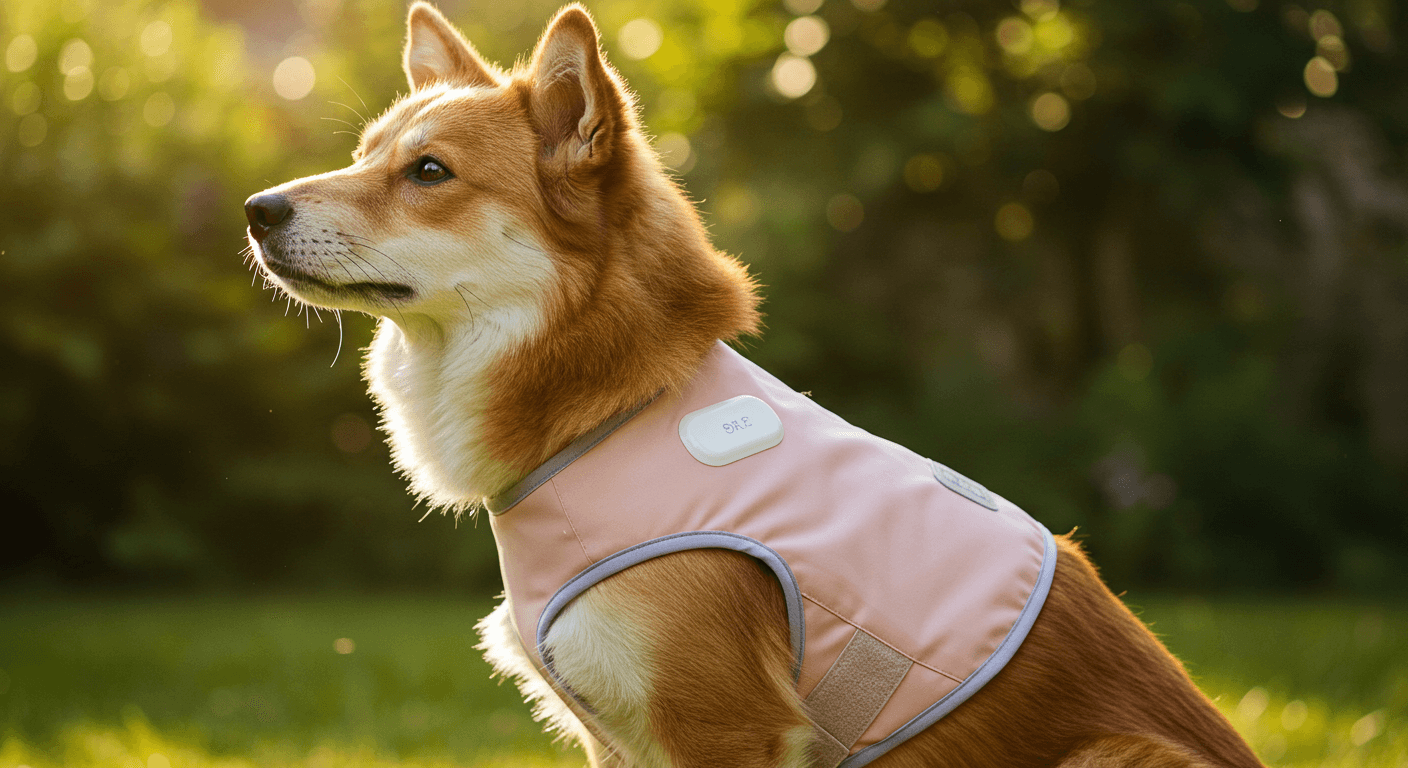
Pets have evolved a number of innate coping mechanisms to deal with heat and keep their body temperatures within a safe range. Owners can better support their pets on hot days by recognizing these characteristics.
The most common way that dogs cool themselves is by panting. Breathing quickly causes more moisture in the respiratory system to evaporate, which lowers blood temperature. To increase airflow, dogs may also open their jaws wide and stretch their tongues. Because their bodies find it difficult to cool effectively, breeds with thick coats or short snouts may pant more regularly.
Another natural strategy is to look for cool surfaces and shade. In order to release heat, dogs, cats, and small mammals frequently sleep on concrete, tile, or other cool surfaces. Animals will instinctively seek out shady spots both indoors and out during hot weather, avoiding direct sunlight.
Pets can save energy and lessen heat production by making behavioral adjustments. During warmer weather, dogs and cats tend to slow down or snooze frequently. To reduce effort, small mammals, such as rabbits, stay motionless in burrows or in areas with shade. To prevent overheating, birds may restrict wing movement or perch in locations with shade.
Particularly in cats and small mammals, grooming and moisture evaporation help regulate body temperature. The slow evaporation of saliva on fur produces a cooling effect. Similar to this, some birds employ gular fluttering, which is characterised by quick neck motions that facilitate effective heat release and moisture evaporation.
Hydration and decreased activity are crucial. When it’s hot outside, pets naturally consume extra water and avoid vigorous exercise. Pets can withstand high temperatures thanks to a mix of physiological and behavioral reactions, but severe heat can still be dangerous.
Owners can determine whether their pets are properly managing heat by being aware of these natural cooling techniques. These natural tendencies are complemented by extra assistance, like as cooling mats, fresh water, or spaces with shade, which keep pets safe, happy, and healthy on hot days.
Owner Support: Helping Pets Stay Cool
Although pets naturally cope with heat, owners are essential to ensuring their safety and comfort on hot days. By offering assistance, major health hazards, including heatstroke, dehydration, and heat stress, can be avoided.
Fresh water access is crucial. Clean, cold water should always be supplied for pets, especially in warm weather. Although cats like shallow, easily accessible dishes, dogs may benefit from having several water bowls both indoors and outdoors. Birds and small mammals also need to stay hydrated all the time to keep their bodies at the right temperature.
Pets benefit from shaded areas since they may avoid direct sunshine. Pets kept outdoors should have access to trees, covered spaces, or shade structures. Pets can have comfortable places to relax indoors by employing fans, cooling mats on the floor, or closed curtains.
Natural approaches can be improved with cooling accessories. Pet-safe fans, moist towels, and cooling mats are a few items that can assist in controlling body temperature. Some dogs like to splash in little kiddie pools or shallow water, which gives them exercise and a cooling effect.
For safety, stay away from hot surfaces and during periods of high heat. Dogs’ paw pads may get burned when they walk on hot pavement, and extended exposure to bright sunlight raises the possibility of hyperthermia. It is safer to go for walks in the early morning or late at night.
Timely intervention is ensured by behavior monitoring. Excessive panting, drooling, sluggishness, or erratic movements are symptoms of heat stress. Small mammals may become unusually motionless or restless, while birds may hold their wings away from their bodies. Serious difficulties can be avoided with prompt action, such as transferring pets to cooler locations, providing water, or using damp cloths.
Pets can safely enjoy the summer by combining their natural cooling habits with assistance from their owners. Even on the hottest days, pets may stay healthy, comfortable, and active if their requirements are recognized and cared for consistently.
Warning Symptoms of Pet Overheating
Preventing heat-related disorders in pets requires knowing the warning signs of overheating. Since pets are unable to express their displeasure verbally, owners must be watchful and proactive.
In dogs, panting and drooling are frequently the initial symptoms of heat stress. Although panting aids in controlling body temperature, it is a sign that a pet is having difficulty cooling down if it becomes heavy, fast, or accompanied by drooling. Although it happens less frequently, cats may also pant when under a lot of heat stress.
Weakness and lethargy are signs that high temperatures are putting stress on a pet’s health. Pets may exhibit slow, uncoordinated movements, a reluctance to move, or more lying down than usual. Small mammals may exhibit extraordinary stillness or a persistent desire for cool surfaces.
Severe hyperthermia may result in vomiting or diarrhoea. Together with weakness and panting, these signs show that the body is having trouble maintaining regular function. Signs in birds can include drooping feathers, weak breathing, or holding wings away from the body.
Uncoordinated movements and a fast heartbeat are warning signs of heat stress. Pets may have trouble standing, tripping, or falling. Heatstroke can be fatal and must be avoided with immediate cooling and drinking.
Overheating may also be indicated by behavioural changes, including restlessness, agitation, or strange vocalizations. Pets may scratch at regions that are shaded, aggressively seek water, or attempt to avoid heat sources.
Moving the pet to a cooler location, giving them tiny quantities of water, using cool (not ice-cold) towels, and employing fans to increase airflow are all examples of immediate actions. It’s crucial to call a veterinarian right away in extreme cases. Pet owners can take prompt action to safeguard their animals by being aware of these warning indicators. Serious health issues can be avoided with early detection and timely care, keeping pets safe, comfortable, and healthy during hot weather.
Conclusion
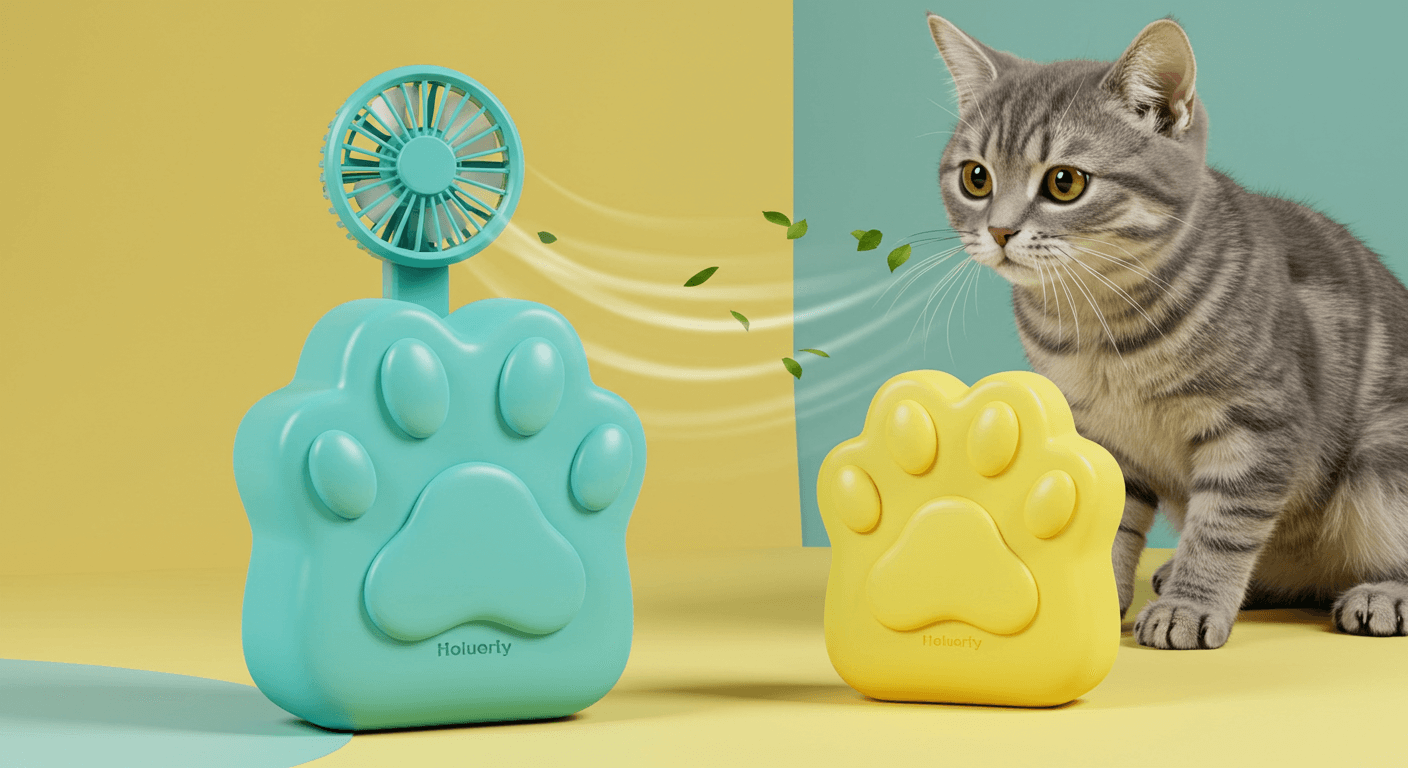
In order to stay cool on hot days, pets have developed special coping mechanisms that combine instincts and natural behaviours with physical adaptations. Cats employ rest, grooming, and minimal movement to control body temperature, but dogs use panting and the search for cool, shady locations. Specialized techniques, such as stretching out, digging burrows, or fluttering regularly, are used by small mammals and birds to expel extra heat.
Every pet owner should be aware of these natural cooling techniques. Pet owners can determine whether their animals are adequately managing heat by observing behaviors like panting, seeking shade, or resting on cold surfaces. Even though they may seem calm, pets that exhibit mild symptoms of heat stress such as lethargy, drooling, or heavy panting, need to be attended to right away.
Pet owners are crucial in helping their animals stay cool in hot weather. Pets’ natural methods are supplemented by providing fresh water, shaded locations, cooling accessories, and avoiding intense activity during high heat hours. Serious illnesses like heatstroke, dehydration, or organ damage can be avoided with early action when overheating symptoms develop.
Pets can safely enjoy warm weather if their owners are diligent in supporting their natural cooling instincts. Pet comfort and health can be greatly improved by taking small steps like keeping an eye on hydration, modifying activity levels, and setting up cool resting areas.
Pets don’t have to be at risk on hot days. Dogs, cats, birds, and small mammals can all have a safe body temperature and enjoy the summer months if their owners pay close attention to them and take good care of them. Pets can flourish in a safe, pleasant environment even during hot weather if the proper support is given and the pet’s cooling mechanisms are understood.