
In order to keep homes, workplaces, and public areas cool during hot weather, air conditioning has become a necessary component of modern life. A lot of people are interested in learning how air conditioners work and whether they run on gas because of growing energy prices and environmental consciousness. Homeowners may make more informed decisions regarding sustainability, affordability, and efficiency by knowing how much energy air conditioners use.
Many people believe that since gas is frequently used in homes for heating, it may also be used to power cooling systems. The majority of air conditioners actually run on electricity, absorbing heat from interior air and releasing it outdoors through a refrigeration cycle. Nonetheless, natural gas or propane can be used directly for cooling or as a component of a hybrid system that mixes heating and cooling in some HVAC system types and specialty air conditioners. This discrepancy frequently leads to misunderstandings, especially when gas fuels and refrigerants are mentioned together.
Understanding whether an air conditioner runs on gas or electricity is more than just a technical aspect; it has an impact on environmental impact, energy costs, and appliance longevity. Additionally, it assists homeowners in understanding prospective maintenance needs, optimizing energy use, and choosing the best system for their house.
This article will explain the function of gas in cooling, examine the various kinds of air conditioners that are available, and examine how air conditioning systems operate. We will also dispel common misconceptions regarding gas and air conditioning use and emphasize energy-efficient habits. By the conclusion, you’ll know exactly how your air conditioner works and how to pick the most energy-efficient model for your house or place of business.
How Air Conditioning Works
By eliminating heat from the air and preserving a reasonable temperature, air conditioning systems are made to cool indoor areas. Although the designs of many AC unit types varies, they are always based on the same fundamental idea: the refrigeration cycle. It becomes clearer why most air conditioners don’t use gas directly when you understand this procedure.
A refrigerant, a unique fluid that absorbs heat from the indoor air, is at the center of the system. Between the outside condenser and the indoor evaporator coil, the refrigerant travels in a closed loop. The refrigerant in the evaporator cools the interior by absorbing heat from the air. After that, it travels to the condenser, where a fan is usually used to expel the heat that has been absorbed outside.
This cycle is powered by electric compressors and fans, which is why the majority of air conditioners are electric. The AC unit itself typically uses electricity, even in homes with natural gas heating. Although there may be chemical compounds in the refrigerant, these are not flammable fuels; rather, they just help transfer heat.
Although they are rare in residential settings, some specialist systems, such as absorption chillers or hybrid gas-electric units, use natural gas to power a portion of the cooling process. The majority of homes will come across electric-powered systems, such as split, window, or central air conditioning.
Energy efficiency requires an understanding of this process. Homeowners can make well-informed decisions regarding system type, maintenance, and energy-saving techniques by being aware that the cooling cycle is powered by electricity and that gas is rarely used. It also explains the differences between combustible fuels and refrigerants, which are frequently misconstrued in conversations about air conditioning. In the following section, it will be simpler to examine the many kinds of air conditioners and how gas may or may not be used in each.
Air Conditioner Types
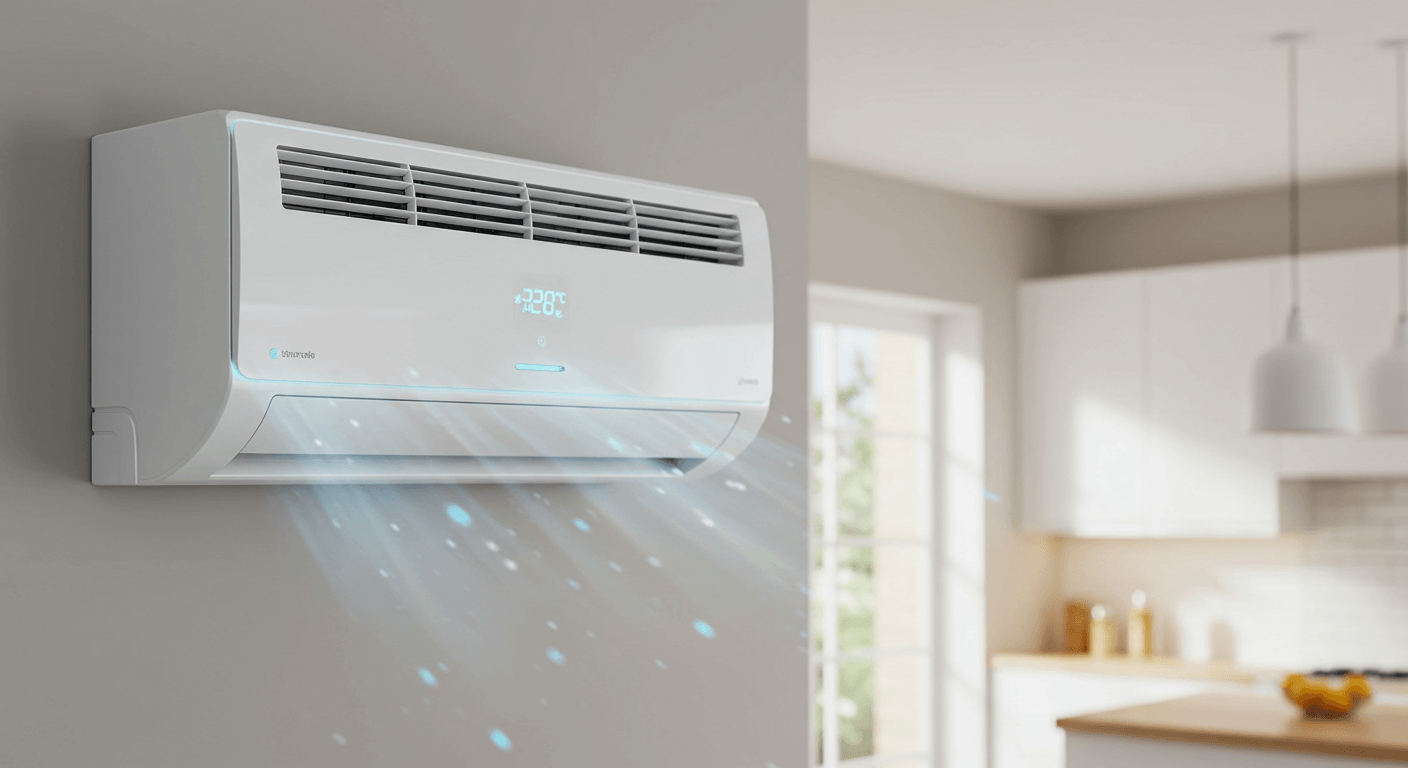
There are several varieties of air conditioners, each with unique characteristics and power sources. Knowing the distinctions can help you decide if a system should run purely on electricity or gas.
- Central air conditioner
Large buildings and households are most likely to have central air conditioning systems. They disperse cooled air around the property via a system of ducts. Electricity powers the compressors and fans in these systems, which are mostly electric. While natural gas may be utilized for heating in certain hybrid HVAC systems, electric cooling is nearly always used.
- Window Air conditioners
Compact systems made for single rooms are window units. They run solely on electricity, which is obtained from a typical home socket. They don’t use gas; instead, they employ a tiny refrigerant cycle to extract heat from the air. Window units are practical, reasonably priced, and appropriate for smaller apartments or renters.
- Split Systems
An outdoor conden ser and an inside unit make up split systems. The external unit releases heat, and the internal unit distributes air. Like central systems, the majority of split air conditioners are electric. While gas-driven components are rare in home settings, certain sophisticated versions in business settings may have them.
- Absorption or Gas-Powered Air Conditioners
While uncommon, some systems create cooling using propane or natural gas. These absorption chillers are more frequently used in commercial or industrial settings where electricity costs are high or scarce. Rather than using a traditional electric compressor, they use the heat generated by gas combustion to power the cooling process.
- Portable Air conditioners
Small, electric-powered gadgets that are portable are able to be carried from one room to another. Instead of using gas, they usually utilize a hose to exhaust hot air outdoors.
Knowing these kinds makes it evident that the majority of air conditioners are electric, with only specialized or hybrid systems using gas. Homeowners can use this information to make well-informed decisions on expenses, environmental effect, and efficiency.
Do Most Air Conditioners Use Gas?
The majority of air conditioners don’t use gas, therefore the quick answer is no. The majority of electricity used in residential and commercial cooling systems powers compressors, fans, and refrigerant cycles, which extract heat from indoor air. Common misunderstandings about air conditioning can be cleared up by knowing why gas is rarely utilized.
The refrigeration cycle can be dependable and effectively powered by electricity. This procedure produces a cooling effect by absorbing heat from indoor areas and releasing it outdoors through the use of a refrigerant. Electricity, as opposed to gas, enables exact control over system efficiency, fan speed, and temperature. For this reason, instead of using natural gas or propane, central air systems, window units, split systems, and portable air conditioners all use electricity.
However, there are several exceptions. Certain specialist systems, such hybrid HVAC units or absorption chillers, can run on propane or natural gas. Instead of employing a traditional electric compressor, these systems use gas to generate heat that propels a chemical reaction to cool the air. These configurations are rarely seen in residential settings, though, and are typically seen in commercial or industrial settings with expensive electricity bills or inadequate electrical infrastructure.
The HVAC system’s cooling component is still electric, even in homes with gas heating. Because refrigerants are occasionally confused with fuel, confusion frequently results. Unlike natural gas, refrigerants are compounds that transport heat rather than burning.
Most air conditioning systems are powered by electricity, therefore using gas for regular cooling is essentially unneeded. By being aware of this distinction, homeowners can avoid misconceptions regarding the types of fuel used in contemporary air conditioners and make well-informed decisions regarding system selection, energy efficiency, and environmental effect.
Pros and Cons of Gas vs. Electric Air Conditioning
Understanding the benefits and drawbacks of gas and electric air conditioning systems is crucial for cost, environmental impact, and energy efficiency.
Electric Air Conditioning
Pros:
- Efficiency: With accurate temperature control and rapid cooling, electric air conditioning systems are incredibly effective.
- Availability: In both home and commercial contexts, electricity is widely available.
- Maintenance: Compared to gas-powered systems, electric equipment usually require less complicated maintenance.
- Safety: There is no chance of combustion dangers or gas leakage.
Cons:
- Energy Costs: In certain places, electricity costs more than natural gas, which raises monthly rates during the hottest cooling seasons.
- Environmental Impact: Depending on the energy source, the production of electricity may consume fossil fuels, which indirectly increases greenhouse gas emissions.
Gas-Powered Air Conditioners
Pros
- Fuel Cost: In some areas, natural gas might be less expensive than electricity, which could reduce operating expenses.
- Alternative Energy: In areas with inadequate electricity, gas-powered absorption systems can supply cooling.
Cons:
- Rarity: The lack of gas-powered air conditioners in homes restricts the range of options available.
- Complexity: Systems need specialist maintenance since they are more mechanically complicated.
- Safety concerns: Leaks and carbon monoxide threats are among the possible concerns associated with combustion.
- Environmental Issues: Natural gas combustion increases the carbon footprint by releasing greenhouse gasses.
Electric air conditioners continue to be the most sensible option in the majority of houses because they balance accessibility, safety, and efficiency. Generally speaking, gas-powered systems are only used in commercial or industrial settings where electricity may be costly or scarce.
Knowing these benefits and drawbacks enables homeowners to choose the best cooling system for their area and way of life while also reducing energy costs and ensuring long-term sustainability.
Tips for Energy-Efficient Cooling
Optimizing air conditioning’s energy efficiency lowers its negative effects on the environment in addition to lowering electricity costs. By adhering to certain guidelines, you can keep your house cool without wasting energy, regardless of whether your system is powered by electricity or a hybrid configuration.
1. Make use of smart or programmable thermostats.
Throughout the day, precise temperature management is possible with programmable thermostats. Unnecessary energy use is decreased by raising the temperature when the house is empty and decreasing it when people are inside. Smart thermostats maximize cooling efficiency by automatically adjusting to your schedule.
2. Regularly maintain your air conditioner
The system runs effectively with routine maintenance, which includes coil inspections, refrigerant level checks, and filter cleaning or replacement. Dirty parts and clogged filters make the air conditioner work harder, which uses more electricity.
3. Insulate and seal your house
Cool air cannot escape if windows, doors, and ducts are properly sealed and insulated. Longer indoor temperatures are maintained in well-insulated homes, which eases the strain on your air conditioner.
4. Enhance Airflow
Make sure that no furniture or drapes are obstructing vents or registers. The system may more efficiently and comfortably disperse cool air when there is proper airflow.
5. Use Energy-Efficient Units
Select air conditioners with high SEER (Seasonal Energy Efficiency Ratio) ratings when replacing or updating your air conditioner. While maintaining the same level of cooling, high-efficiency versions use less electricity.
6. Reduce Heat Sources Indoors
Limit the use of heat-generating appliances, like ovens or dryers, during peak cooling hours. Using fans strategically can also complement your AC system and reduce energy use. Avoid using heat-producing appliances, such as dryers or ovens, during the hours when cooling is most effective. Strategic fan use can lower energy use and enhance your air conditioning system.
Homeowners can reduce their energy expenses and environmental effect while maintaining pleasant indoor temperatures by putting these suggestions into practice. By extending the air conditioner’s lifespan and offering long-term savings, energy-efficient methods make it simpler to enjoy dependable cooling without incurring needless costs.
Common Misconceptions About Air Conditioning and Gas
Confusion over energy sources, especially gas use, is frequently sparked by air conditioning. Contrary to what many people think, air conditioners rarely use natural gas or propane in residential settings. Knowing the facts enhances energy decision-making and helps avoid false information.
Misconception 1: All Air Conditioners Use Gas
Compressors, fans, and refrigerants are used by most electrically powered air conditioners to chill indoor air. Gas-powered devices, like absorption chillers, are mostly found in commercial or industrial settings and are rarely found in residences.
Misconception 2: Refrigerants Are a Type of Gas Fuel
Combustible gases and refrigerants are frequently mistaken. Refrigerants are actually chemical substances that transfer heat during cooling; they don’t burn or produce fuel. They serve a very different function than natural gas.
Misconception 3: Gas-Powered AC Units Are More Efficient
Gas-powered air conditioners are not necessarily more energy-efficient than electric ones, even if natural gas may be less expensive in some areas. Electric systems frequently offer more accurate temperature control, quicker cooling, and less maintenance.
Misconception 4: Gas Use in AC Reduces Electricity Bills
This claim is deceptive because the majority of residential air conditioners don’t use gas. Gas only plays a small or indirect part in cooling, with electricity still serving as the major power source, even in hybrid systems.
Misconception 5: Gas AC Units Are Safer for the Environment
Gas-powered air conditioners are less environmentally beneficial than contemporary electric systems due to the greenhouse gases produced during natural gas combustion, especially when electricity is generated from renewable sources.
By dispelling these myths, homeowners are better equipped to choose cooling systems. Better decisions about energy efficiency, safety, and environmental impact are ensured when one realizes that almost all domestic air conditioners are powered by electricity.
Conclusion
Making wise choices about energy, expenses, and efficiency requires knowing if air conditioners use gas. Compressors, fans, and refrigerants all work together to chill indoor spaces in the majority of domestic air conditioners, which are fully powered by electricity. Absorption chillers and other gas-powered machines are uncommon and usually only used in commercial or industrial settings.
By making this distinction clear, homeowners can steer clear of frequent misunderstandings. Gas is not a common component of residential cooling systems, and refrigerants are not flammable fuels. Most homes prefer electric air conditioners because of their accurate temperature control, dependable performance, and often minimal maintenance requirements.
Energy-efficient techniques lessen their influence on the environment while improving performance even further. Smart thermostats, high-efficiency units, adequate insulation, and routine maintenance can all reduce electricity use and increase comfort. Homeowners may make better decisions, reduce energy costs, and keep their interior spaces safe and comfortable by knowing how air conditioners work and the restricted role of gas.
In the end, being aware that most air conditioners are powered by electricity guarantees clarity when choosing systems, organizing improvements, or putting energy-saving measures into action. Homeowners who are aware of this truth are more equipped to successfully balance sustainability, affordability, and comfort.