
In addition to offering respite from hot weather, poorly maintained air conditioners can serve as havens for black mold. Stachybotrys chartarum, the scientific name for black mold, grows best in moist, humid conditions. Growing inside an air conditioner not only reduces the unit’s effectiveness but also puts the health of those living inside in danger. For sensitive people, exposure to black mold spores can cause headaches, allergies, respiratory problems, and even more serious difficulties.
Mold in an air conditioning system is sometimes overlooked until it spreads widely or emits a strong musty smell. Particularly in filters, evaporator coils, and air ducts, the collection of dust, debris, and moisture provides the ideal conditions for the formation of mold. Neglecting these indicators may result in poor indoor air quality and long-term health issues.
Fortunately, with the correct information and procedures, black mold in air conditioners can be successfully eliminated and avoided. To reduce the danger, homeowners should take preventive measures like routine cleaning, adequate ventilation, and humidity management. To guarantee total mold removal in cases of severe infestation, professional HVAC services could be required.
Everything you need to know about black mold in air conditioners will be covered in this book, including how it develops, what symptoms to look out for, safe removal techniques, and how to stop it from growing in the future. Homeowners can keep their air clean, safeguard their family, and prolong the life of their air conditioning systems by being aware of these considerations. Black mold doesn’t have to jeopardise your home’s comfort or health if you take the right care of it and are vigilant.
What Is Black Mold?
Stachybotrys chartarum, the official name for black mold, is a kind of fungus that grows best in moist, humid conditions. It can develop on surfaces like walls and ceilings as well as inside HVAC equipment, such as air conditioners, and frequently manifests as dark green or black spots. In contrast to other forms of mold, black mold is especially dangerous due to the possible health hazards it presents to people.
Numerous symptoms can be brought on by exposure to black mold spores, especially in people who have compromised immune systems, allergies, or asthma. Coughing, sneezing, watery eyes, skin irritation, and respiratory discomfort are typical reactions. Long-term contact can cause more serious problems, such as recurring sinus infections, flare-ups of asthma, or even toxic reactions in sensitive people. Because of this, prompt detection and elimination are essential to preserving the quality of indoor air.
Wherever there is an accumulation of moisture, black mold grows. The perfect environment for development is produced by leaks, condensation, high humidity, and inadequate ventilation. Debris and dust can provide mold with the nutrition it needs to grow. If air conditioners are not serviced on a regular basis, they may inadvertently turn into black mold breeding grounds because they are constantly moving air and moisture.
The first step in preventing and treating black mold in your home is being aware of what it is and the dangers it presents. Homeowners may take preventative action to keep their air conditioning systems safe and clean by being aware of its symptoms and understanding how it develops.
How Black Mold Forms in Air Conditioners
Because air conditioners are warm, humid, and dusty, black mold often grows there. Condensation is a natural byproduct of air conditioning systems. This moisture can build up in places like ducting, drop pans, and evaporator coils, which creates the moist environment mold needs to grow. This water creates the ideal environment for mold spores to grow if it is not adequately drained or evaporated.
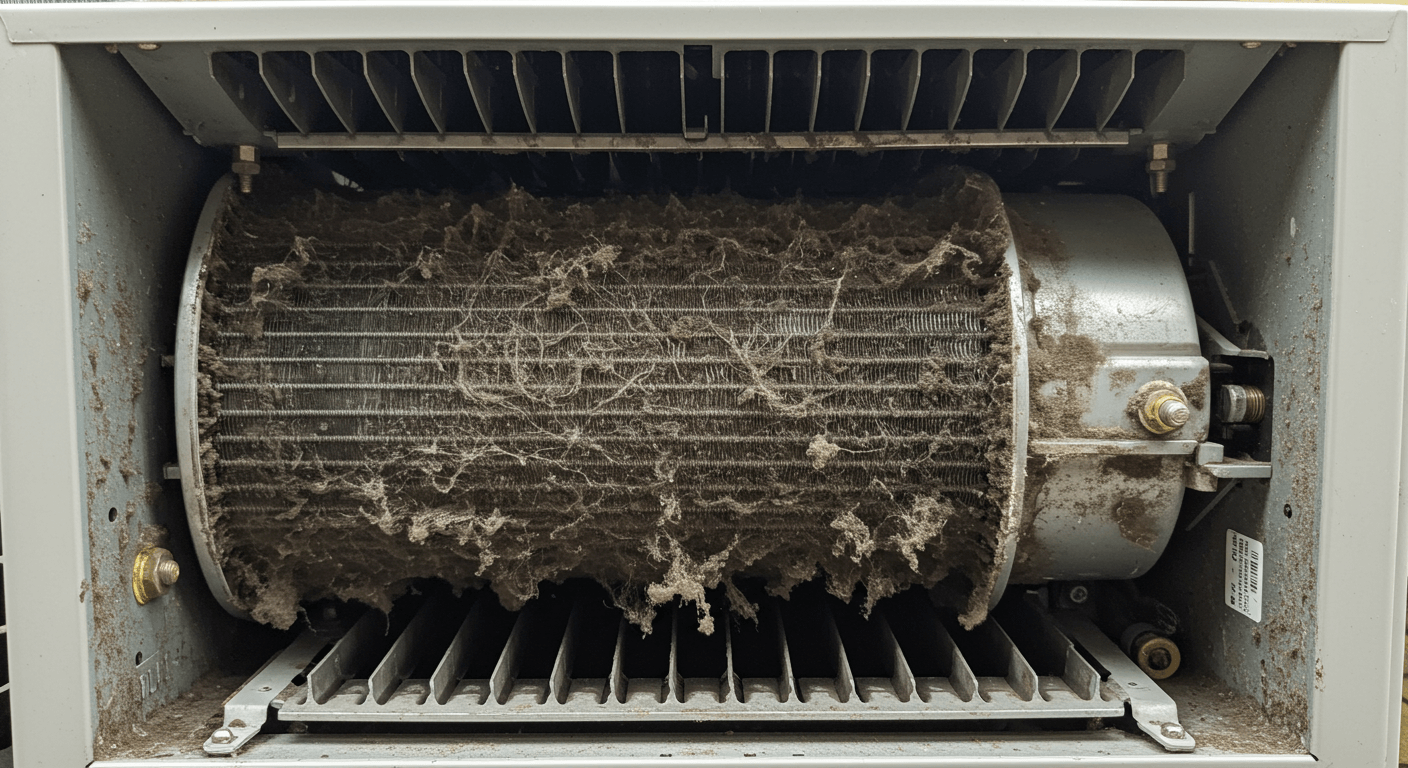
Mold growth is also facilitated by airborne dust, dirt, and debris. Mold colonies can grow thanks to the nutrition these particles provide when they settle on coils, filters, and inside ducts. If left untreated, even tiny amounts of dust and moisture can eventually result in serious mold infestations.
The issue is made worse by clogged filters and inadequate airflow. When filters are not changed on a regular basis, ventilation is restricted, which leads to more condensation and damp spots where mold can grow. Black mold thrives in ducts that are poorly sealed or that aren’t cleaned on a regular basis because they retain moisture and organic material.
Variations in the AC system’s temperature also have an impact. Mold growth is more likely when cold surfaces, such as evaporator coils, come into contact with warm, humid air because condensation occurs quickly. Because constant moisture levels can turn air conditioning systems into a breeding ground for fungi, homes in humid climates are particularly at risk.
Knowing how black mold develops in air conditioners emphasizes the significance of routine upkeep, appropriate ventilation, and moisture management. Homeowners can greatly lower the chance of mold infection, enhance indoor air quality, and safeguard their family’s health by taking proactive measures to address these factors.
Signs of Black Mold in Your AC

Early detection of black mold in your air conditioner is crucial for maintaining clean indoor air and avoiding health hazards. A musty or earthy smell emanating from vents or the unit itself is one of the most obvious symptoms. Even if the mold is not yet visible, this odor frequently signals that mold spores are developing inside the system.
It’s also critical to keep an eye out for obvious indicators. Mold development is easily identified by black or greenish patches on filters, vents, evaporator coils, or ductwork. In extreme situations, mold can grow throughout the air ducts, decreasing airflow and lowering your AC system’s overall effectiveness.
An abrupt rise in respiratory or allergy symptoms among family members is another inconspicuous indicator. Mold spores in the air might cause frequent sneezing, coughing, watery eyes, or inexplicable congestion. Particularly vulnerable to exposure are children, the elderly, and people with underlying respiratory disorders.
Higher indoor humidity levels, which can encourage the formation of mold, and obvious water stains or condensation near the air conditioner are other warning signs. A black mold infestation may already be a possibility if your system has been leaking or accumulating standing water.
Early detection of these warning indicators enables homeowners to act quickly. Promptly addressing mold minimizes the risk of health problems, preserves indoor air quality, and stops it from spreading. Key tactics for spotting black mold before it becomes a major issue include routinely inspecting the AC’s components, paying attention to odd smells, and being mindful of any health issues.
How to Safely Remove Black Mold from AC
Care must be used when removing black mold from your air conditioner to save your health and your HVAC system. To avoid breathing in mold spores, it’s crucial to put on protective clothing before beginning, such as gloves, a mask, and eye protection. It is also crucial that the space has adequate ventilation.
- Step 1: Unplug the air conditioner and turn it off. This guarantees safety during the cleaning procedure and avoids any electrical dangers.
- Step 2: Take out and replace or clean the filters. Dust and mold spores are frequently captured by AC filters. Washable filters can be cleaned using a solution of warm water and mild detergent, depending on the level of contamination. It is advised to replace disposable filters.
- Step 3: Clean the parts that are accessible. Use a commercial mold remover that has been approved for use in HVAC systems or a vinegar and water mix. To get rid of visible mold, gently clean the drip pans, vents, and evaporator coils. Steer clear of aggressive chemicals that could harm delicate parts.
- Step 4: Examine the ducting. Although some mold may be evident within air ducts, thorough contamination necessitates expert cleanup. With the right equipment and knowledge, HVAC specialists can safely remove mold from ducts without dispersing spores throughout the house.
- Step 5: Make sure the system is totally dry. Since mold grows best in moist environments, it’s imperative that all cleansed areas are completely dry. To lower the humidity in and around the air conditioning system, use fans or dehumidifiers.
- Step 6: Stop further expansion. Maintain enough drainage, check and clean filters on a regular basis, and regulate indoor humidity.
The safest course of action is to contact a qualified HVAC expert if the mold infestation is serious or ongoing. Doing substantial mold removal yourself might impair indoor air quality by spreading spores.
By taking these precautions, homeowners may safely remove black mold from their air conditioners, enhancing indoor air quality and system efficiency while safeguarding the health of all household members.
Preventing Black Mold in Air Conditioners
The best way to keep black mold out of your air conditioner is to prevent it. Maintaining good indoor air quality and reducing the formation of mold requires routine cleaning and maintenance. Depending on usage and environmental conditions, begin by checking and changing air filters every one to three months. Dust and moisture are captured by clean filters, which lowers the nutrients required for mold growth.
Another crucial aspect is to maintain appropriate drainage and airflow. Make sure that there are no obstructions in the evaporator coils, condensate pipes, or drip pans. In these places, standing water provides the perfect conditions for mold growth. Moisture buildup can be avoided by clearing debris with a brush or a wet/dry vacuum.
Keeping indoor humidity under control is just as crucial. Maintaining humidity levels below 50% greatly lowers the chance of an infestation because mold thrives in moist conditions. Maintaining ideal humidity levels can be aided by dehumidifiers, enough ventilation, and making sure your house is sealed off from leaks and moisture infiltration.
At least one professional HVAC inspection should be planned each year. Technicians may clean inaccessible ducting, look for hidden mold, and make sure your system is operating effectively. Prompt response before mold develops widely is made possible by early identification.
Additionally, refrain from utilizing the air conditioner in ways that encourage the buildup of moisture, such operating it with vents closed or disregarding condensation problems. Proactively maintaining cleanliness, ventilation, and humidity levels prevents the growth of mold.
Homeowners may enhance indoor air quality, protect their family’s health, and preserve their air conditioning systems by putting these preventive steps into practice. In addition to preventing black mold, a clean, well-maintained AC system increases efficiency, extending the unit’s lifespan and maintaining year-round comfort in your house.
Conclusion
More than just an unattractive annoyance, black mold in air conditioners can lower indoor air quality and pose serious health hazards. Homeowners must exercise caution since mold spore exposure can cause allergies, respiratory problems, and other health problems. Maintaining a safe and healthy living environment requires knowing how black mold grows, seeing warning signs, and acting quickly.
Proper safety gear, meticulous filter, coil, and vent cleaning, and, in extreme situations, expert HVAC intervention are all necessary for the safe removal of black mold. Prevention is as vital. Mold recurrence is less likely when regular maintenance is performed, moisture and humidity levels are managed, drains are kept free, and professional inspections are scheduled. Homeowners who take proactive measures can prolong the lifespan and effectiveness of their air conditioning systems in addition to safeguarding the health of their families.
In the end, keeping an AC system clear of mold requires knowledge, regular maintenance, and prompt action. By using these techniques, black mold can be successfully controlled and avoided, guaranteeing that the air in the house is breathable and clean. By giving removal and prevention top priority, you can protect interior comfort, enhance air quality, and maintain the effectiveness of your air conditioning system for many years to come.