
In the home cooling industry, portable hoseless air conditioners have been creating a lot of buzz since they promise the ease of efficient air conditioning without the trouble of complicated installation or venting hoses. The concept is appealing: a small, portable device that can be placed anywhere in your house to quickly cool a space. It seems like the ideal option to many, particularly for temporary housing, small flats, and renters, where conventional air conditioners are impractical.
But there are still concerns about these units’ ability to live up to expectations. Hoseless air conditioners must utilize different techniques to remove heat than traditional portable or window air conditioners, which depend on releasing hot air outdoors. This might affect the cooling efficiency and coverage of a space. Each model has its own benefits and drawbacks; some employ built-in refrigerants, while others rely on evaporative cooling. Setting reasonable expectations prior to making a purchase requires an understanding of how these units operate.
Hoseless portable air conditioners are popular among consumers due to their silent operation, portability, and simplicity of setup. They offer versatility that traditional units cannot match because they are portable and need little installation. Nevertheless, customers should take into account trade-offs in performance, energy consumption, and maintenance despite these benefits.
The reality of hoseless portable air conditioners is examined in this tutorial. We’ll go over how they operate, their advantages and disadvantages, well-known models, and performance-boosting advice. You can determine whether this cutting-edge cooling option is suitable for your house by looking at the benefits and drawbacks of hoseless portable air conditioners.
This book offers the information you need to make an informed decision, whether of your preference for a quick-cooling, practical solution or your general curiosity about the technology.
What Is a Hoseless Portable Air Conditioner?
The self-contained cooling device known as a hoseless portable air conditioner was created to relieve heat without the use of conventional venting hoses. Hoseless devices promise a more flexible configuration than traditional portable air conditioners, which need a hose to evacuate hot air out a window or vent. Because of their portability and ease of use, they are popular among renters, small flats, dorm rooms, and temporary locations with few ventilation choices.
These devices usually have plug-and-play capabilities and a small size, so users may install them anywhere in a room without any problems. To reduce room temperature, the majority of hoseless air conditioners use either built-in refrigerants or evaporative cooling technologies. Warm air is drawn in by evaporative devices, which then filter it through a pad soaked in water before releasing cooler, more humid air. Hoseless devices that use refrigerant function more like miniature air conditioners, cooling air with compressors and coils instead of an exhaust hose.
Hoseless portable air conditioners’ main selling points are their portability and simplicity of usage. They can be used in any area that needs temporary cooling, such as a playground, office, or bedroom. Some types are adaptable for year-round comfort by including extra features like fans, dehumidifiers, or air filtration.
Hoseless air conditioners frequently have a lower cooling capability than conventional portable or window air conditioners because they lack an exhaust pipe to dissipate heat from the space. Generally speaking, they work better in tiny places or for individual cooling than in huge homes or spaces.
Before making a purchase, customers can set reasonable expectations for performance, energy consumption, and room coverage by being aware of what a hoseless portable air conditioner is and how it varies from traditional units.
Pros of Hoseless Portable Air Conditioners
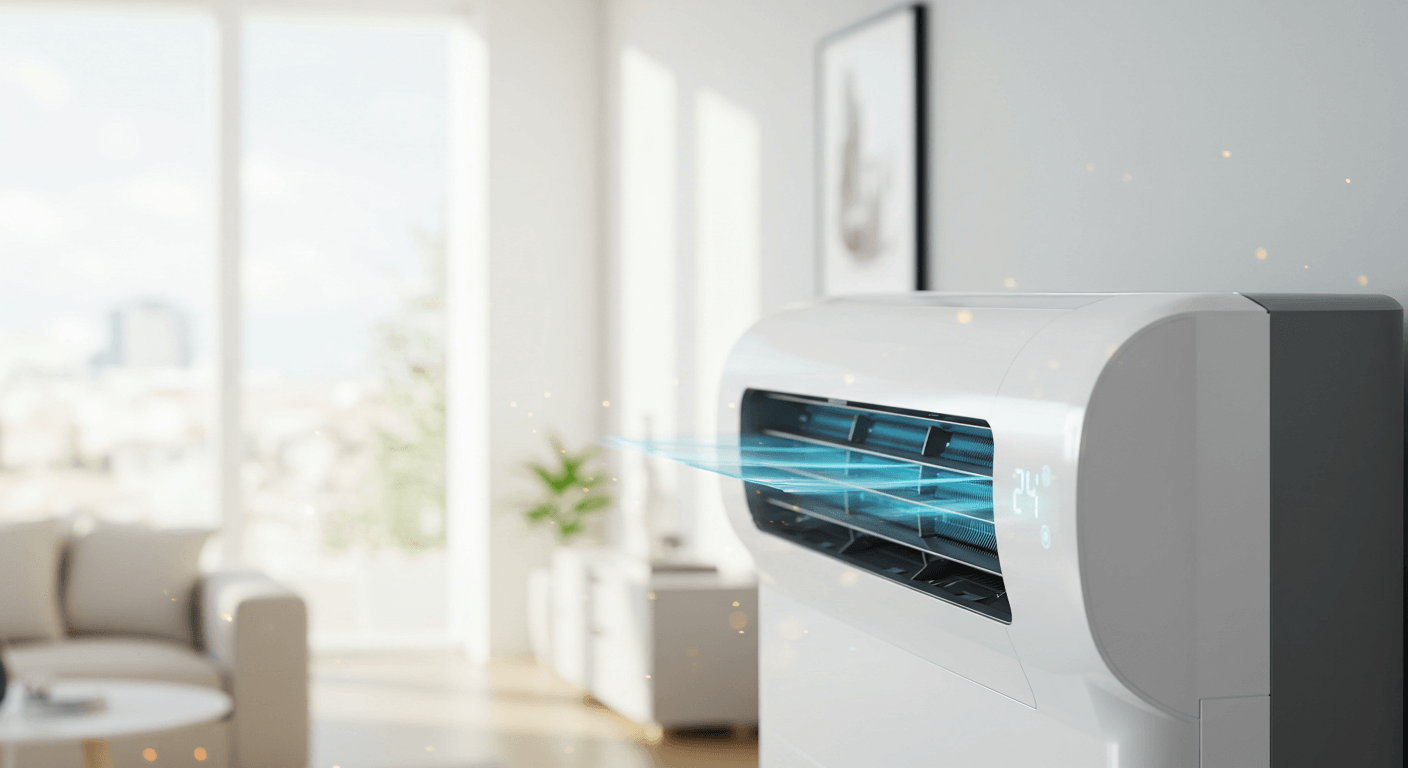
- Simple Mobility and Setup: The simplicity of installation is one of the main benefits. Hoseless air conditioners don’t need venting hoses or permanent installation, in contrast to conventional portable or window air conditioners. They are therefore perfect for transient living situations, dorm rooms, and renters. You can easily relocate most units from one area to another because they are lightweight and portable.
- Space-Saving Design: Because hoseless units are usually tiny, they can be used in offices, bedrooms, or small flats. Many models fit neatly on tables or counters, and their simple form doesn’t take up much floor space.
- Silent Operation: A lot of hoseless portable air conditioners are made to run quietly, which makes them perfect for businesses, nurseries, and bedrooms. Their low decibel levels guarantee that they won’t interfere with daily activities, work, or sleep.
- Multipurpose Features: To ensure year-round usability, several models come with extra features like fan-only modes, dehumidifiers, or air filtration. Even in situations where cooling alone is not necessary, these features improve comfort.
- Perfect for Compact Areas: Hoseless portable air conditioners are ideal for businesses, small flats, and bedrooms since they perform exceptionally well in cramped spaces or personal cooling regions. These areas can be made comfortable by their targeted cooling without the need for more costly, larger air conditioning systems.
- Energy Efficiency for Short-Term Use: Hoseless air conditioners are frequently more energy-efficient than central air conditioners or large window units for short-term or temporary cooling, especially if they are only used when necessary.
All things considered, hoseless portable air conditioners blend portability, versatility, and ease of use. They work especially well in situations where typical AC installation is problematic, in compact spaces, or for temporary use.
Cons and Limitations of Hoseless Portable Air Conditioners
Hoseless portable air conditioners have significant drawbacks despite their portability and simplicity. Before making a purchase, it is helpful to be aware of these disadvantages in order to set reasonable expectations.
- Decreased Cooling Efficiency: Hoseless air conditioners frequently find it more difficult to reduce room temperatures than conventional portable or window air conditioners because they lack a venting hose to release hot air outdoors. The room’s overall cooling capability may be diminished if the heat produced inside the unit stays there. Because of this, they work better in tiny places or for personal cooling than in large ones.
- Restricted Coverage: The majority of hoseless units are made to work in spaces that aren’t larger than 150 to 300 square feet. Especially on really hot days, trying to cool a bigger space may result in insufficient cooling and irritation.
- Potentially Higher Energy Consumption for Extended Use: While hoseless air conditioners are energy-efficient for brief periods of time, they may use more electricity than a conventional vented system when operated continually. The management of water or condensation is necessary for certain models, which increases the operational effort.
- Frequent Water Refills (Evaporative Models): Evaporative hoseless air conditioners use water to cool the air; hence, they require frequent water refills. Pads may quickly dry up in arid climates, necessitating regular replacements to preserve cooling effectiveness. For continuous use or nighttime cooling, this could be inconvenient.
- Limited Humidity Control: Some hoseless air conditioners might not be able to adequately remove excess moisture from the air, in contrast to conventional air conditioners that additionally dehumidify. In humid climates, this may make the space feel less cozy.
- Environment-Based Variable Performance: Small, dry areas are ideal for hoseless air conditioners. Large spaces or high humidity can drastically cut down on efficiency, making them less effective than advertised under specific circumstances.
Despite the ease of use and convenience of hoseless portable air conditioners, it is important to be aware of their limits. Instead of replacing conventional air conditioning solutions, they work best for personal use, small spaces, or temporary cooling.
Factors to Consider Before Buying a Hoseless Portable Air Conditioner
To make sure a hoseless portable air conditioner will satisfy your cooling demands, it’s crucial to consider a number of vital factors before making an investment. Despite their convenience, these devices are not a universally applicable option, and being aware of their limitations can assist you in making an informed choice.
- Room Size and Cooling Capacity: Small rooms or private areas are the best places for hoseless air conditioners. Verify the cooling capacity, which is frequently expressed in BTUs, and contrast it with the size of your space. Selecting a device with too little capacity could result in subpar operation and dissatisfaction.
- Noise Levels: Although a lot of hoseless air conditioners run quietly, certain types can make a lot of noise, particularly when the fan speed is increased. Think about how you plan to utilize the space offices or bedrooms could need units with lower decibel ratings to prevent interruptions to work or sleep.
- Maintenance Needs: Regular maintenance is frequently necessary for hoseless devices. Frequent pad cleaning and water refills may be necessary for evaporative devices, while occasional filter replacement may be necessary for refrigerant-based machines. You can sustain peak performance if you are aware of these needs.
- Energy Efficiency: Examine the efficiency and energy consumption ratings. Hoseless air conditioners are practical for brief or transitory usage, but extended use can raise electricity bills. To cut down on wasteful energy use, look for devices with timers or energy-saving modes.
- Extra Features: Additional features like fan-only modes, air purification, or dehumidification are included in some systems. Think about the things that are essential for your surroundings and comfort.
- Cost vs. Performance: Although hoseless air conditioners are frequently less expensive up front than conventional portable units, they might not be as effective in cooling as vented models. To prevent disappointment, set reasonable expectations for performance in relation to cost.
You can select a hoseless portable air conditioner that suits your needs in terms of space, lifestyle, and price by taking these things into account. Making a thoughtful choice guarantees that you will experience the comfort and convenience that these cutting-edge products offer.
Conclusion
Hoseless portable air conditioners are perfect for temporary living situations, offices, dorm rooms, and tenants due to their portability, simplicity of setup, and small size. Numerous types also come with other features like fans, air purification, or dehumidifiers, which increase their adaptability for year-round use.
But it’s crucial to have reasonable expectations. When compared to conventional vented portable or window air conditioners, hoseless systems often have a lower cooling capability. They work best in small spaces or for individual cooling, and their efficacy can be impacted by ambient factors, humidity levels, and room size. Refrigerant-based hoseless air conditioners might not work well in bigger areas, while evaporative types might need regular water refills.
Room size, energy efficiency, noise levels, maintenance needs, and extra features are all important factors to take into account when selecting the best hoseless portable air conditioner. By being aware of the advantages and disadvantages, you may choose a unit that will satisfy your unique requirements and prevent disappointment.
Use fans to increase airflow, keep vents and filters clean, maintain water levels and pads, and position the device strategically for best results. A hoseless portable air conditioner is a useful tool for short-term or individual use since it may offer cool, convenient cooling for small areas with the right maintenance and reasonable expectations.
The idea of a hoseless air conditioner may seem ideal, but when used properly, it can be a dependable, adaptable cooling solution that provides comfort and convenience in situations where conventional air conditioners are impractical.