
In hot, dry areas, swamp coolers, also referred to as evaporative coolers, have long been a well-liked substitute for old air conditioning. Even with its extensive use, a lot of people are still perplexed by the odd moniker: what makes it a “swamp cooler”? Answering this question and demonstrating why the name has endured for decades requires an understanding of the background, technology, and real-world applications of these cooling systems.
The phrase “swamp cooler” may sound deceptive at first. The phrase “swamp” conjures up ideas of damp, marshy places, which are not instantly associated with a home appliance that effectively cools air. But the system’s fundamental idea, evaporative cooling, is where the name comes from. In early designs, hot air would flow through pads saturated in water. A colder wind resulted from the air temperature dropping as the water drained. The term “swamp cooler” originated from the damp, swamp-like appearance this procedure produced inside the device.
Swamp coolers use a straightforward, energy-efficient method as opposed to conventional air conditioners, which depend on complicated compressors and refrigerants. Since evaporation may drastically lower air temperature in low-humidity settings, they work especially well there. To appreciate these coolers’ distinctive names and useful features, it is essential to comprehend this mechanism.
Experts in HVAC systems and house cooling will discuss how swamp coolers work, why they got their name, and why they’re a wise, eco-friendly option for particular climates in this post. By the end, you’ll understand not just why it’s called a swamp cooler, but also how it can sustainably keep your house comfortable.
What Is a Swamp Cooler?
A swamp cooler, also known as an evaporative cooler, is a device meant to cool indoor rooms using a natural and energy-efficient approach. Swamp coolers use evaporation to reduce air temperature, as opposed to conventional air conditioners that use compressors and refrigerants. They are a popular option in hot, dry locations where traditional cooling can be expensive due to their straightforward yet efficient manner.
A fan, a pump, absorbent pads, and a water reservoir are the fundamental parts of a swamp cooler. Hot, dry air is drawn through pads drenched in water to operate the device. Water evaporation absorbs heat from the air as it moves through the pads, creating cooler, moister air. This cooled air is then circulated throughout the space by a fan, resulting in a cozy indoor atmosphere.
Since dry air promotes faster evaporation, which optimizes cooling effectiveness, swamp coolers work especially well in low-humidity environments. Because they use a lot less electricity than conventional air conditioners, they are also more environmentally friendly. They are therefore a desirable choice for households looking to save energy and improve comfort.
Swamp coolers’ ease of use is another benefit. Compared to conventional AC units, they are less likely to break down, require less maintenance, and operate quietly since they have fewer mechanical components. Optimal performance and longevity are ensured by routine maintenance, such as cleaning the pads and replenishing the water reservoir.
It is simpler to comprehend why swamp coolers have been in use for so long if you know what they are and how they work. Both the mechanics and the background of this special cooling solution are reflected in its name, which comes from the marshy, moist effect produced during the chilling process.
The History Behind the Name
With roots in the early days of evaporative cooling technology, the phrase “swamp cooler” has a distinctive past. Gaining insight into this past helps explain the devices’ moniker and ongoing appeal.
Ancient societies employed water and airflow to reduce the temperature in their dwellings and public areas, a practice known as evaporative cooling. However, the contemporary swamp cooler first appeared in the United States in the early 1900s, especially in arid areas like the Southwest where conventional air conditioning was less useful and more costly.
The earliest designs were wooden boxes with mats or pads saturated in water. As the water drained, the air that was drawn through these pads cooled, creating a damp, swamp-like atmosphere inside the machine. Homeowners and technicians gave the device the nickname “swamp cooler” because of its distinctive humidity and the obvious wet pads. The term quickly gained popularity and has continued to be used even as more modern evaporative coolers have evolved with metal frames, better fans, and more effective water distribution systems.
It’s interesting to note that swamp coolers are made for arid areas, despite the name suggesting marshy environments. Because the air is already saturated with moisture, reducing evaporation, their efficacy declines in humid situations. The early experience of using water-based cooling to turn hot, dry air into a cooler, more comfortable indoor atmosphere is what gave rise to the nickname’s persistence.
The term “swamp cooler” is now widely used nationwide and is frequently confused with “evaporative cooler.” Knowing the history of the term enables homeowners and enthusiasts to appreciate the ease of use and inventiveness of this technology, as well as the background that led to its widespread use in energy-efficient home cooling.
How Swamp Coolers Work
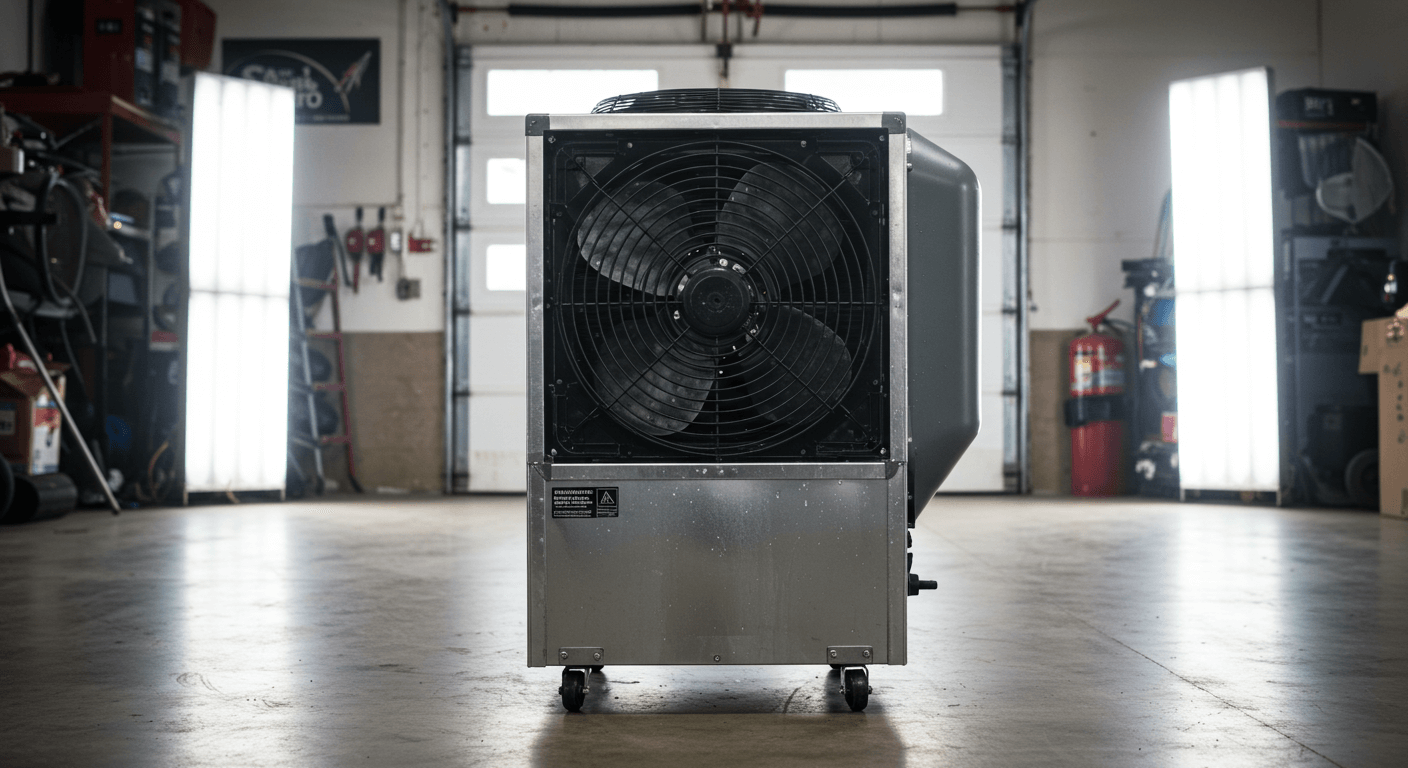
Swamp coolers, also known as evaporative coolers, are an energy-saving substitute for conventional air conditioners because they use a straightforward yet incredibly efficient method to reduce air temperature. Natural evaporation, which absorbs heat and creates cooler, more comfortable air, is the idea underlying how they work.
A swamp cooler’s primary parts are a pump, fan, absorbent cooling pads, and a water reservoir. Water is first extracted from the reservoir and dispersed uniformly among the pads. These water-soaked pads absorb heat from the air by evaporating the water when hot, dry air is drawn across them. A cold wind is produced as a result of this evaporation, which also slightly raises the humidity.
The cooled air is subsequently circulated throughout the space by a fan or blower, therefore lowering the interior temperature. Swamp coolers are quieter, more eco-friendly, and less expensive to run than conventional air conditioners because they don’t require complicated compressors or refrigerants.
Low humidity and arid areas are ideal for swamp coolers. Evaporation is less efficient and the cooling effect is lessened in humid settings. Swamp coolers are therefore particularly well-liked in areas such as the American Southwest.
Low maintenance and simplicity are other advantages. Breakdowns are less likely because the system has fewer moving parts. To guarantee peak performance, perform routine maintenance such as cleaning the pads, inspecting the pump, and refilling the water reservoir.
Knowing how swamp coolers operate demonstrates their effectiveness and explains how they came to be known as “swamp coolers.” The damp, swamp-like effect that occurs inside the pads during evaporation not only provides cooling but also explains how this unique and enduring name came to be.
Expert Insights
Specialists in house cooling and HVAC systems frequently highlight the special benefits of swamp coolers and dispel myths about their application. Experts claim that the term “swamp cooler” appropriately captures the evaporative process that occurs naturally within the device. Although the name may appear deceptive to some, it accurately describes the cooling, moist effect that results from water evaporating through the pads.
Swamp coolers work especially well in dry, arid settings with low humidity, according to HVAC experts. Under these circumstances, evaporation can drastically lower indoor temperatures without using a lot of electricity. In addition to reducing electricity costs, experts point out that this energy efficiency offers a greener substitute for conventional air conditioning systems.
Another important issue that experts stress is maintenance. Easy chores like cleaning the cooling pads, checking the fan and pump, and replenishing the water reservoir guarantee that the system runs as efficiently as possible. Ignoring these chores might shorten the unit’s lifespan and lower cooling performance.
Common misconceptions are also addressed by experts. For instance, some homeowners believe swamp coolers are only good for small areas, yet when they are the right size, contemporary models may effectively chill entire houses or businesses. They also give rooms an excessive amount of humidity, which is another fallacy. Even though they do contribute a small amount of moisture to the air, this effect is usually mild and advantageous in arid regions, enhancing comfort and air quality.
In general, experts concur that optimizing the advantages of swamp coolers requires an awareness of both their workings and their limitations. Homeowners may ensure comfort, efficiency, and a full grasp of why this distinctive cooling system gained its iconic name by consulting experts when deciding whether a swamp cooler is the best option for their cooling needs.
When and Where Swamp Coolers Are Most Effective
Evaporative coolers, sometimes referred to as swamp coolers, work best in hot, dry conditions with low humidity levels. Their cooling process relies on evaporation, which works most successfully when the air is dry. High-humidity areas reduce the quantity of evaporation and lessen the cooling impact because the air is already saturated with moisture. For this reason, swamp coolers are frequently utilized in arid regions across the globe, including the American Southwest and portions of Australia.
Because of their versatility, these coolers can be used both indoors and outside. For single rooms, open-plan living spaces, or areas with adequate ventilation, indoor swamp coolers are perfect. Because it enables warm air to move through the water-soaked pads and efficiently circulate the cooled air, proper airflow is crucial. Outdoor variants are typically used on patios, garages, or workshops, giving a refreshing breeze without the significant energy use of traditional air conditioning.
The energy efficiency of swamp coolers is an additional benefit. They are an affordable option for homes and businesses because they consume a lot less electricity than traditional air conditioners. Additionally, they can enhance comfort and lessen issues like dry skin or static electricity both of which are prevalent in arid climates, by incorporating a tiny bit of moisture into dry indoor air.
The secret to optimizing effectiveness is placement. To guarantee a constant flow of fresh air and avoid an accumulation of excess humidity within the space, experts advise placing the cooler close to an open window or door. Swamp coolers use the natural process of evaporation to produce effective, environmentally friendly cooling when properly set up and maintained. Homeowners may make well-informed decisions and ensure comfort and energy savings during hot, dry weather by knowing when and where swamp coolers operate best.
Common Myths About Swamp Coolers
Despite being in use for decades, swamp coolers, also known as evaporative coolers, are still misunderstood in a number of ways. Homeowners may use this energy-efficient cooling system more wisely if they know the truth about these fallacies.
Myth 1: Only small areas should use swamp coolers.
Modern swamp coolers, when appropriately built, may efficiently chill bigger spaces and even entire homes, whereas early units were indeed restricted to single rooms. To guarantee ideal cooling, experts stress how crucial it is to choose a unit that corresponds with the space’s square footage.
Myth 2: They make rooms excessively humid.
Although swamp coolers do provide some moisture to the air, this can actually make it more comfortable in arid conditions. Without making the space soggy or uncomfortable, the additional humidity helps avoid dry skin, discomfort, and static electricity.
Myth 3: They are outdated compared to air conditioners.
Swamp coolers have been in use for many years, but their design has greatly advanced. Modern units need less maintenance, are quieter, and are more efficient. They continue to be an affordable and environmentally responsible substitute for conventional air conditioning, particularly in arid areas.
Myth 4: Upkeep is challenging.
Swamp coolers are very easy to maintain. Checking the fan and pump, cleaning or replacing cooling pads, and replenishing the water reservoir are all routine chores. Experts emphasize that regular maintenance guarantees the cooler operates effectively and lasts longer.
Myth 5: They are ineffective
Swamp coolers are highly effective in dry climes but less efficient in locations with high humidity. Homeowners can maximize comfort and energy savings by using the system in the appropriate setting when they are aware of its limitations. By debunking these widespread misconceptions, homeowners can better understand the elements that affect swamp cooler performance and enjoy the advantages of low maintenance, natural cooling, and energy efficiency.
Conclusion
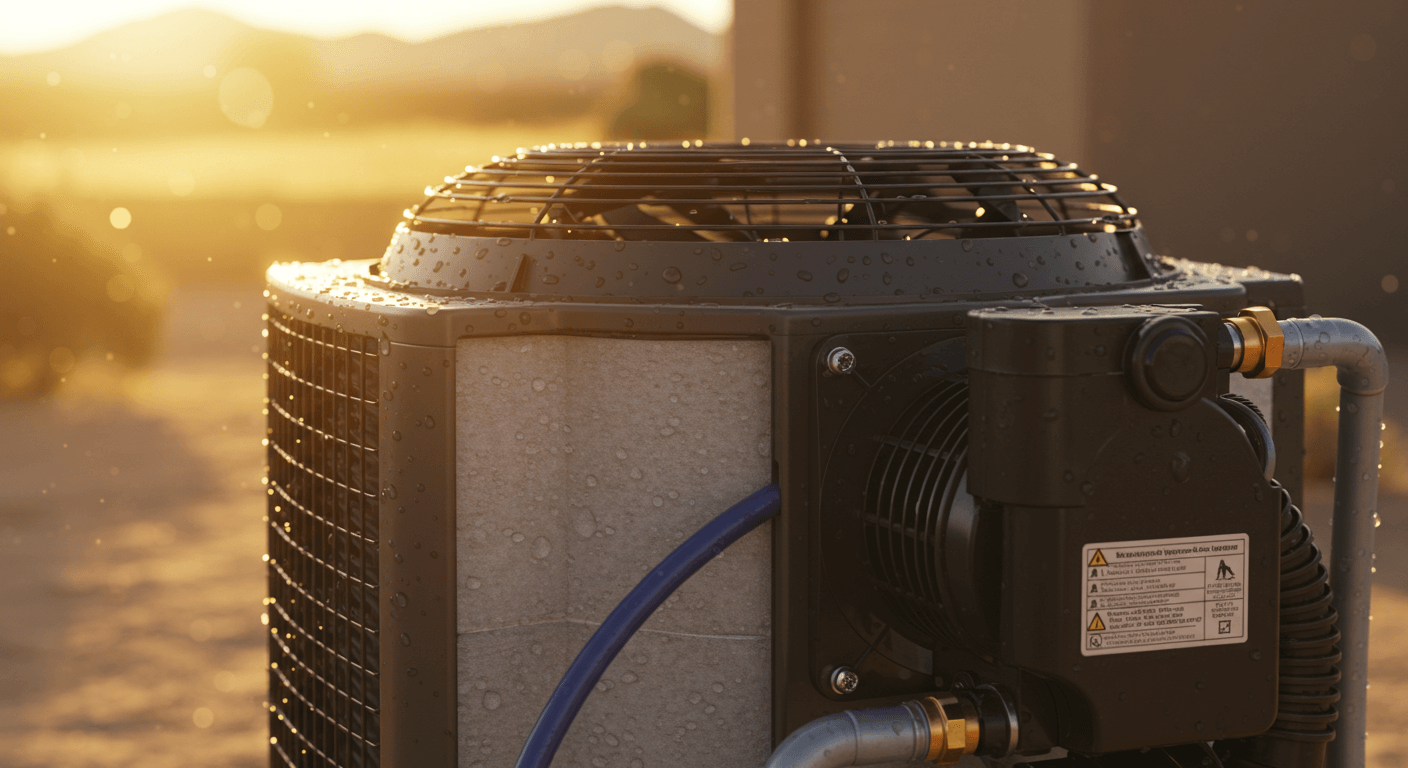
With their special evaporative cooling mechanism, swamp coolers provide a practical and environmentally responsible means of staying cool in hot weather. Knowing why these devices are referred known as “swamp coolers” helps explain how they work, using water evaporation to lower interior temperatures. Although the moniker might sound odd, it perfectly captures the natural, moisture-based cooling mechanism that distinguishes these devices from conventional air conditioners.
Experts stress that hot, dry conditions with little humidity allow for the best evaporation, which is where swamp coolers work best. Their performance can be greatly improved with careful positioning, consistent upkeep, and consideration for the surrounding environment. Reduced energy use, cheaper utility costs, and a more affordable option than traditional air conditioners are all advantages for homeowners. By encouraging constant airflow and adding mild humidity, swamp coolers also enhance indoor air quality and help reduce discomfort associated with dryness.
Homeowners can make better selections by debunking common misconceptions. Old swamp coolers don’t only work in cramped areas or produce excessively humid conditions. When utilized in appropriate climates and maintained appropriately, they continue to be a dependable and effective choice. Users can increase cooling effectiveness and prolong the life of their unit by following practical advice, such as maintaining clean pads, keeping an eye on water levels, making sure there is adequate ventilation, and adding fans.
Swamp coolers combine affordability, energy efficiency, and natural cooling. They are a useful addition to any home since they offer a comfortable, practical, and ecological heating solution for people who live in dry areas. Homeowners can experience maximum comfort and understand why these devices have gained their famous moniker in the first place by being aware of their mechanism, advantages, and restrictions.