
Cold plunge therapy has exploded in popularity, transitioning from elite athletic facilities and luxury spas to home bathrooms and backyards across the country. Celebrities like Joe Rogan, Tony Robbins, and countless professional athletes have championed the practice, sparking widespread interest in cold water immersion. What was once an inconvenient ritual involving bags of ice and bathtubs has evolved into sophisticated home systems with precise temperature control. Whether you’re an athlete seeking faster recovery, a biohacker optimizing performance, or simply someone interested in the proven health benefits, this guide will help you navigate the world of home cold plunge tubs and find the perfect solution for your needs and budget.
What is Cold Plunge Therapy?
The Science Behind Cold Water Immersion
Cold plunge therapy, also called cold water immersion or cryotherapy, involves submerging your body in water typically maintained between 39°F and 55°F for brief periods, usually 2-10 minutes. When your body encounters cold water, it triggers a cascade of physiological responses designed to maintain core temperature and protect vital organs.
The cold exposure causes blood vessels to constrict, reducing blood flow to extremities and directing it toward your core. This vasoconstriction followed by vasodilation when you exit the cold water creates a pumping effect that flushes metabolic waste from tissues and delivers fresh, oxygenated blood throughout your body. The shock of cold water also triggers the release of norepinephrine, a hormone and neurotransmitter that increases alertness, focus, and mood.
Health Benefits of Cold Plunge Therapy
Research supports numerous benefits of regular cold water immersion. Athletes widely use cold plunges to reduce inflammation and muscle soreness after intense training, with studies showing accelerated recovery compared to passive rest. The practice improves circulation as blood vessels repeatedly constrict and dilate, potentially supporting cardiovascular health over time.
Mental health benefits are equally impressive. Cold exposure increases production of endorphins and norepinephrine, often resulting in improved mood, reduced anxiety, and enhanced mental clarity. Many practitioners report feeling energized and focused for hours after a cold plunge. Sleep quality often improves as well, particularly when cold plunges are done earlier in the day.
The metabolic effects include activation of brown fat, which burns calories to generate heat, potentially supporting weight management goals. Regular cold exposure also appears to strengthen immune function, with some studies showing reduced frequency of common illnesses. Finally, the practice builds mental resilience as you learn to remain calm and controlled in uncomfortable situations, a skill that transfers to daily life challenges.
Who Should (and Shouldn’t) Use Cold Plunge Therapy
While cold plunge therapy offers benefits for many people, it’s not appropriate for everyone. Athletes, fitness enthusiasts, and those seeking natural wellness practices generally benefit most. However, individuals with cardiovascular conditions, uncontrolled high blood pressure, or history of heart problems should consult their doctor before starting cold plunge therapy. Pregnant women should also seek medical guidance. People with Raynaud’s disease or extreme cold sensitivity may find the practice uncomfortable or counterproductive.
Anyone new to cold plunge therapy should start gradually with shorter durations and warmer temperatures, progressively building tolerance. Never plunge alone during your first sessions, and always listen to your body’s signals.
Types of Home Cold Plunge Tubs
Dedicated Cold Plunge Tubs
These purpose-built systems represent the premium option for home cold therapy. They include built-in chiller units that automatically maintain your desired temperature, typically ranging from 37°F to 55°F. Models like the Plunge, Cold Plunge, and Morozko Forge offer plug-and-play convenience with sophisticated filtration systems that keep water clean for months between changes.
These units range from $3,000 for entry-level models to $15,000+ for premium systems with advanced features like app control, ozone sanitation, and superior insulation. The investment provides consistent temperatures, minimal maintenance, and professional aesthetics. Most can be installed indoors or outdoors and require only a standard 110V outlet, though some larger models need 220V circuits.
Portable Ice Bath Tubs
For budget-conscious users or those wanting flexibility, portable cold plunge tubs offer an accessible entry point. These include inflatable options like the Ice Barrel Tub or collapsible fabric models that fold for storage. Prices range from $100 to $500, making them attractive for experimenting with cold therapy before committing to a permanent installation.
The trade-off is convenience. You’ll need to manually add ice to achieve cold temperatures, with most sessions requiring 20-40 pounds of ice depending on starting water temperature and desired coldness. Water must be drained after each use or every few uses, and there’s no built-in filtration. However, for occasional use or those with space constraints, portable tubs provide a practical solution.
DIY Solutions
Creative individuals have found ways to create cold plunge systems at minimal cost. Chest freezer conversions are popular, where you add a temperature controller to a used chest freezer, allowing it to chill water to your desired temperature. Total cost can be under $500 including the freezer and controller. Stock tanks used for livestock watering also work well, especially when paired with a separate chiller unit or generous amounts of ice.
Even your existing bathtub can serve as a cold plunge with enough ice, though the irregular shape and lack of insulation make this inefficient for regular use. DIY solutions require more effort and may lack the aesthetic appeal of dedicated systems, but they prove cold plunge therapy doesn’t require a massive budget.
Outdoor Cold Plunge Pools
For those with outdoor space and larger budgets, purpose-built cold plunge pools offer a spa-like experience. These can be in-ground installations or above-ground models designed to integrate with existing pool systems or operate independently. Prices start around $5,000 and can exceed $20,000 for custom installations with features like built-in seating, lighting, and sophisticated climate control.
Outdoor models work year-round in most climates, actually performing more efficiently in cold weather when less chilling power is needed. They typically offer more space for multiple users and can become an attractive backyard feature. However, they require more complex installation, professional electrical work, and may need permits depending on local regulations.
Key Features to Consider
Temperature Control and Chilling System
The quality of the chilling system dramatically affects your experience. Premium chillers can drop water temperature 1-2 degrees per hour and maintain precise temperatures regardless of ambient conditions. Less powerful systems might struggle in hot weather or take a full day to reach desired temperatures from tap water.
Look for models with digital temperature displays and programmable settings. Energy-efficient compressors reduce operating costs, while quiet operation matters if the unit will be indoors or near living spaces. Some systems offer app connectivity, allowing you to preheat or cool before your session.
Size and Capacity
Cold plunge tubs range from compact single-person barrels to spacious multi-person pools. For effective cold therapy, you need adequate depth to submerge your body up to your neck while seated, typically requiring at least 30 inches of water depth. Diameter or length should allow you to sit comfortably without feeling cramped.
Single-person tubs typically hold 40-80 gallons, while larger models can exceed 150 gallons. Consider your available space, whether you’ll use it alone or with family members, and how much water you’re willing to heat and cool. Larger volumes cost more to chill and maintain but offer more comfortable immersion.
Filtration and Water Quality
Built-in filtration systems are essential for dedicated cold plunge tubs if you want to avoid frequent water changes. Quality filters remove debris and contaminants, while ozone or UV sanitation systems kill bacteria without harsh chemicals. Premium systems can keep water clean for 3-6 months between changes with minimal chemical treatment.
Budget models and portable tubs typically lack filtration, requiring complete water changes every few uses. This increases water consumption and setup time but reduces initial cost and complexity. Consider how often you’ll use the tub and whether the convenience of long-lasting water justifies the higher investment.
Insulation and Energy Efficiency
Superior insulation dramatically reduces operating costs by minimizing heat gain from the environment. Well-insulated tubs maintain temperature with the chiller running only periodically, while poorly insulated models constantly fight ambient heat. Insulated covers are equally important, preventing heat transfer when the tub isn’t in use.
Check the insulation thickness specification and read reviews about actual operating costs. Some users report electric bills increasing by just $20-30 monthly for well-insulated units, while others see $100+ increases with inefficient systems. In hot climates, insulation becomes even more critical.
Build Quality and Materials
Construction materials affect durability, aesthetics, and maintenance. Rotomolded plastic offers excellent durability and insulation at moderate cost. Stainless steel provides premium aesthetics and easy cleaning but conducts heat unless well-insulated. Acrylic looks attractive and resists staining but can scratch over time. Fiberglass is durable and moldable into various shapes but may discolor.
Weather resistance matters for outdoor installations. Check warranties carefully—quality manufacturers offer 2-5 years on the tub structure and 1-2 years on mechanical components. Longer warranties indicate manufacturer confidence in longevity.
Top Cold Plunge Tubs for Home Use
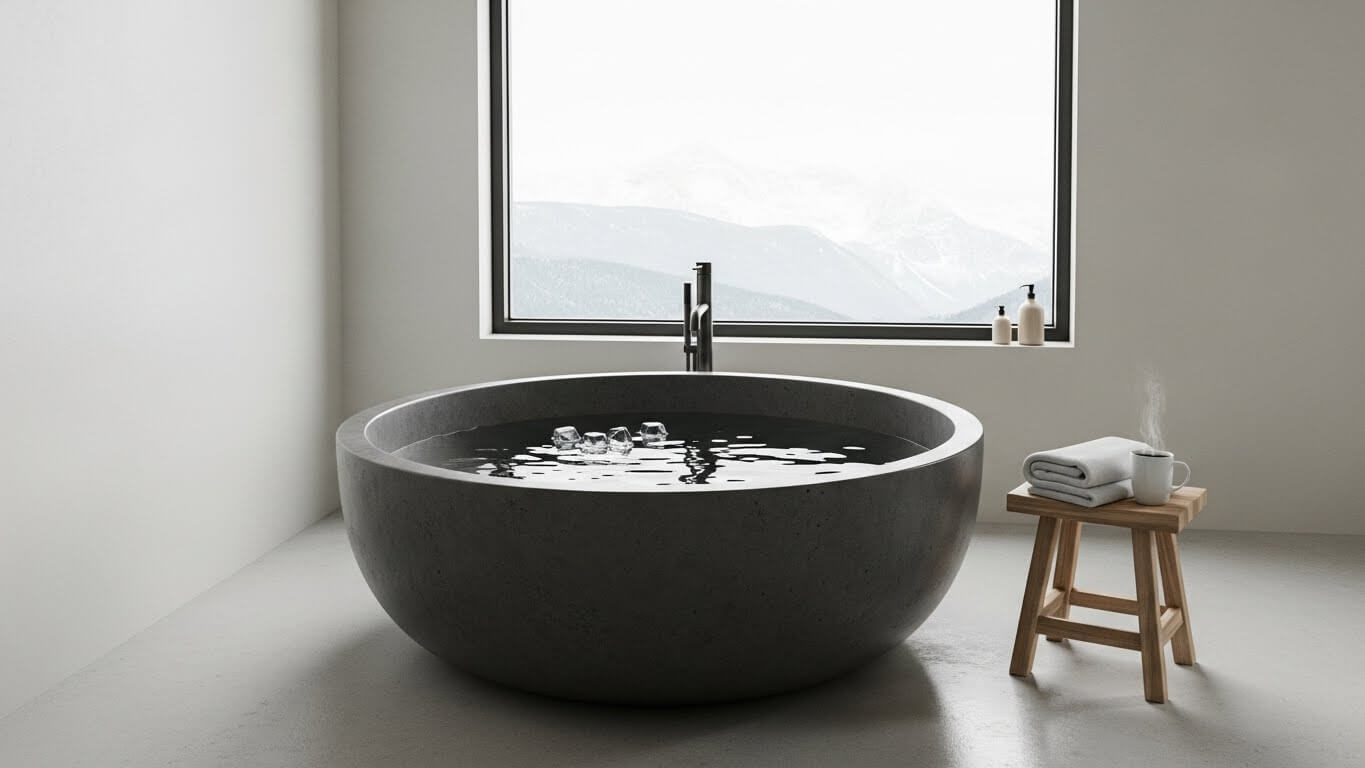
Best Overall: The Plunge ($4,990)
The Plunge has become the standard by which other cold plunge tubs are measured. This sleek, modern tub holds 80 gallons and uses a powerful chiller to reach 39°F, maintaining that temperature even in hot weather. The digital control panel is intuitive, and the built-in filtration with ozone sanitation keeps water clean for months.
Installation is straightforward with a standard 110V outlet, and the durable construction handles both indoor and outdoor placement. At roughly $5,000, it’s not cheap, but the combination of performance, aesthetics, and reliability makes it the top choice for serious cold plunge enthusiasts. Best for dedicated users who want a premium experience and don’t mind the investment.
Best Value: Sun Home Saunas Ice Bath Tub ($1,299)
This mid-range option delivers impressive performance at half the price of premium models. The insulated design maintains cold temperatures reasonably well, though the chiller is less powerful than high-end units. It holds 65 gallons, providing adequate space for most users, and includes basic filtration.
Setup requires some assembly, and the aesthetic is more utilitarian than luxurious. However, for users wanting consistent cold plunges without premium pricing, this represents excellent value. It’s ideal for those committed to regular cold therapy but working with moderate budgets.
Best Budget Option: Ice Barrel ($1,200)
For those wanting to test cold plunge therapy without major investment, the Ice Barrel offers a unique vertical design that requires less water than traditional tubs. You’ll need to add ice for each session, but the insulated construction minimizes ice requirements compared to non-insulated alternatives.
The compact footprint suits small spaces, and the drain valve makes water changes manageable. It’s not as convenient as chilled systems, but at this price point, it provides authentic cold plunge experiences for budget-conscious users.
Best Premium: Morozko Forge ($15,000+)
For those wanting the absolute best, the Morozko Forge delivers unmatched performance. This ice bath tub can reach temperatures as low as 33°F and maintains them effortlessly. The commercial-grade construction, advanced water treatment system, and premium aesthetics justify the steep price for dedicated practitioners.
Multiple users can enjoy consistent temperatures, and the robust chiller handles any climate. It’s overkill for casual users but perfect for athletes, biohackers, or families wanting a long-term wellness investment.
Best Portable: Brute Cold Plunge Pod ($129)
This collapsible fabric tub folds flat for storage, making it ideal for those with space constraints or who want portability. Set it up in minutes, fill with water and ice, and you have a functional cold plunge. After use, drain it and fold it away.
You’ll need significant ice for each session, and durability doesn’t match permanent installations. However, for travelers, apartment dwellers, or those experimenting with cold therapy, it’s an incredibly practical solution at minimal cost.
Cost Breakdown and Budgeting
Initial Investment
Entry-level options starting around $100-$500 include portable tubs and DIY solutions. These require manual ice addition and frequent water changes but provide authentic cold plunge experiences. Mid-range systems from $1,200-$5,000 offer better convenience with built-in chillers and filtration, suitable for regular users who want consistency without luxury pricing.
Premium installations from $5,000-$15,000+ deliver the ultimate experience with powerful chillers, superior materials, advanced features, and professional aesthetics. The right price point depends on your commitment level, usage frequency, and budget flexibility.
Operating Costs
Electricity for chillers typically adds $20-$80 monthly depending on insulation quality, ambient temperature, and usage. Water treatment supplies including filters and sanitizers cost $10-30 monthly for filtered systems. Portable tubs using ice can cost $50-$150 monthly if used regularly, depending on ice prices in your area.
Annual maintenance expenses including filter replacements, chemical treatments, and potential repairs typically run $100-$300. Over five years, a $5,000 system with $40 monthly operating costs totals around $7,400, while a portable tub at $300 initial cost plus $100 monthly for ice totals $6,300.
Hidden Costs to Consider
Professional electrical work may be required for dedicated circuits, potentially costing $200-$1,000. Plumbing modifications for drainage add $100-$500. Installation costs for outdoor models can reach $1,000-$3,000 including foundation preparation. Accessories like quality covers, steps, and water testing kits add another $100-$500.
Permit fees vary by location but can reach several hundred dollars for permanent installations. Factor these into your budget to avoid surprises.
Maintenance and Best Practices
Daily Maintenance
Check and adjust temperature settings as needed, especially during seasonal transitions. Use the cover when not in use to minimize energy consumption and prevent debris from entering. Quick visual inspection ensures everything is functioning properly.
Weekly and Monthly Maintenance
Test water chemistry weekly if using a filtered system, adjusting sanitizer levels as needed. Clean or replace filters monthly or per manufacturer recommendations. Wipe down surfaces to prevent buildup. Check drain plugs and seals for wear.
For portable tubs, drain and thoroughly clean after 3-5 uses to prevent bacterial growth. Inspect for damage, especially seams and valves.
Safety Guidelines and Best Practices
Start with warmer temperatures around 55-60°F for 2-3 minutes, gradually working toward colder temperatures and longer durations over several weeks. Never exceed 10-15 minutes per session, especially at temperatures below 45°F. Focus on controlled breathing; slow, deep breaths help manage the cold shock response.
Never plunge alone during initial sessions until you know how your body responds. Have a plan for quickly exiting if needed. If you experience extreme discomfort, dizziness, numbness, or unusual symptoms, exit immediately and warm up gradually. Consult a healthcare provider before starting cold plunge therapy, especially if you have any health conditions.
Frequently Asked Questions
How cold should a cold plunge be?
Most practitioners use temperatures between 45-55°F, with 50°F being a popular sweet spot. Advanced users may go as low as 39°F. Start warmer (around 60°F) and progressively lower the temperature as your tolerance builds.
How long should I stay in a cold plunge?
Beginners should start with 1-2 minutes and gradually work up to 5-10 minutes. Most benefits occur within the first 3-5 minutes. Longer isn’t necessarily better, and staying too long can be counterproductive or dangerous.
How often should I do cold plunge therapy?
Most people benefit from 2-5 sessions per week. Daily use is common among enthusiasts, but even 2-3 times weekly provides significant benefits. Consistency matters more than frequency.
Do I need to change the water frequently?
Systems with proper filtration and sanitation can maintain clean water for 3-6 months. Portable tubs without filtration should be drained every 3-5 uses or weekly, whichever comes first.
Are cold plunges safe for everyone?
No. People with cardiovascular conditions, uncontrolled blood pressure, pregnancy, or certain medical conditions should consult their doctor first. When in doubt, seek medical advice before starting.
Conclusion
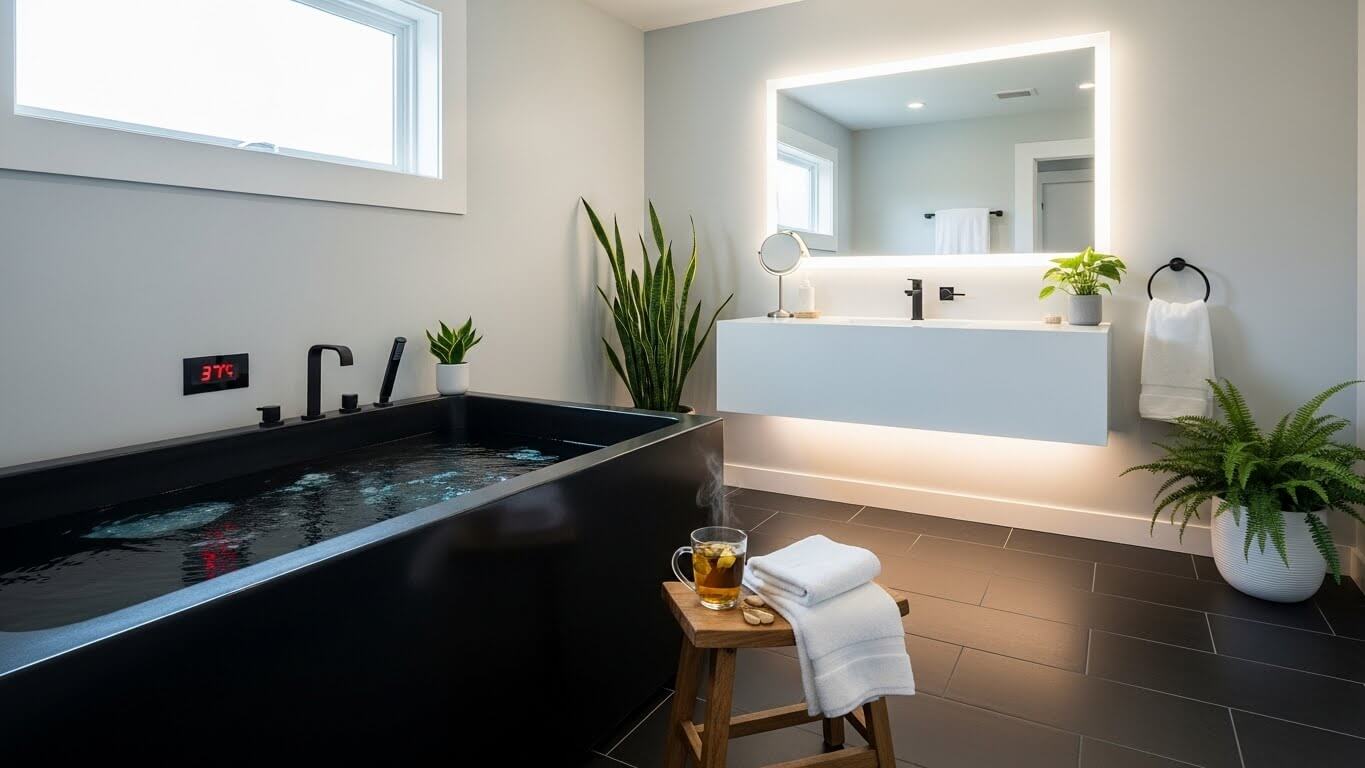
Cold plunge therapy tubs for home use have made this powerful wellness practice accessible to anyone committed to improving their health and performance. Whether you invest in a premium system with automated temperature control or start with a budget-friendly portable option, consistent cold exposure can deliver remarkable benefits for physical recovery, mental clarity, and overall wellbeing.
Consider your budget, available space, and how frequently you’ll realistically use the tub. Dedicated users benefit from investing in quality systems with built-in chillers and filtration, while occasional users may prefer portable or DIY solutions. Remember that the best cold plunge tub is the one you’ll actually use consistently.
Start conservatively with temperature and duration, listen to your body, and consult healthcare providers if you have any concerns. With the right approach and equipment, cold plunge therapy can become a transformative part of your wellness routine. The initial shock gives way to invigoration, and what once seemed impossibly cold becomes a daily practice you look forward to.