
One of the most crucial pieces of equipment in any house is an air conditioner, which keeps the air inside comfortable during the sweltering summer months. Air conditioners have a limited lifespan and steadily lose performance over time, just like any other mechanical equipment. An AC unit may need to be replaced rather than have another expensive repair done when it begins to struggle to keep your house cool, energy bills increase, or strange noises start to occur.
When to replace an old air conditioner is a question that many homeowners have. Relying on a malfunctioning or inefficient unit can cause discomfort, increased utility bills, and possibly even damage to your house. By identifying the early warning indicators, you can prevent emergency replacements during the hottest summer months and make an informed choice before the system fails entirely.
The seven main indicators that your air conditioner might need to be replaced are highlighted in this guide. These indicators, which range from increased energy costs and frequent repairs to subpar cooling, odd noises, and obvious wear and tear, assist homeowners in deciding when to make the switch to a new, more energy-efficient system. We’ll also look at how outdated units might not have the energy-saving features of newer models and how problems with moisture or high humidity can impact the comfort and air quality of your house.
By being aware of these warning indicators, you can choose a replacement unit that suits your needs and take preventative measures to keep your home cool and cozy. Early air conditioner evaluation guarantees dependable operation, reduced energy consumption, and a healthier indoor environment.
This guide gives you the information you need to determine whether a new air conditioner is the best option for your house, regardless of whether your current system is struggling or exhibiting several warning signs.
7 Signs Your Air Conditioner Needs to Be Replaced
Age of the Air Conditioner
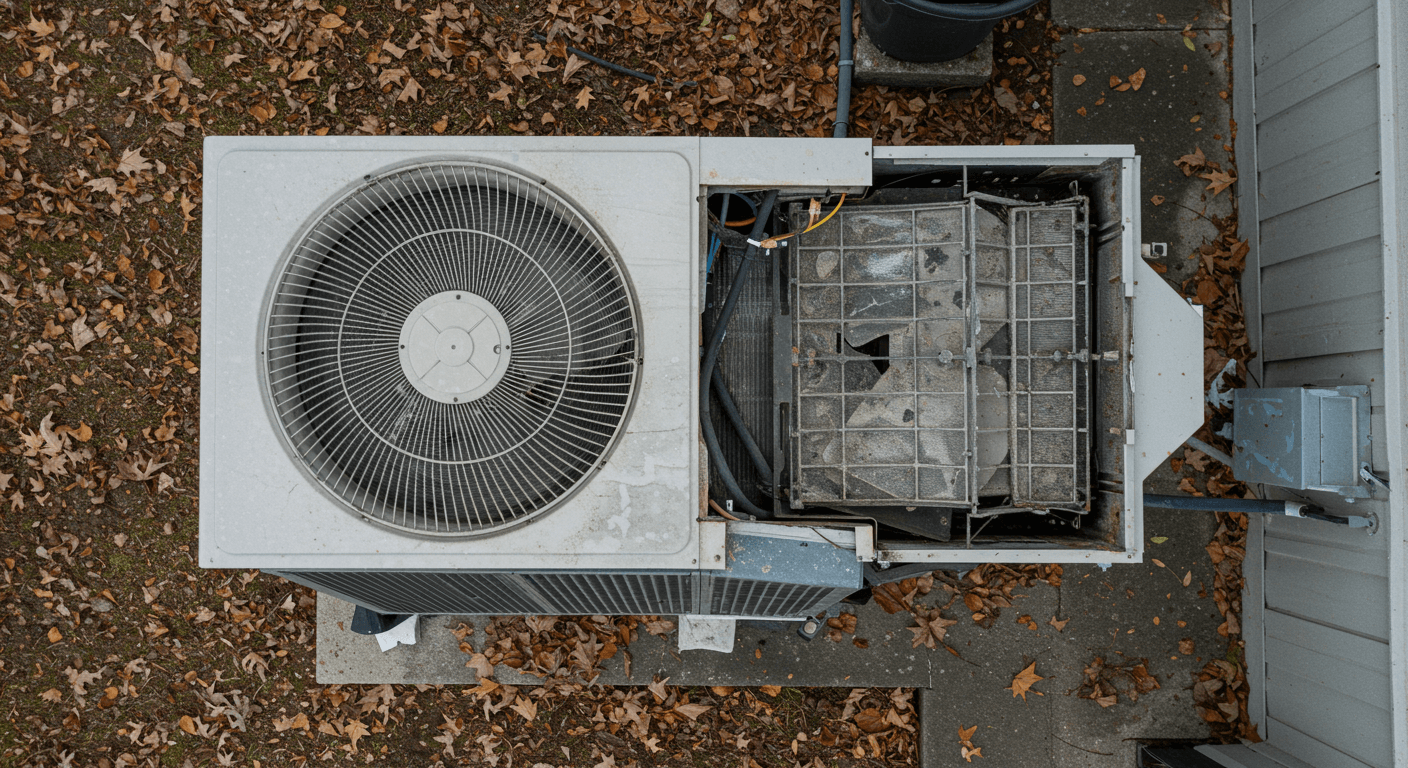
The age of an air conditioner is one of the most important clues that it might need to be replaced. The typical lifespan of a residential air conditioner is between 10 and 15 years. After this time, parts like motors, coils, and compressors start to deteriorate, which lowers overall dependability and efficiency. An older system is more likely to break down and have trouble maintaining steady cooling, even with routine maintenance.
As an air conditioner ages, its cooling performance gradually declines. Older units may take longer to reach the desired temperature, produce uneven airflow, or fail to maintain consistent comfort throughout the home. These issues are often accompanied by higher energy bills, as the system works harder to compensate for declining efficiency.
Technological advancements also mean that newer models are typically more energy-efficient and environmentally friendly. Older air conditioners may use outdated refrigerants, consume more electricity, and lack modern features such as programmable thermostats, smart connectivity, or energy-saving modes. Upgrading to a newer unit not only improves cooling performance but also helps reduce energy consumption and long-term operating costs.
Even if your air conditioner is still functioning, reaching the end of its expected lifespan is a strong signal to evaluate whether replacement is the most cost-effective option. Continuing to invest in repairs for an ageing system can become more expensive than installing a new, reliable unit that delivers better performance, energy efficiency, and comfort.
By considering the age of your air conditioner along with other warning signs, homeowners can make an informed decision about whether it’s time to invest in a replacement, ensuring a cool and comfortable home year-round.
Rising Energy Bills
A noticeable increase in your energy bills can be a key indicator that your air conditioner is struggling and may need replacement. Over time, wear and tear on components such as compressors, fans, and coils can reduce an AC unit’s efficiency, forcing it to work harder to maintain the desired temperature. This extra effort consumes more electricity, leading to higher utility costs.
If you notice that your energy bills are steadily climbing without a corresponding increase in usage or seasonal temperatures, it could be a sign that your air conditioner is losing efficiency. Older units, in particular, tend to be less energy-efficient than modern models, which are designed with advanced technology and higher SEER (Seasonal Energy Efficiency Ratio) ratings.
Rising energy bills can also result from refrigerant leaks, clogged filters, or dirty coils. While some of these issues can be addressed through maintenance, recurring high energy costs may indicate that the system is simply too old or inefficient to perform optimally. At this point, replacement is often more cost-effective than continuing to repair an aging unit.
Investing in a newer air conditioner not only restores cooling performance but can also significantly reduce electricity consumption. Modern units use advanced compressors, improved airflow design, and energy-saving modes, all of which contribute to lower monthly bills.
Monitoring your energy usage over time helps identify when an air conditioner is no longer operating efficiently. By addressing rising energy costs early, you can avoid unexpected breakdowns and ensure consistent comfort in your home while potentially saving money in the long run.
Frequent Repairs
Another clear sign that your air conditioner may need to be replaced is frequent repairs. Older units often require multiple service calls each season as components like compressors, fans, or electrical controls wear down. While occasional maintenance is normal, recurring issues can indicate that the system is reaching the end of its useful life.
Repeated repairs not only disrupt your comfort but can also become costly over time. Spending significant amounts on fixing an ageing AC may surpass the cost of installing a new, more efficient unit. Homeowners often face a choice: continue repairing a system that is increasingly unreliable or invest in a replacement that provides consistent performance and energy savings.
Frequent breakdowns can also reduce confidence in your air conditioner during critical periods, such as extreme heat waves. A system that fails repeatedly may not only leave your home uncomfortable but could also cause secondary issues, such as increased humidity or potential damage to other household components.
It’s important to consider the cost-to-benefit ratio when evaluating an older AC unit. If you’re repairing the same components multiple times in a short span, it’s often a sign that replacement is the more practical, long-term solution. Modern air conditioners are designed with improved durability, advanced energy efficiency, and smarter controls, which can reduce the likelihood of recurring problems.
By tracking repair history and evaluating the ongoing reliability of your AC, homeowners can make an informed decision about replacement. Proactive investment in a new unit not only restores dependable cooling but also reduces stress, unexpected costs, and energy waste associated with older, frequently failing systems.
Poor Cooling Performance
One of the most obvious signs that your air conditioner may need to be replaced is poor cooling performance. If your home struggles to reach the desired temperature or certain rooms remain warm while others are cooler, it’s a strong indication that the AC unit is no longer functioning efficiently.
Several factors can contribute to reduced cooling performance. Over time, components such as the compressor, coils, or refrigerant system can degrade, limiting the unit’s ability to remove heat from your home. Refrigerant leaks or low refrigerant levels can also compromise cooling efficiency, causing the system to work harder without achieving the desired results.
Older air conditioners may also lack the capacity to cool modern homes effectively. Changes in insulation, window efficiency, or home layout can mean that an older system is undersized or outdated, resulting in uneven airflow and inconsistent temperatures.
Other signs of poor performance include longer cooling cycles, frequent cycling on and off, and rooms that never feel comfortably cool even when the thermostat is set appropriately. These issues can lead to higher energy consumption, increased wear on the system, and reduced indoor comfort.
While some minor issues can be addressed with maintenance, persistent cooling problems—especially in conjunction with other warning signs like frequent repairs or rising energy bills—often indicate that the unit is nearing the end of its lifespan. Replacing the air conditioner ensures consistent, reliable cooling, improved energy efficiency, and a more comfortable home environment.
By paying attention to cooling performance, homeowners can proactively identify when replacement is necessary and avoid discomfort during the hottest months of the year.
Strange Noises or Odors
Unusual noises or odors coming from your air conditioner are often a clear indication that the system may be failing and could require replacement. Air conditioners are designed to operate quietly, so any grinding, rattling, buzzing, or squealing sounds should be taken seriously.
Noises can signal a variety of issues, including worn-out motors, loose components, or failing compressors. While some problems can be repaired, persistent or escalating sounds often indicate that the unit is reaching the end of its operational life. Ignoring these warning signs can lead to more serious mechanical failures or complete system breakdowns.
Odors are another red flag. A musty smell may indicate mold or mildew growth within the ductwork or AC components, often caused by excess moisture and poor airflow. A burning or electrical smell can signal overheating, faulty wiring, or motor issues, which pose a safety risk. Both types of odors should be addressed promptly, as they not only affect comfort but can also impact indoor air quality and health.
Even with repairs, older units that produce frequent noises or odors are generally less reliable and may continue to degrade over time. Upgrading to a new air conditioner provides a quieter, safer, and more efficient solution, ensuring consistent cooling and eliminating potential health risks associated with mold or electrical problems.
By paying attention to these warning signs, homeowners can make informed decisions about replacement before a minor problem escalates into a costly emergency. A well-maintained, modern air conditioner not only operates quietly but also enhances comfort and safety throughout the home.
Excessive Humidity or Moisture Issues
A properly functioning air conditioner not only cools your home but also removes excess humidity from the air. If you notice that your home feels unusually humid, sticky, or damp despite running the AC, it may be a sign that the system is failing and could need replacement.
Excess humidity can result from several issues. Over time, coils, drainage lines, and condensate pans can become clogged or worn, preventing the unit from effectively dehumidifying the air. In older systems, the AC may simply lack the capacity to manage moisture in larger or more humid spaces.
Persistent humidity can lead to mold growth, musty odors, and water damage, posing both health risks and structural problems in your home. Moisture can also reduce overall comfort, making rooms feel warmer than they are, which causes the AC to work harder and increases energy consumption.
If your air conditioner is unable to maintain proper humidity levels despite maintenance and regular cleaning, replacement may be the most practical solution. Modern air conditioners are equipped with improved humidity control and energy-efficient technology, which helps maintain a comfortable and healthy indoor environment.
By monitoring humidity and addressing excessive moisture promptly, homeowners can protect their home from damage while ensuring optimal comfort. Replacing an ageing AC unit with a modern system restores both cooling and dehumidifying efficiency, providing consistent indoor comfort throughout the year.
Conclusion
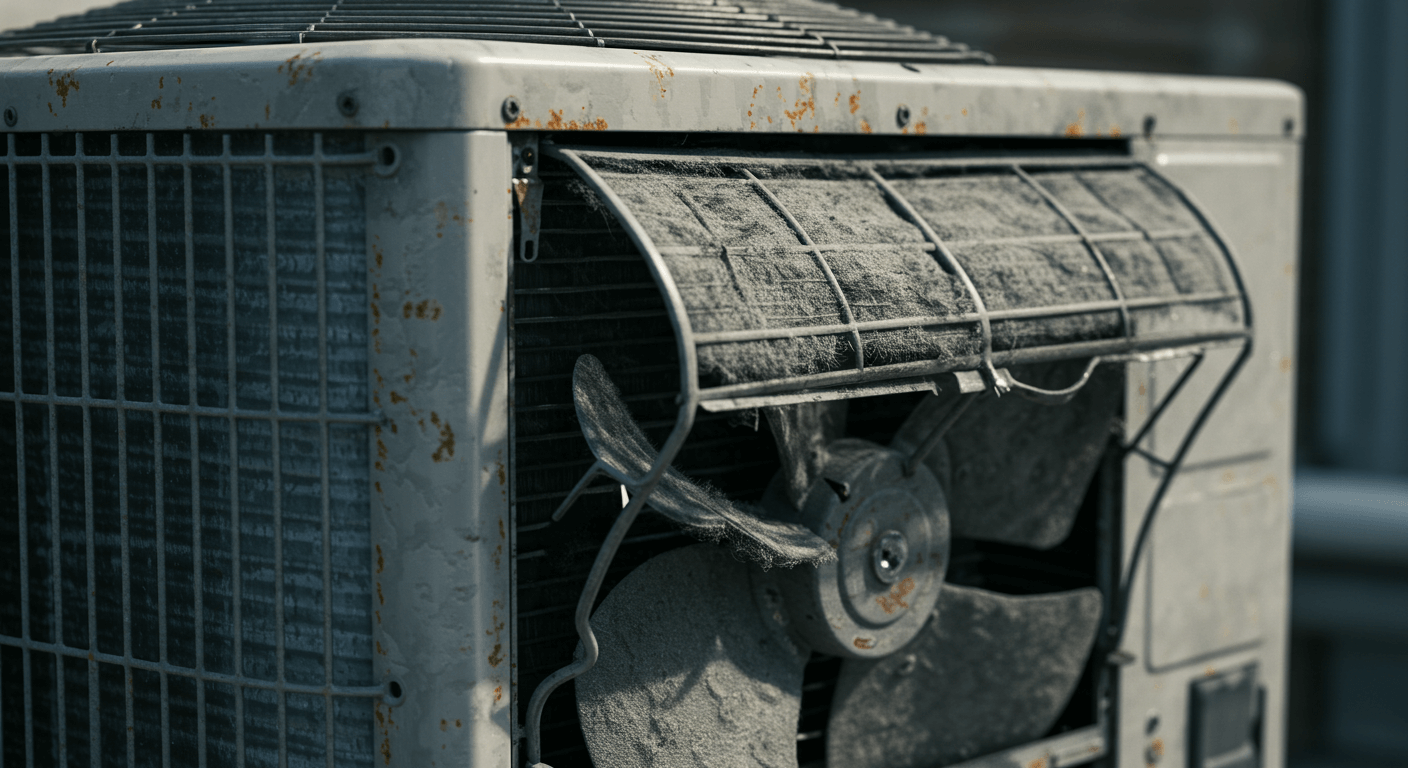
Recognizing the signs that your air conditioner needs to be replaced is crucial for maintaining a comfortable and energy-efficient home. Ageing units often exhibit multiple warning signals, including rising energy bills, frequent repairs, poor cooling performance, strange noises, odors, and excessive humidity. Even visible wear and outdated technology can indicate that your AC is nearing the end of its useful life.
While some minor issues can be addressed through maintenance or repairs, persistent problems often suggest that replacement is the more practical and cost-effective solution. Modern air conditioners offer enhanced energy efficiency, improved cooling performance, quieter operation, and advanced features such as humidity control and smart thermostats. Upgrading your unit not only restores reliable comfort but also reduces long-term utility costs and minimizes the risk of emergency breakdowns during peak summer heat.
Homeowners should evaluate their AC system based on its age, performance, and maintenance history. By taking a proactive approach, you can avoid unexpected disruptions, protect your home’s indoor air quality, and ensure consistent comfort year-round. Paying attention to these seven signs allows you to make an informed decision about replacement, ensuring your home remains cool, safe, and energy-efficient. A timely upgrade to a modern air conditioner provides peace of mind, improved performance, and reliable cooling for years to come.