
Particularly in the sweltering summer months, portable air coolers have grown in popularity as an energy-efficient substitute for conventional air conditioners. These little devices are perfect for offices, small spaces, and outdoor areas because they evaporatively provide cool, pleasant air. However, routine maintenance is necessary to maintain a portable air cooler operating at its peak efficiency. Without the right maintenance, the unit’s lifespan may be shortened, performance may suffer, and energy usage may rise.
Many people are surprised to learn how simple it is to maintain a portable air cooler. Your cooler may operate well and provide steady cooling power when needed with a little cleaning, prompt part replacement, and appropriate water management. Frequent maintenance lowers the need for expensive repairs or premature replacements, improves air quality by limiting the growth of mold and bacteria, and saves money.
You will discover useful and simple maintenance advice in this article to get the most out of your portable air cooler. Every important procedure will be covered, from checking the fan and motor to cleaning the cooling pads and water tank. You can also keep your cooler in great shape all year long by following tips on how to store it properly and solve common problems.
You may enjoy cool, fresh air for longer by adhering to these maintenance guidelines, regardless of how long you’ve owned a portable air cooler. Frequent maintenance significantly improves your unit’s longevity and efficiency, providing you with comfort on hot days. Discover how to keep your portable air cooler in top condition and make sure it operates without a hitch whenever the temperature rises by reading on.
Regular Cleaning Tips for Portable Air Coolers
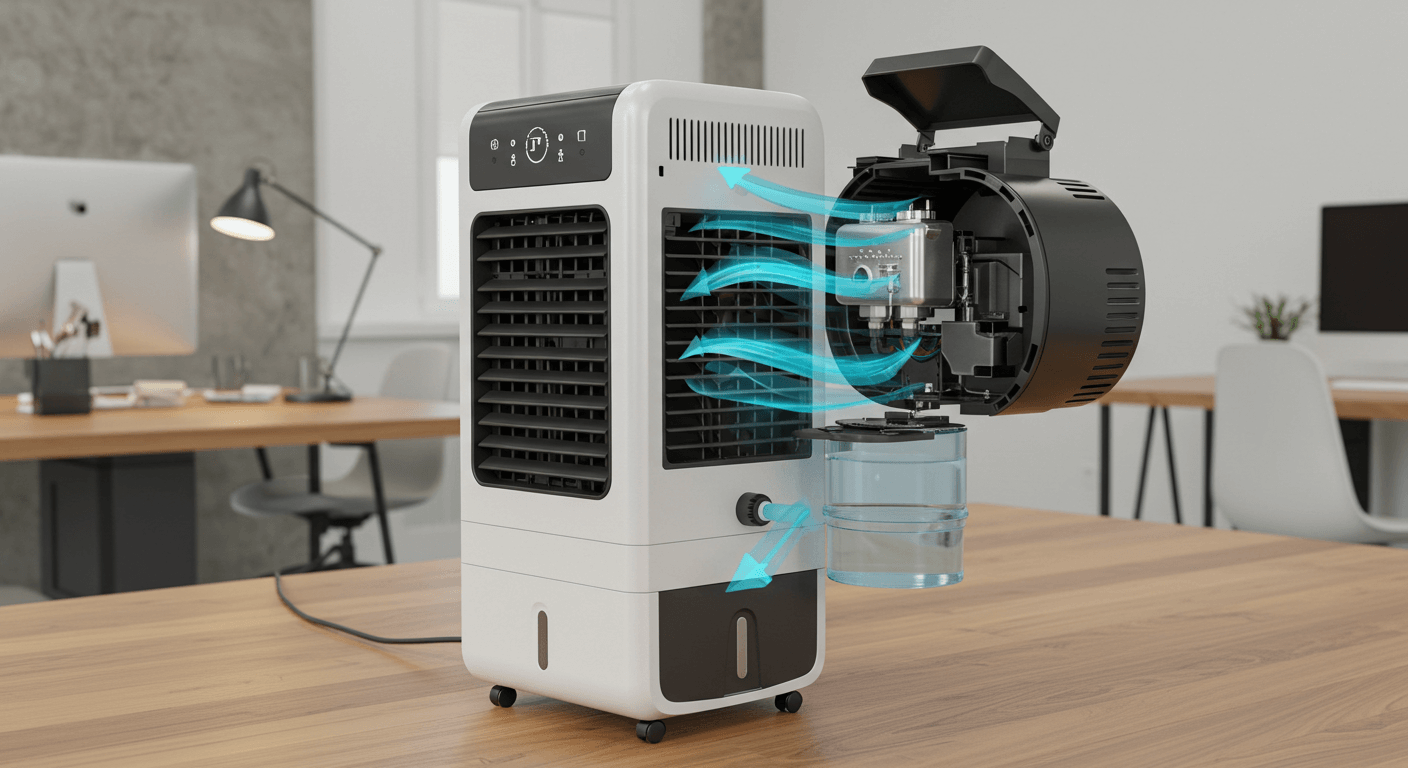
Keeping a portable air cooler clean is one of the most crucial measures to guarantee it functions properly and lasts longer. The water tank, cooling pads, filters, and other parts are susceptible to rapid accumulation of dust, filth, and mineral deposits. This accumulation impairs airflow, lowers cooling effectiveness, and may even result in offensive odors or health problems. Frequent cleaning maintains the air as safe to breathe and enhances performance.
How Often Should You Clean Your Portable Air Cooler?
During periods of high usage, clean your portable air cooler every one to two weeks for best results. Cleaning the cooler once a month is adequate if it is not used much. Keep an eye on the water quality in your area; hard water can lead to mineral accumulation more quickly and necessitate more frequent cleaning.
Step-by-Step Cleaning Process
Switch off and disconnect the cooler: Always unplug the device from the power source and turn it off before cleaning. By taking this precaution, electrical dangers and unit damage are avoided.
- Empty the Water Tank: Remove any last bits of water. Mold, mildew, and bacterial growth can result from stagnant water, which lowers air quality and reduces cooling effectiveness.
- Clean the Water Tank: Wipe the inside of the water tank with a soft cloth or sponge soaked in white vinegar or a light detergent. Vinegar is a great disinfectant and mineral deposit remover. Rinse the tank well with fresh water to get rid of any remaining soap or vinegar.
- Clean or Replace Cooling Pads: Cooling pads must be cleaned or replaced because evaporative cooling depends on them. They may accumulate mineral deposits and dust over time. Rinse the pads under running water after removing them in accordance with the instructions on your cooler. Steer clear of harsh chemicals since they can harm the pads. To preserve optimal cooling effectiveness, replace the pads if they appear worn out or damaged.
- Clean External Surfaces and Air Filters: If your air cooler has an air filter, take it out and give it a regular wash. Filter dust restricts airflow and puts stress on the motor. Before reinstalling, give it a thorough cleaning with water or a vacuum and let it dry fully. To get rid of dust and grime, use a moist cloth to wipe the cooler’s exterior.
- Dry Every Component: Before reassembling, make sure every component is dry, paying particular attention to the cooling pads and water tank. Electrical components may be harmed or mold may form if there is too much moisture left within the cooler.
Recommended Cleaning Products and Tools
- Mild dish soap or detergent
- White vinegar (for mineral deposits and disinfecting)
- Soft cloth or sponge
- Soft brush (for scrubbing cooling pads gently)
- Vacuum cleaner (for air filters)
How to Change or Replace Cooling Pads
One essential part of a portable air cooler is the cooling pads. They are essential to the overall effectiveness of the unit since they absorb water and aid in cooling the air as it moves through. Dust, minerals, and other debris can clog cooling pads over time, decreasing their capacity to cool efficiently. Your air cooler will operate at its peak efficiency if you know when and how to replace these pads.
Signs It’s Time to Replace Cooling Pads
- Decreased Cooling Effectiveness: The pads may be blocked or worn out if the air cooler isn’t cooling as well as it used to.
- Visible Damage: The pads need to be replaced if they have holes, tears, or other wear indicators.
- Unpleasant Odors: Mold or mildew are frequently present in pads that start to smell musty.
- Mineral buildup or discolouration: White or crusty deposits indicate mineral buildup that cannot be removed by cleaning alone.
Steps to Replace Cooling Pads Safely
- Turn Off and Unplug the Cooler: Before beginning any repairs, make sure the device is turned off and unplugged.
- Remove the Old Cooling Pads: To find out how to access and remove the cooling pads, consult the documentation that came with your air cooler. The majority of units feature a cover or panel that lifts open or slides off.
- Clean the Pad Housing Area: Clean the internal space where the pads are located before putting in fresh ones. The replacement pads fit and function better when dust and debris are removed.
- Install the New Cooling Pads: Securely insert the replacement pads into the housing. Make sure there are no spaces between them and that air can flow freely.
- Reassemble the Unit and Test: Re-plug the unit after closing the panel. To make sure everything functions well and the air flows freely, run the cooler.
Tips to Extend Cooling Pad Life
- To lessen mineral accumulation, use filtered, clean water.
- As directed by the manufacturer, clean pads on a regular basis.
- To prevent moisture damage, store the cooler correctly during off-season times.
- Pads shouldn’t be treated with strong chemicals.
You may invest in the longevity and functionality of your portable air cooler by changing the cooling pads as needed. During hot days, your room will remain comfortable thanks to clean, new pads that provide optimal cooling power and enhanced air quality.
Checking and Maintaining the Fan and Motor
A portable air cooler’s fan and motor are its key components; they circulate air and produce the cooling effect. A longer-lasting device, quieter operation, and effective airflow are guaranteed when these parts are kept in good working order. Poor cooling, strange noises, and even mechanical failure might result from neglecting the fan and motor.
Signs of Fan or Motor Issues
- Diminished Airflow: The fan blades may be dusty or broken, or the motor may be having trouble, if the airflow seems weaker than usual.
- Strange Sounds: Buzzing, rattling, or grinding noises frequently point to a fan or motor bearing issue.
- Overheating: A motor that overheats while running may be malfunctioning, blocked, or misaligned.
Maintenance Tips for the Fan and Motor
- Regular Cleaning: Overheating can occur when dust and debris build up on motor vents and fan blades, obstructing airflow. Regularly give these parts a gentle cleaning with a soft brush or compressed air. Before cleaning, always unplug the cooler.
- Lubricate if Applicable: There are motors or fan bearings on certain portable air coolers that need to be lubricated periodically. See if this applies to your cooler by consulting the handbook, then use the appropriate lubricants and follow the suggested procedures.
- Inspect Fan Blades: Examine the fan blades for damage, warping, or cracks. Unbalance brought on by damaged blades may result in noise and ineffective airflow. If required, swap out the blades.
- Ensure Proper Installation: Verify that the motor and fan are mounted firmly and that all of the nuts and screws are tight. Noise and vibration might be caused by loose parts.
When to Get Expert Assistance
It’s necessary to call a qualified expert if you continue to experience problems like overheating, strange noises, or decreased performance even after doing simple cleaning and maintenance. Trying to fix complicated motor issues without the right knowledge can lead to more harm.
Storage Tips for Portable Air Coolers
It’s crucial to store your portable air cooler properly during the off-season to prevent damage and guarantee optimal performance when you need it again. Proper storage of the cooler helps avoid corrosion, mold growth, and mechanical problems brought on by dust and moisture.
How to Prepare Your Air Cooler for Storage
- Clean Thoroughly Before Storing: As outlined in the cleaning section, clean the cooling pads, air filters, water tank, and external surfaces. Mold and disagreeable odors are less likely to occur when all dirt, mineral deposits, and moisture are removed before storage.
- Drain All Water Completely: To prevent standing water, which encourages the growth of mold and rust, make sure the water tank is completely drained. Allow the tank to air dry entirely by leaving it open or vented.
- Remove or Dry Cooling Pads and Filters: Before storing, try to take off the cooling pads and filters, give them a thorough cleaning, and let them dry completely. Mildew can grow on damp pads or filters that are left inside the cooler.
- Store in a Dry, Cool Place: The portable air cooler should be placed away from dust, moisture, and direct sunlight. The components of the unit are better preserved in a dry, temperature-controlled environment.
- Cover the Unit: To shield the cooler from dust and to keep moisture from building up, use a permeable cloth or cover.
Additional Storage Tips
- Check the Manufacturer’s Instructions: Certain models might include detachable parts or special storing advice.
- Inspect Before Next Use: Before using the cooler, make sure all parts are free of dust, mold, or damage by bringing it out of storage and cleaning it again if needed.
- Avoid Using Plastic Bags: Keeping the unit in airtight plastic bags can cause moisture to be retained and promote the growth of mold.
Conclusion
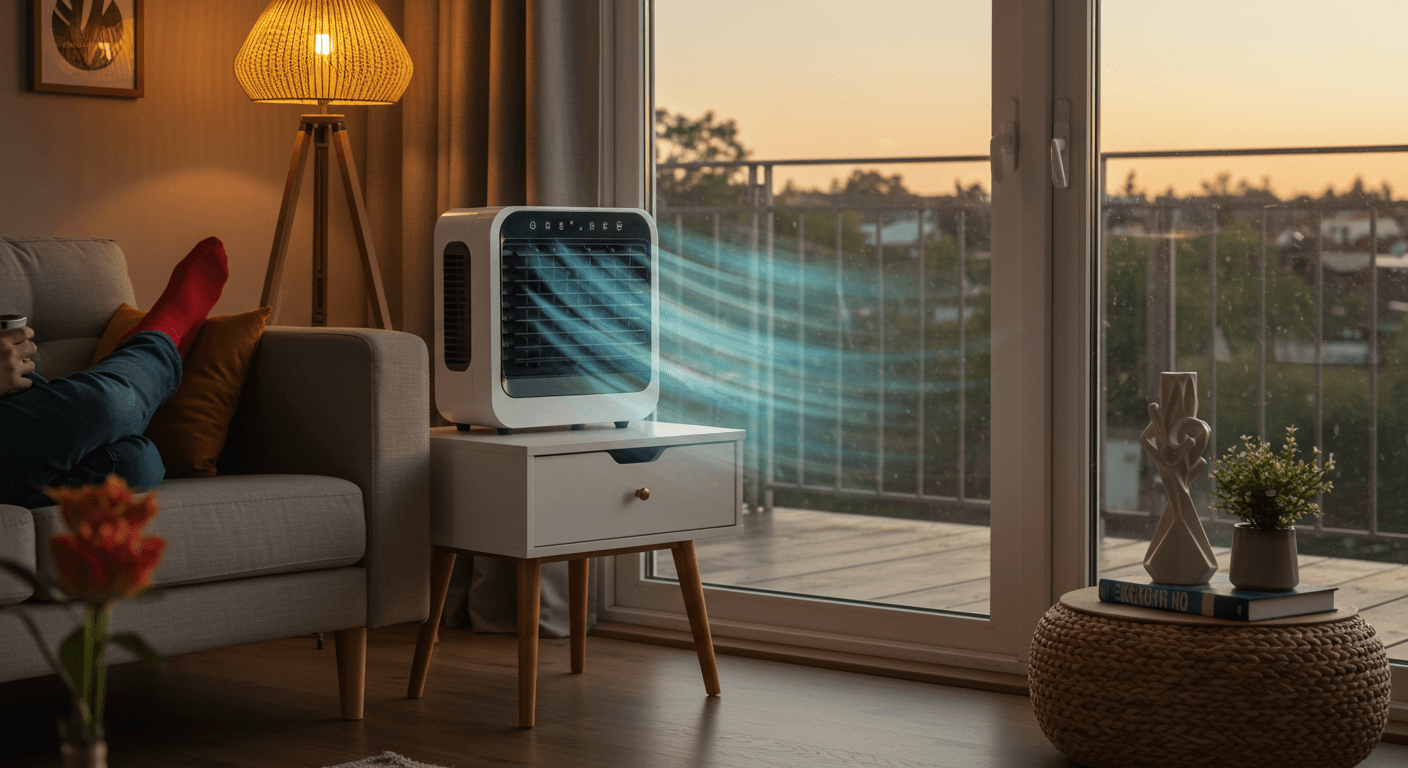
To keep your portable air cooler operating smoothly and effectively, regular maintenance is essential. The unit can consistently deliver cool, refreshing air even on the warmest days if basic cleaning procedures are followed, water is managed appropriately, and parts like cooling pads are replaced when necessary. Maintaining the cooler’s fan and motor and storing it properly during the off-season months can help it last longer and save expensive repairs.
By avoiding mold, germs, and offensive odors, maintaining your air cooler not only increases its cooling efficiency but also improves the quality of the air indoors. A properly kept cooler uses less energy, which lowers power costs while maintaining a comfortable environment.
Establishing a routine maintenance program can have a significant impact, regardless of whether this is your first portable air cooler or an older model. Making small, regular efforts will guarantee that the equipment performs at its best and gives you the most return on your investment.
To enjoy cool, clean air throughout the season, keep these guidelines in mind. Maintaining your portable air cooler on a regular basis keeps it dependable and efficient, ready to provide comfort when needed.